2026 Top Plate Exchanger Manufacturers How to Choose?
Choosing among the 2026 top Plate Exchanger manufacturers requires more than comparing catalog prices. A reliable decision begins with process reality. Fluid type, temperature range, flow rate, pressure, fouling risk, and cleaning access must be checked together. A stainless-steel unit may suit clean water, yet fail quickly with abrasive slurry or chloride-rich media. Small details matter. Gasket material, plate thickness, port size, and spare-plate availability can shape operating costs for years.
R. K. Shah, a widely recognized heat-transfer specialist, emphasized a practical design principle: “A good heat exchanger design balances thermal performance, pressure drop, and cost.” This balance should guide every manufacturer comparison. Look for proven thermal data, documented pressure testing, hygienic or industrial certifications, and field references from similar applications. Ask whether the supplier provides simulation support, installation guidance, maintenance training, and response times for replacement parts. Marketing claims are not enough.
No ranking is perfect. Manufacturer strength depends on the application, not only global reputation. A premium brand can still be unsuitable when its plates, gaskets, or service network do not match local conditions. Buyers should request performance guarantees, inspect technical drawings, and compare lifecycle cost rather than purchase price alone. A useful evaluation also includes energy consumption, cleaning frequency, downtime exposure, and future capacity needs. The best Plate Exchanger manufacturer is the one that explains limitations clearly, supports its figures with evidence, and remains dependable after delivery. Oversights happen, even in careful projects. That is why independent verification remains essential.
What Is a Plate Heat Exchanger and How Does It Work?
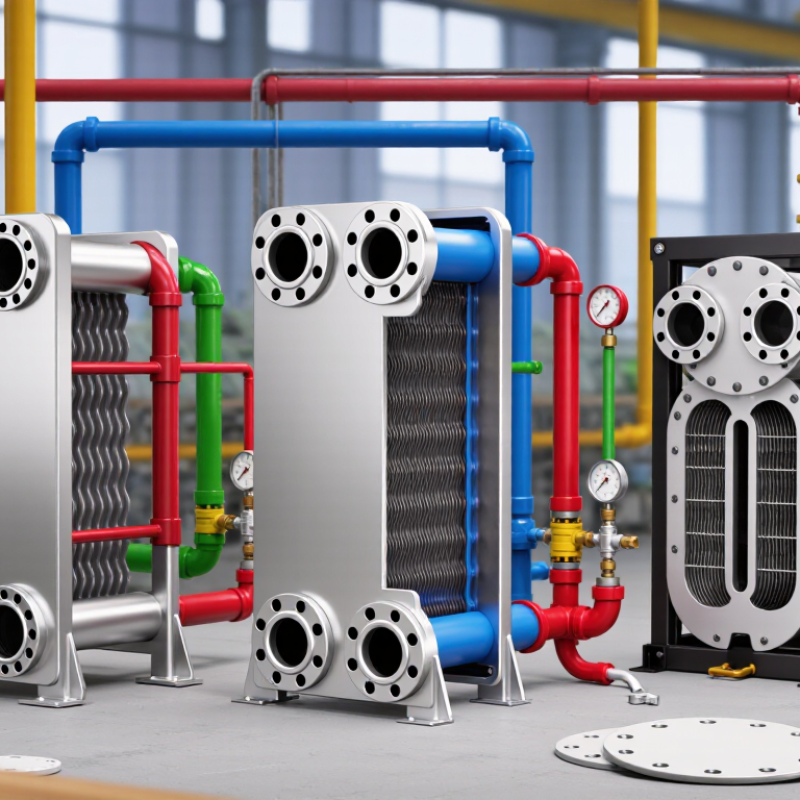
A plate heat exchanger transfers heat between two fluids without allowing them to mix. It uses thin, corrugated metal plates arranged in a sealed frame. Gaskets guide each fluid through alternating channels. One fluid carries heat, while the other receives it. Heat passes through the plate wall. The fluids usually move in opposite directions. This countercurrent arrangement improves thermal performance.
The corrugations create turbulence as the fluids flow. Turbulence spreads heat across the plate surface and reduces stagnant zones. However, it also creates pressure loss. Engineers must balance heat transfer, pump capacity, temperature difference, and cleaning needs. For example, hot water may enter at 90°C and leave at 70°C, while cooler water gains useful heat on the other side. The actual result depends on flow rate and plate design. Small errors matter.
In practical projects, fouling can reduce performance faster than expected. Minerals may form deposits, especially in hard water systems. Gasket condition also deserves regular inspection. A suitable manufacturer should provide clear thermal calculations, pressure-test records, material certificates, and service guidance. Ask how the unit performs under real operating conditions, not only ideal laboratory data. The first selection is rarely perfect. Reviewing field measurements after installation can reveal assumptions that need correction.
Key Types of Plate Heat Exchangers and Their Industrial Uses
2026 Top Plate Exchanger Manufacturers: How to Choose?
Plate heat exchangers transfer heat through thin, corrugated plates. Their compact design saves floor space and reduces fluid volume. Gasketed models suit food processing, district heating, and chemical service. Operators can open them for inspection and plate cleaning. Brazed units handle smaller duties with fewer leak paths. They fit heat pumps, hydraulic systems, and refrigeration equipment. Welded and semi-welded types serve high-temperature, high-pressure, or aggressive-fluid applications. They are harder to open.
Industrial demand is closely linked to energy efficiency. The U.S. Department of Energy’s Industrial Decarbonization Roadmap reports that process heating represents about 51% of manufacturing energy use. Better heat recovery can therefore reduce fuel consumption before expanding production capacity. The International Energy Agency also identifies industrial efficiency as a major pathway for lowering energy demand. These figures support careful exchanger selection, not automatic equipment replacement.
Sizing should begin with heat load, inlet temperatures, flow rates, pressure limits, and allowable pressure drop. Fluid viscosity and fouling matter too. A dairy line may need hygienic plates and frequent cleaning access. A refinery circuit may require stronger materials and welded construction. Check corrosion data, gasket compatibility, inspection records, and relevant pressure standards. The lowest quotation can be a false economy. In practice, fouling assumptions are often too optimistic. A reliable choice leaves maintenance space, spare capacity, and room for imperfect operating conditions.
Top Plate Heat Exchanger Manufacturers to Consider in 2026
Choosing among the top plate heat exchanger manufacturers to consider in 2026 requires more than comparing catalog prices. A reliable supplier should explain heat duty, flow rates, pressure limits, materials, and fouling risks clearly. Ask for a sizing report, not a confident guess. In plant reviews, small errors in fluid data often create large performance problems.
Look for documented testing, traceable materials, and technicians who can support commissioning. Gasket selection deserves close attention, especially with oils, cleaning chemicals, or frequent temperature changes. The frame should allow safe plate removal within the available maintenance space. This detail is easy to miss. Request pressure-test records, thermal calculations, spare-part availability, and service response times. Independent references from similar facilities can reveal more than polished brochures.
Digital monitoring is becoming useful in 2026, but sensors cannot repair poor design. Choose suppliers that can interpret pressure-drop changes and recommend cleaning intervals. Ask how they handle performance decline after installation. A good manufacturer will discuss limitations openly. That builds trust. Still, no selection is perfect. Water quality may change, operators may miss inspections, and predicted efficiency may vary by season. Compare ownership costs, including energy, cleaning, downtime, and replacement parts, before approving the purchase.
How to Compare Plate Exchanger Manufacturers and Product Quality
2026 Top Plate Exchanger Manufacturers How to Choose?
When comparing plate exchanger manufacturers, start with verified performance, not catalogue promises.
The 2024 Global Status Report for Buildings and Construction states that buildings consumed 32% of global energy in 2023. Small efficiency losses deserve attention. Ask each manufacturer for tested heat-transfer capacity, pressure drop, leakage limits, and fouling assumptions. These figures should match recognized methods, such as AHRI 400, rather than informal laboratory claims. A useful comparison includes the same inlet temperatures, flow rates, fluid properties, and operating pressure.
Look closely at construction details.
Stainless steel grade, plate thickness, pressing depth, gasket material, and frame rigidity affect service life. Request material certificates and inspection records. For a food plant, cleanability and gasket compatibility may matter more than maximum thermal output. For district heating, corrosion resistance and pressure stability may dominate. The IEA’s Energy Efficiency 2023 report links better equipment performance with lower energy demand, but real savings depend on maintenance and control settings. That is often overlooked.
Visit an operating installation if possible.
Inspect plate surfaces, gasket seating, vibration, and cleaning intervals. Ask how quickly replacement parts arrive. A low purchase price can become expensive after repeated shutdowns. I would also compare three-year lifecycle cost, not only the first quotation.
One weakness remains: published efficiency data rarely reflects heavily fouled fluids. That gap deserves careful questioning.
How to Choose the Right Plate Heat Exchanger for Your Application
Choosing a plate heat exchanger starts with the process, not the catalogue. A site engineer should record fluid chemistry, inlet temperatures, flow rates, pressure limits, and allowable pressure drop. Fouling matters. Sugar syrup, cooling water, and glycol behave differently inside narrow channels. The IEA’s Energy Efficiency 2023 report says industry uses about 37% of global final energy. Small thermal losses can become expensive over long operating hours.
For sizing, compare required duty, not just nominal area. Use Q = m × Cp × ΔT, then check the logarithmic mean temperature difference. Keep a realistic fouling factor. Oversizing may reduce velocity and encourage deposits. Undersizing can create unstable outlet temperatures. The U.S. Department of Energy’s Process Heating Technology Assessment notes that heat recovery can reduce process-energy demand. Savings still depend on operating conditions. A 5°C approach temperature may look attractive, yet it can require more plates, tighter control, and higher cleaning effort.
Material selection needs evidence. Stainless steel suits many water services, while chlorides may require a more resistant alloy. Confirm gasket compatibility at peak temperature, not average temperature. Ask for pressure-test records, thermal data, spare-gasket availability, and cleaning guidance. EN 13445 or local pressure-equipment rules may guide verification. I have learned that the cheapest exchanger is rarely the cheapest asset. Vendor calculations can be imperfect. Request assumptions in writing, then test them against winter start-up, a dirty filter, and reduced flow. Choose equipment that remains controllable when the plant is not ideal.