2026 Top Trends in Brazed Plate Heat Exchanger Technology?
In recent years, the Brazed Plate Heat Exchanger has gained significant attention in various industries. This technology is known for its efficiency and compact design. It plays a crucial role in heating, cooling, and heat recovery processes.
As we approach 2026, emerging trends in Brazed Plate Heat Exchanger technology are becoming increasingly important. Industry experts are predicting innovations that will enhance performance, reduce costs, and improve sustainability. These developments could impact applications in sectors like HVAC, refrigeration, and renewable energy.
However, challenges remain. The increasing demand for efficiency must be balanced with manufacturing complexities. There is a need for ongoing research and thoughtful design improvements. Stakeholders must consider material selection and manufacturing methods carefully. Embracing these trends while addressing potential issues will be key for businesses moving forward in this evolving field.

Emerging Innovations in Brazed Plate Heat Exchangers for 2026
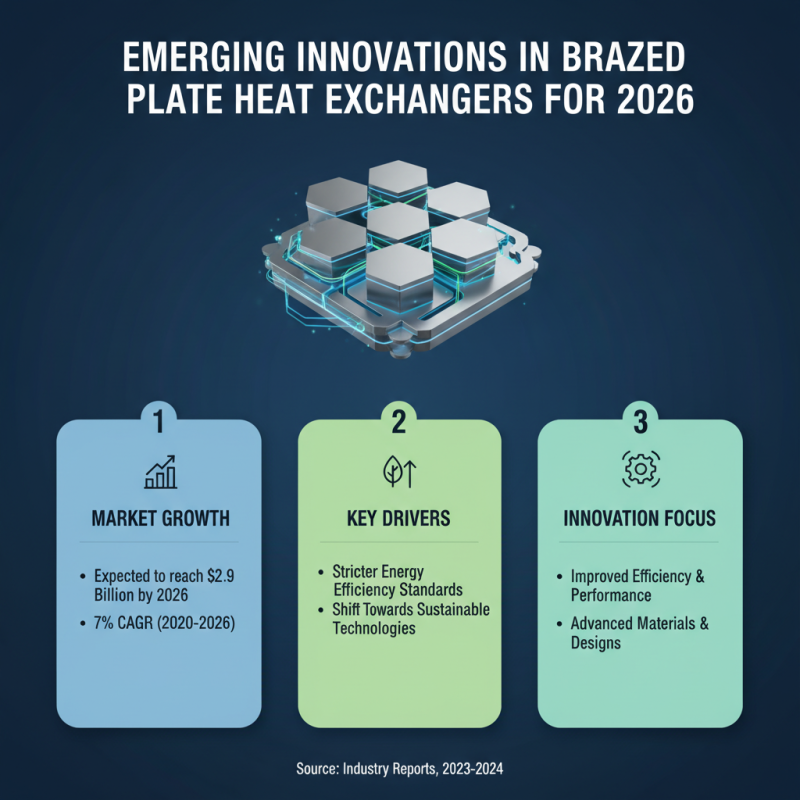
The landscape of brazed plate heat exchangers (BPHEs) is evolving rapidly as we approach 2026. Emerging innovations focus on improving efficiency and performance. Recent industry reports indicate a growing demand for BPHEs, driven by heightened energy efficiency standards and a shift toward sustainable technologies. The global market for BPHEs is expected to reach $2.9 billion by 2026, showcasing a compound annual growth rate of over 7%.
Advancements in materials play a crucial role in this evolution. Manufacturers are exploring high-performance alloys that enhance thermal conductivity and reduce weight. New designs incorporate advanced geometries, optimizing fluid flow and heat transfer. However, some innovations reflect the industry's struggles with scalability. Balancing cutting-edge design with manufacturability remains a challenge for many producers.
Sustainability also tops the list of priorities. Innovations focus on eco-friendly refrigerants and recyclable materials. Energy recovery systems integrated with BPHEs can reduce operational costs. Yet, stakeholders must address concerns regarding the life cycle impacts of these systems. The path to a greener future is clear, but it is not without hurdles.
Enhanced Materials and Coatings for Improved Thermal Efficiency
In the rapidly evolving landscape of heat exchange technology, advancements in materials and coatings are driving significant improvements in thermal efficiency. Traditional materials often fall short in performance, leading to inefficiencies in heat transfer. New alloys and composites are emerging, offering enhanced conductivity and resistance to corrosion. These innovations are crucial for industries that demand reliable thermal management.
Coatings also play a critical role in optimizing heat exchanger performance. Advanced thermal barrier coatings can reduce energy losses and improve overall system efficiency. However, the application of these coatings presents challenges. Achieving uniformity and durability remains a concern. Researchers are exploring various methods to ensure these coatings stand up to the demanding environments they face.
The balance between cost and performance must be carefully considered. Investing in more sophisticated materials could yield higher returns in efficiency. Yet, the right choices depend on specific applications and conditions. As technology progresses, stakeholders must continuously evaluate their options. This ongoing reflection is vital to advancing the field and maximizing energy efficiency in heat exchange systems.
2026 Top Trends in Brazed Plate Heat Exchanger Technology
Integration of IoT and Smart Technology in Heat Exchanger Designs
The integration of IoT and smart technology in heat exchanger designs is revolutionizing the industry. Manufacturers are now embedding sensors into brazed plate heat exchangers. These sensors monitor temperature, pressure, and flow rates in real-time. The data collected can optimize performance and enhance efficiency, driving energy savings.
With this technology, predictive maintenance becomes a reality. Instead of waiting for a breakdown, operators receive alerts for potential issues. This proactive approach minimizes downtime and reduces maintenance costs. However, the challenge lies in data security and system integration. Many plants still rely on outdated technologies.
Moreover, the skill gap in the workforce can be an obstacle. Engineers may need training to interpret complex data. As the industry evolves, continuous learning becomes essential. Striking a balance between innovation and training will shape the future of heat exchangers. Ensuring reliability with smart technologies requires ongoing efforts from all stakeholders.
Sustainable Practices and Eco-friendly Solutions in Manufacturing
As the demand for sustainable practices grows,
the heat exchanger industry is evolving. Brazed plate heat exchangers (BPHEs) are at the
forefront of this change. These devices are not only compact but also efficient. A recent report indicates
that they can reduce energy consumption by up to 30%
compared to traditional models. This significant reduction in energy usage is pivotal in mitigating
environmental impact.
Manufacturing processes are also shifting towards eco-friendly solutions.
Innovations in materials and production techniques are minimizing waste. A study noted that nearly
40% of manufacturers are now using recycled materials
in their products. This shift reflects a broader trend toward sustainability in industrial practices.
Despite these advancements, challenges remain. Some companies still rely on
non-renewable energy sources. Furthermore, the initial cost of adopting greener technologies can be
a barrier. However, the long-term benefits, like lower operational costs, are worth considering.
Achieving sustainability in BPHE technology is an ongoing journey. It requires commitment and continued
innovation from the entire industry.
Future Trends in Market Demand and Applications for Heat Exchangers
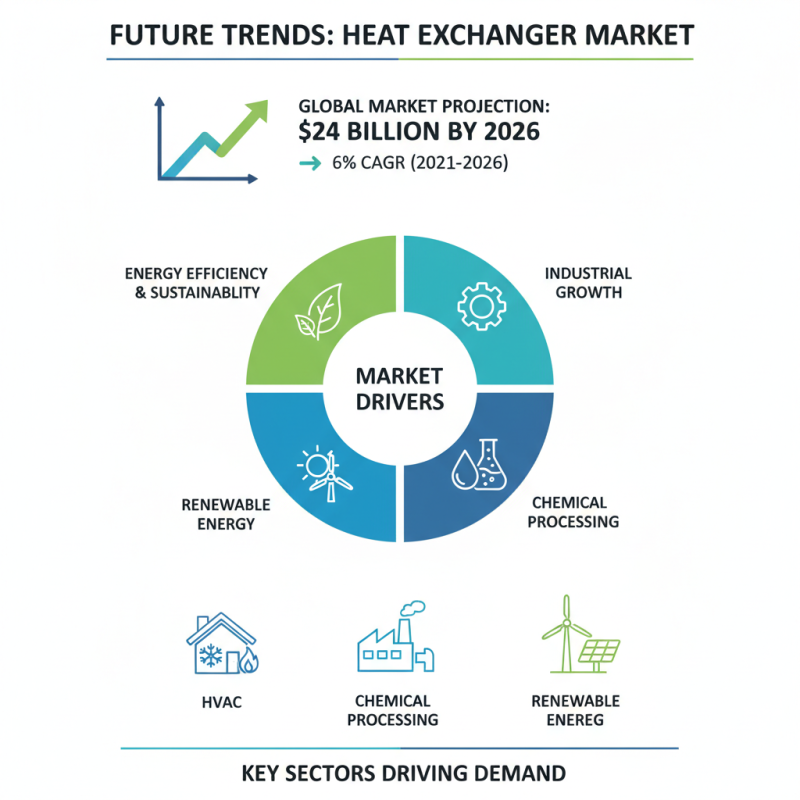
The heat exchanger market is evolving rapidly, driven by the push for energy efficiency and sustainability. According to recent industry reports, the global market for heat exchangers is projected to reach $24 billion by 2026, growing at a CAGR of 6% between 2021 and 2026. This demand stems from various industries, including HVAC, chemical processing, and renewable energy sectors.
Brazed plate heat exchangers are gaining attention due to their compact design and efficient heat transfer capabilities. These units are increasingly being used in applications requiring high-performance cooling systems. However, the technology also faces challenges. Material durability under extreme conditions and corrosion resistance are critical concerns that need to be addressed.
Moreover, the transition towards green technologies is influencing the demand for innovative heat exchangers. Industries are seeking solutions that not only improve efficiency but also reduce carbon emissions. The integration of advanced materials and smart control systems can enhance performance, yet this transition requires significant investment and expertise. Keeping an eye on these developing trends is essential for manufacturers and users alike, as they navigate the complexities of modern heat exchange solutions.