Top 5 Benefits of Plate Heat Exchangers in HVAC Systems?
In the HVAC industry, Plate Heat Exchangers (PHEs) have gained significant attention. Studies show that PHEs can improve energy efficiency by 25% compared to traditional systems. As energy costs rise, this efficiency becomes crucial for building operators. According to industry expert Dr. Emily Carter, "Plate Heat Exchangers optimize heat transfer while reducing energy waste."
PHEs are compact and versatile. Their design allows for effective heat exchange in limited spaces. This makes them suitable for various HVAC applications, from residential buildings to industrial setups. However, some users find maintenance challenging due to clogging issues. It's essential to address this to maintain efficiency.
Analyses indicate that PHEs can reduce maintenance costs by up to 30%. Yet, this figure may vary based on specific usage. Awareness of proper cleaning methods is key to sustaining their performance. With the evolving HVAC landscape, understanding the benefits of Plate Heat Exchangers is vital for future-proofing systems.

Advantages of Plate Heat Exchangers in HVAC Applications
Plate heat exchangers are becoming increasingly popular in HVAC systems due to their efficiency and compact design. One of the primary advantages is their ability to provide effective heat transfer. According to a 2021 industry report, these exchangers can achieve heat transfer efficiencies of over 90%. This efficiency allows HVAC systems to operate with lower energy consumption, which is vital in reducing operational costs.
Another significant benefit is their compact size. Plate heat exchangers require less installation space compared to traditional shell and tube designs. This compactness is especially useful in retrofitting existing systems in tight spaces.
However, the maintenance can sometimes be a challenge. While cleaning is easier than other types, users must regularly check for fouling issues. Ignoring maintenance can lead to decreased efficiency over time.
Durability is also a noteworthy feature. Many plate heat exchangers are made from corrosion-resistant materials, increasing their lifespan. Studies show that their lifespan can exceed 20 years with proper care. Yet, cost can be a concern.
Initial investments can be higher than other systems. Organizations must weigh upfront costs against long-term savings. Balancing these factors is crucial for effective HVAC system performance.
Enhanced Energy Efficiency in Heating and Cooling Processes
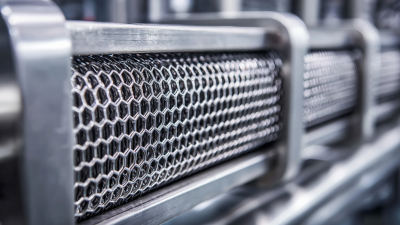
Plate heat exchangers (PHEs) play a vital role in enhancing energy efficiency in HVAC systems. Their compact design allows for efficient heat transfer between fluids. This improves temperature control during both heating and cooling processes. The larger surface area often leads to better performance, allowing for reduced operational costs.
Despite their benefits, PHEs require careful maintenance. Fouling can occur, which reduces efficiency over time. Regular cleaning is essential to maintain their energy-saving capabilities. Users sometimes overlook this, leading to unexpected drops in performance. Implementing a proper maintenance schedule can prevent this issue.
The adaptability of plate heat exchangers is another significant advantage. They can handle varying flow rates and temperature differences. This flexibility can be beneficial in dynamic HVAC setups. However, improper sizing or installation can lead to inefficiencies. It is crucial to assess specific requirements to ensure optimal performance.
Compact Design and Space-Saving Characteristics
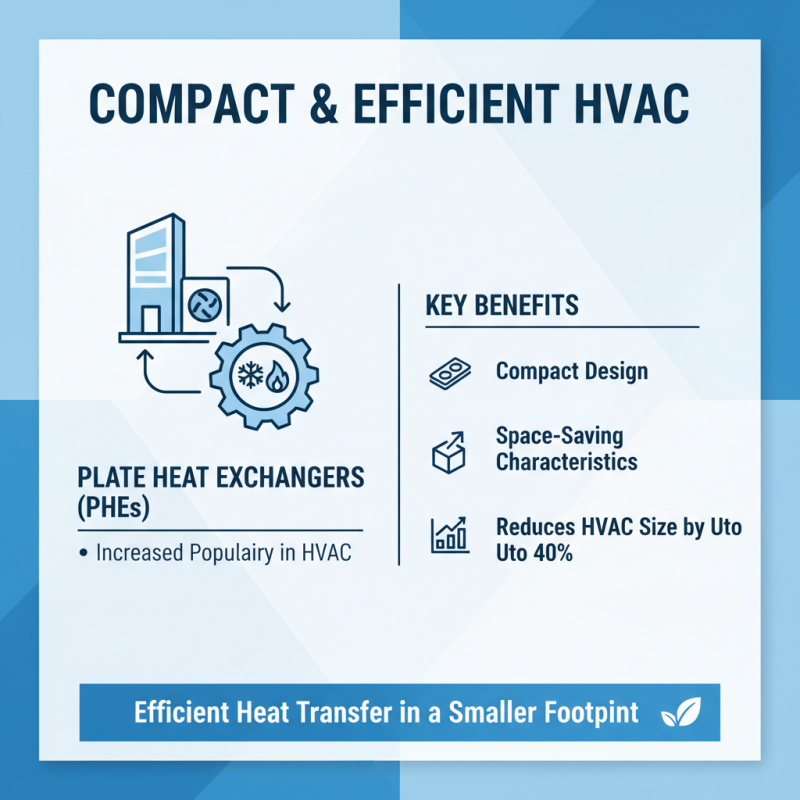
Plate heat exchangers (PHEs) are increasingly popular in HVAC systems due to their compact design and space-saving characteristics. These devices have a significant heat transfer surface area, which allows for efficient thermal transfer in a smaller footprint. According to a report by the International Energy Agency, PHEs can reduce the overall size of HVAC systems by up to 40%. This space efficiency is crucial in urban environments where real estate is limited.
Additionally, the lightweight nature of plate heat exchangers further enhances their appeal. Unlike traditional tube-and-shell heat exchangers, they don't require extensive structural support. The ease of installation and reduced maintenance needs translate into lower labor costs. However, while they are efficient, PHEs require regular cleaning to prevent fouling. Neglecting this aspect can lead to performance issues over time.
Despite the efficiency, there are concerns about the materials used. A study by the American Society of Heating, Refrigerating, and Air-Conditioning Engineers indicates that certain alloys may corrode in aggressive environments. Choosing the right materials remains a challenge. Therefore, engineering teams must balance between compact design and long-term reliability when selecting heat exchangers for HVAC applications.
Simplified Maintenance and Cleaning Procedures
Maintaining plate heat exchangers (PHEs) in HVAC systems can be straightforward. Their design allows for easy access to the plates, making cleaning more efficient. Regular maintenance is essential. According to industry reports, PHEs can experience up to a 30% efficiency loss due to fouling over time. Cleaning them promptly can restore optimal performance.
When cleaning a PHE, use an appropriate cleaning solution. This ensures that the surfaces are not damaged. Cleaning can usually be done without removing the unit from its location, which saves time and labor costs. Industry studies show that systematic maintenance every six months can prolong the lifespan of these systems.
Tip: Use a visual inspection method to check for foul buildup. If you notice discoloration or deposits, it’s time to clean.
Additionally, ensure that the gaskets are in good shape. Worn gaskets can lead to leaks, causing further complications. Keeping detailed records of maintenance can help track patterns and identify recurring issues. This data can be invaluable for predicting future problems and improving your HVAC system’s reliability.
Versatility in Various HVAC System Configurations
Plate heat exchangers offer remarkable versatility in HVAC systems. Their compact design allows them to fit into various layouts. This feature is critical for both residential and commercial applications. In tighter spaces, traditional heat exchangers may struggle, but plate heat exchangers can be installed where space is limited. This adaptability enhances system efficiency.
Choosing the right configuration is essential. Different systems require specific designs. Some setups may necessitate higher flow rates, while others might focus on efficiency. Installation challenges can arise if the wrong type is selected. It's important to consider the overall dynamics of the HVAC system. Understanding these parameters ensures optimal performance.
The maintenance aspect also demands attention. Regular upkeep is crucial for long-term efficiency. Neglecting this can lead to scaling or fouling, which diminishes performance. Some might overlook minor leaks or wear and tear, thinking they are insignificant. A small issue can snowball into major problems. Attention to detail during installation and maintenance can significantly improve reliability.