Why Choose Gasketed Plate Heat Exchanger for Your Business Needs?
In the competitive world of industrial heat exchange, the choice of equipment can significantly impact efficiency and cost. Expert Dr. Sarah Johnson, a renowned specialist in thermal systems, states, “Choosing the right Gasketed Plate Heat Exchanger can enhance operational efficiency and reduce energy costs.” This encapsulates the importance of selecting suitable technology for business needs.
Gasketed Plate Heat Exchangers stand out for their compact design and effective heat transfer capabilities. Companies often face challenges when trying to maximize their thermal efficiency. The gasketed design enables easy maintenance. This results in less downtime and increased productivity.
However, not all businesses opt for Gasketed Plate Heat Exchangers, possibly due to a lack of understanding or concerns about initial costs. Addressing these misconceptions is vital. Investing in high-quality heat exchangers can lead to long-term savings. In the end, the decision should align with specific business goals and operational demands.
Benefits of Gasketed Plate Heat Exchangers for Industrial Applications
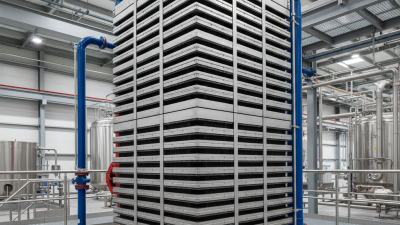
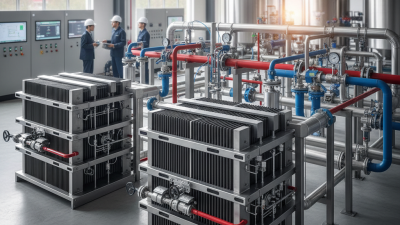
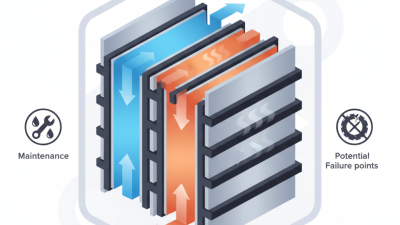
Gasketed plate heat exchangers are essential for many industrial applications. Their design enables efficient heat transfer, which is crucial in various processes. These units consist of several thin plates stacked together, allowing fluids to flow in alternate paths. This enhances energy transfer while ensuring a compact design, which is ideal for limited spaces.
One key benefit is their easy customization. Companies can adjust the number of plates to cater to specific heat transfer needs. This flexibility allows for quick modifications based on operational demands. Additionally, gasketed plate heat exchangers are relatively easy to maintain. The gaskets can be replaced without extensive downtime, which is vital for industries with continuous operation.
However, there are potential drawbacks. Over time, the gaskets may degrade, leading to leaks. Regular inspections are necessary to avoid this issue. Also, their efficiency can decrease if not properly sized, resulting in suboptimal performance. It's essential to analyze your needs thoroughly before making a decision. A well-chosen heat exchanger can significantly enhance operational efficiency, but ignoring these factors might lead to complications.
Key Features that Distinguish Gasketed Plate Heat Exchangers
Gasketed plate heat exchangers offer several unique features that can greatly benefit various industries. Their compact design allows for efficient use of space, making them ideal for businesses with limited room. These exchangers utilize a series of thin plates, which provide a larger surface area for heat transfer. This design maximizes efficiency while minimizing energy consumption.
Another key feature is their flexibility. Gaskets allow for easy assembly and dismantling, making maintenance straightforward. This is crucial in industries where downtime must be minimized. However, regular checks on gaskets are essential. Wear and tear can impact performance if not addressed.
Corrosion resistance is also an important consideration. The materials used in gasketed plate heat exchangers are often designed to withstand harsh conditions. However, businesses must evaluate their specific needs. Factors such as temperature and fluid types play a significant role in the longevity and efficiency of the system. Regular assessments can help ensure that businesses select the right exchanger for their operations.
Cost-Effectiveness of Gasketed Plate Heat Exchangers in Operations
Gasketed plate heat exchangers offer a compelling solution for many industries. Their design allows for efficient heat transfer, crucial for operations aiming to maximize productivity. According to industry reports, these exchangers can enhance thermal efficiency by up to 90%. This significant cost-saving potential stems from lower energy consumption during operation.
Regular maintenance is essential for optimizing their performance. A well-maintained gasketed plate heat exchanger can drastically reduce energy costs. In fact, neglected units may lose up to 20% of their efficiency over time due to fouling. Monitoring performance regularly can prevent these inefficiencies.
Tips: Implement a routine maintenance schedule. Inspect gaskets and plates regularly. Early detection of wear extends the life of the unit. Investing in high-quality materials may also lead to long-term savings. Consider leveraging advanced cleaning technologies to maintain optimal performance.
Maintenance Considerations for Gasketed Plate Heat Exchangers
Gasketed plate heat exchangers are efficient, but maintenance requires attention. Regular inspections are crucial. Leaks can develop over time, affecting performance. A small leak often leads to larger issues if not addressed promptly. Check gaskets regularly. They can wear and tear due to thermal cycles and pressure. This can lead to inefficient heat transfer, which is costly.
Cleaning is another key aspect. Fouling can occur, especially in industries with dirty fluids. It is essential to clean the plates periodically, using appropriate cleaning agents. Ignoring fouling results in reduced efficiency and higher energy costs. Document cleaning schedules and performance metrics for better oversight.
Consider the skill level required for maintenance. Employees need training to perform tasks safely and effectively. Lack of training could lead to improper handling of equipment and safety risks. It's imperative to create a culture of continuous learning and reflection on maintenance practices. This proactive approach not only safeguards equipment but also ensures optimal performance.
Applications of Gasketed Plate Heat Exchangers Across Various Industries
Gasketed plate heat exchangers are crucial in multiple industries. They are versatile and efficient, making them a preferred choice. In the food and beverage sector, these heat exchangers maintain temperature control during pasteurization. This process is vital to ensure food safety and quality.
In chemical plants, they handle a variety of fluids effectively. However, they're not flawless. Gasket wear can lead to leaks, which impact efficiency. Regular maintenance is essential to avoid such issues. In HVAC systems, for example, they help regulate heat transfer. This contributes to energy savings and improved performance.
Pharmaceutical companies also benefit from these systems. The precise temperature control protects sensitive compounds. Yet, the initial installation can be complex. Proper design and expert installation mitigate potential problems. Each application showcases the adaptability and reliability of gasketed plate heat exchangers. They meet diverse requirements across industries effectively.