How to Choose the Best Plate to Plate Heat Exchanger?
Choosing the best Plate to Plate Heat Exchanger is critical for various industries. Efficient heat transfer is essential in manufacturing, HVAC, and food processing. According to the U.S. Department of Energy, optimizing heat exchangers can improve energy efficiency by up to 30%. This translates to significant savings and lower emissions for companies.
The selection process involves understanding the technical specifications and the application requirements. Factors such as flow rates, temperature ranges, and materials are crucial in making an informed decision. Research from the Heat Exchange Institute suggests that selecting the right model can increase operational reliability and reduce maintenance costs. However, many organizations often overlook these critical aspects.
While there are numerous options available, it's easy to feel overwhelmed by the choices. Misjudging the heat exchanger type could lead to inefficiencies. In many cases, companies settle for suboptimal solutions that do not meet their specific needs. Taking the time to evaluate these details can prevent costly mistakes and enhance overall performance.

Understanding Plate Heat Exchangers: Key Components and Functionality
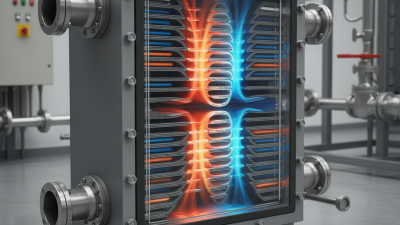
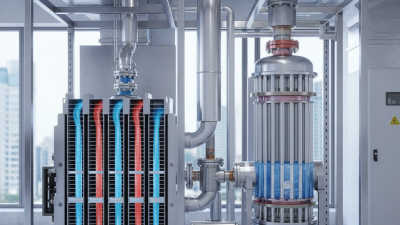
Plate heat exchangers (PHEs) are essential in many industries. Their efficiency depends on understanding their components and functionality. A PHE consists of multiple thin plates. These plates create channels for two fluids. The hot fluid transfers heat to the cold one. This process is highly efficient due to the large surface area created by the plates.
Each plate is gasketed or welded. Gaskets prevent leaks. They also allow for easy maintenance and cleaning. However, gaskets may degrade over time. It’s crucial to inspect them regularly for any signs of wear. If worn, they can lead to fluid mixing and efficiency loss.
Tips for choosing the right PHE include considering the fluid properties. Know their temperatures, pressures, and viscosities. Also, assess the required heat transfer area. Oversizing can lead to higher costs and lower efficiency. Always consult an expert to ensure the right match for your application. Evaluating your options carefully can prevent costly mistakes in the future.
Types of Plate Heat Exchangers: A Comparative Overview
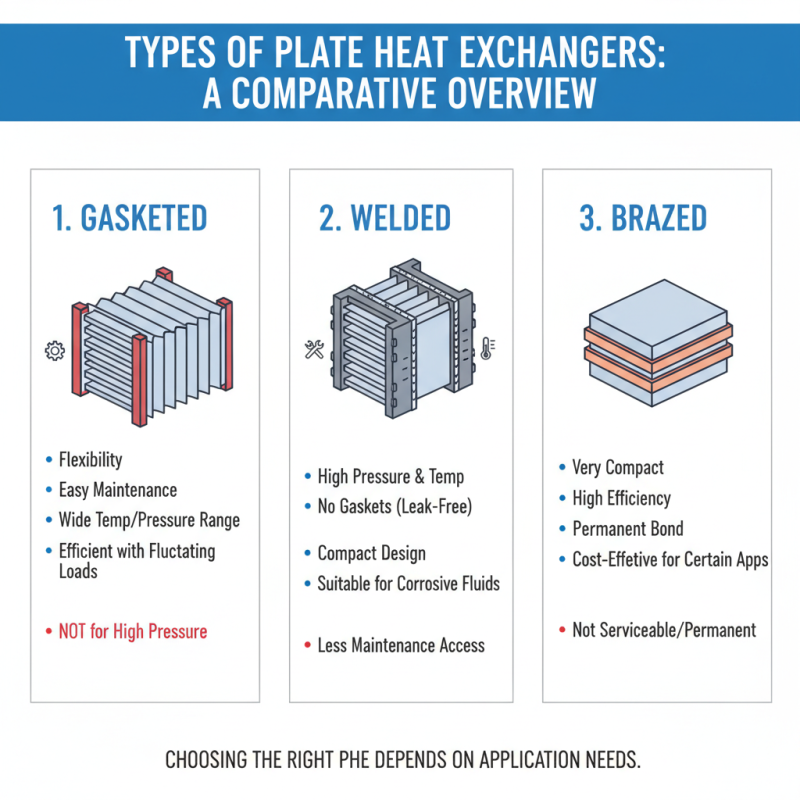
When selecting a plate heat exchanger (PHE), understanding the different types is crucial. There are primarily three types: gaskets, welded, and brazed. Gasketed plate heat exchangers offer flexibility and easy maintenance, making them popular in various industries. They can handle a wide range of temperatures and pressures, with reports indicating they are efficient in applications with fluctuating loads. However, they are not suitable for high-pressure situations.
Welded plate heat exchangers, on the other hand, are ideal for more demanding environments. They provide a robust solution for high pressure and temperature systems. According to industry data, these exchangers have a higher thermal efficiency than gasketed types, making them beneficial for energy-intensive processes. The downside is that they are harder to maintain. Removing welded plates for cleaning can be labor-intensive.
Brazed plate heat exchangers offer compact designs and are often used in small-scale operations. They have minimal leak points due to the brazing technique, making them reliable for various systems. Their efficiency in heat transfer makes them suitable for refrigerants and low-viscosity fluids. Nevertheless, they cannot be disassembled, limiting their repair options.
Tips: Assess your system's operating conditions. Identify the maximum temperature and pressure levels. Choose a PHE that meets these criteria. Consider maintenance requirements. Regular maintenance ensures longevity and efficiency. Don't overlook the implications of repairability in your selection process.
Factors Influencing Efficiency: Flow Configuration and Plate Design
Choosing the right plate to plate heat exchanger is crucial for optimal performance. One key factor influencing efficiency is flow configuration. Counterflow configurations often provide the best heat transfer rates. This arrangement allows the hot and cold fluids to move in opposite directions, maximizing temperature differential. However, this setup may increase complexity in design and installation.
Plate design is another vital factor. The surface area and geometry of the plates determine how effectively heat is exchanged. Corrugated plates can enhance turbulence, promoting better heat transfer. Yet, this design may lead to higher pressure drops, which could affect system efficiency. Careful consideration is needed to balance these trade-offs.
It's important to reflect on the specific application's needs. Different processes may require unique configurations or plate designs. Evaluating the requirements thoroughly can lead to better choices. Not every design will suit all operations, and compromises may be necessary. Regular maintenance and operational adjustments can also improve overall efficiency. Aim for a system that remains flexible to changing demands.
Material Selection for Plate Heat Exchangers: Corrosion Resistance and Durability
Selecting the right material for plate heat exchangers is vital. The choice impacts both corrosion resistance and durability. Various materials, including stainless steel and titanium, offer different benefits. Stainless steel is often favored for its strong resistance to corrosion in various environments. However, titanium excels in corrosive settings, making it ideal for specific applications.
Tips: Consider the fluid types. Different fluids can accelerate wear and damage. Understanding the operating environment helps ensure longevity.
Another factor is durability. A heat exchanger may face high pressure and temperature. Certain materials might withstand this better than others. It's essential to analyze mechanical properties and thermal conductivity.
Tips: Regular maintenance can enhance the lifespan. Inspect for wear and stress regularly to avoid costly replacements. Remember, an informed choice leads to better operational efficiency.
Corrosion Resistance of Different Materials for Plate Heat Exchangers
Calculating Thermal Performance: Heat Transfer Coefficient and Pressure Drop
When selecting a plate to plate heat exchanger, understanding thermal performance is crucial. The heat transfer coefficient plays a vital role in this process. It measures how efficiently heat is transferred between fluids. A higher coefficient indicates better performance. Factors influencing this coefficient include plate design, flow arrangement, and fluid properties. Adjusting these can lead to substantial efficiency improvements.
Pressure drop is another key consideration. It reflects the resistance fluids encounter while flowing through the exchanger. A significant pressure drop can impede system performance. It can increase energy consumption, impacting overall efficiency. Balancing heat transfer with pressure drop is essential. Sometimes, enhancing heat transfer raises pressure drop.
Choosing the right exchanger involves trade-offs. High performance may lead to increased costs or maintenance demands. It requires careful evaluation of specific application needs. Engaging with engineers or heat transfer specialists can provide deeper insights. Not all designs are flawless; imperfections often require adjustments. An analytical approach ensures a well-informed decision.
How to Choose the Best Plate to Plate Heat Exchanger? - Calculating Thermal Performance
| Heat Exchanger Type |
Heat Transfer Coefficient (W/m²·K) |
Pressure Drop (kPa) |
Suitable Applications |
| Gasketed Plate Heat Exchanger |
500 - 700 |
20 - 50 |
HVAC, Food Processing |
| Welded Plate Heat Exchanger |
800 - 1200 |
30 - 70 |
Oil Refining, Chemical Processing |
| Semi-Welded Plate Heat Exchanger |
600 - 900 |
25 - 60 |
Refrigeration, Pharmaceutical |
| Brazed Plate Heat Exchanger |
700 - 1000 |
10 - 40 |
Heating, Cooling Systems |