How to Choose the Right Heating Plate Heat Exchanger?
Choosing the right Heating Plate Heat Exchanger is crucial for maximizing energy efficiency and reducing operational costs. According to the U.S. Department of Energy, proper selection can improve efficiency by up to 30%. This highlights the importance of making informed decisions based on specific application needs and operational conditions.
The market for heat exchangers is projected to grow significantly, driven by advancements in technology and increased demand for energy-efficient solutions. However, not all heating plate heat exchangers are created equal. Factors such as material compatibility, size, and flow rate must be considered. For instance, mismatched materials can lead to corrosion, decreasing longevity and performance.
In addition, many users often underestimate maintenance requirements, which are vital for optimal performance. Regular checks and cleaning can extend the lifespan of a heating plate heat exchanger significantly. However, many installations face challenges related to accessibility and maintenance planning. Choosing the wrong unit can lead to costly downtime and repairs. Thus, thorough research and expert consultation are essential for ensuring the right choice is made.
Understanding the Functionality of Heating Plate Heat Exchangers
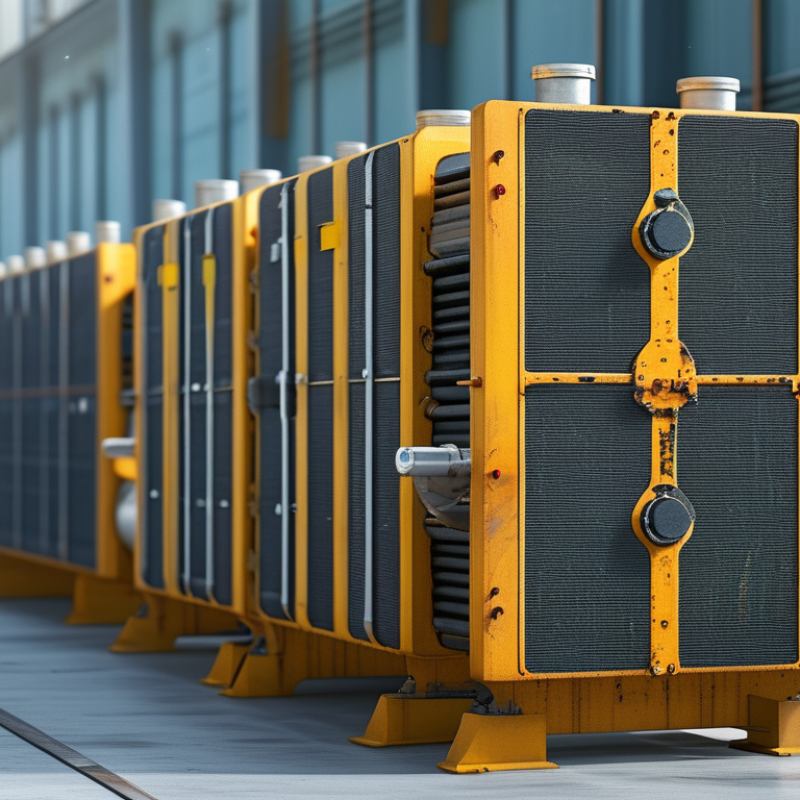
Heating plate heat exchangers play a crucial role in various industrial applications. They transfer thermal energy between fluids without mixing them. This is vital for processes needing precise temperature control. Understanding how these devices function can help in selecting the right one for your needs.
The design of heating plate heat exchangers ensures efficient heat transfer. Thin plates increase surface area, enhancing heat exchange as fluids flow. However, not all heating plate heat exchangers are the same. Some focus on energy efficiency, while others prioritize space-saving designs. Factors like fluid characteristics must also be considered. Are the fluids corrosive or viscous? Each scenario may require a different material or configuration.
Heat transfer relies on temperature difference, so maintaining optimal conditions is crucial. Monitoring systems can help track performance. It's easy to overlook the need for regular maintenance. Neglect may lead to reduced efficiency. Reflecting on operational performance can help identify areas for improvement. Balancing efficiency and reliability is key in choosing the right heating plate heat exchanger.
Assessing Your Thermal Requirements for Efficient Heat Transfer
When selecting a heating plate heat exchanger, understanding your thermal requirements is crucial. Begin with a clear assessment of the temperatures needed for efficient heat transfer. This helps prioritize the design features of the heat exchanger. Will you need high-temperature or low-temperature capacity? How rapidly do you need to heat or cool the medium? These questions can guide your decision-making.
Calculate the heat transfer area based on your specific applications. Factors such as flow rates and the type of fluids involved play a significant role. Don't overlook the impact of potential fouling or scaling on performance. Sometimes, users provide insufficient data, leading to larger-than-necessary systems. A detailed analysis can prevent oversizing while ensuring reliability.
Consulting with engineering experts can enhance your understanding of these parameters. You may have conflicting results from different scenarios or calculations. Iteration and testing are essential. Consider how changes in one variable impact overall performance. A methodical approach will help you create an effective heating solution tailored to your needs.
Comparing Different Materials for Heating Plate Heat Exchangers
When choosing a heating plate heat exchanger, material selection is critical. Stainless steel and titanium are prevalent choices. According to a recent industry report, stainless steel is favored for its corrosion resistance and strength. Studies show that it can withstand temperatures up to 500°F while maintaining efficiency. However, its performance may decline in highly acidic environments.
In contrast, titanium offers higher resistance to corrosive substances. Its durability makes it suitable for hostile environments, including marine applications. The initial cost of titanium is higher, but longevity can offset this. Research indicates that titanium heat exchangers can last significantly longer than their stainless steel counterparts. This durability provides valuable insights into lifecycle cost considerations.
Nevertheless, factors such as thermal conductivity and weight must also be evaluated. Stainless steel has better thermal conductivity, resulting in faster heating times. On the other hand, titanium is lighter but at the expense of conductivity. Each material has its pros and cons, making it essential to assess the specific environment and application needs. Decision-makers should analyze these variables critically to determine the best option for their heat exchanger design.
Comparing Different Materials for Heating Plate Heat Exchangers
Evaluating Size and Configuration Options for Optimal Performance
When choosing the right heating plate heat exchanger, size and configuration are crucial factors. A well-designed heat exchanger can enhance efficiency and performance. According to industry studies, nearly 70% of heat exchanger malfunctions stem from improper sizing. An undersized unit may lead to insufficient heating, while an oversized one can increase energy costs.
Configuration plays a vital role in maximizing heat transfer. Plate heat exchangers come in various layouts, including parallel flow and counterflow designs. Research indicates that counterflow configurations can be up to 30% more efficient than their parallel counterparts. The flow arrangement affects turbulence and heat transfer rates. Proper evaluation of these options can lead to substantial energy savings.
However, the selection process is not straightforward. Factors such as operational conditions, fluid types, and pressure drops must be analyzed. A 2021 report highlighted that 50% of facility operators did not fully understand their heating needs. This gap in knowledge can lead to unintended operational issues. Careful consideration of these details is essential in achieving optimal performance from a heating plate heat exchanger.
How to Choose the Right Heating Plate Heat Exchanger? - Evaluating Size and Configuration Options for Optimal Performance
| Dimension |
Value |
Optimal Range |
| Heat Transfer Area (m²) |
50 |
40 - 70 |
| Fluid Flow Rate (L/min) |
200 |
150 - 250 |
| Inlet Temperature (°C) |
85 |
70 - 90 |
| Outlet Temperature (°C) |
60 |
55 - 65 |
| Pressure Drop (bar) |
0.5 |
0.3 - 0.7 |
| Material |
Stainless Steel |
Corrosion Resistant |
Considering Maintenance and Durability When Selecting a Heat Exchanger
When selecting a heating plate heat exchanger, maintenance and durability are crucial factors. A well-designed heat exchanger can last many years. However, neglecting maintenance can lead to premature failure. Regular inspections are vital, as they can reveal issues early. Look for signs of wear or corrosion. Simple visual checks can go a long way.
Consider materials used in the heat exchanger. Stainless steel is a popular choice due to its resistance to corrosion. However, it may not always be the best option for every application. For example, specific environments may demand alternative materials. Discuss these conditions with experts to align your choice with your operational needs.
It’s also important to think about accessibility when it comes to maintenance. Ideally, the design should allow easy access for cleaning and repairs. Some heat exchangers have complex configurations that make upkeep challenging. If maintenance is difficult, it often gets overlooked. This can lead to costly breakdowns and reduced efficiency. Would it be worth it to choose a more straightforward design?