How to Choose the Best Phe Exchanger for Your Needs?
In the intricate world of industrial processes, selecting the right Phe Exchanger is crucial. Industry expert Dr. Emily Carter emphasizes, "The right Phe Exchanger can enhance efficiency and save costs." Businesses often struggle with this choice. With various models and specifications available, the selection can feel overwhelming.
Choosing a Phe Exchanger involves understanding your specific needs. Factors include flow rate, temperature, and pressure conditions. The materials used also play a significant role in performance and durability. While some may gravitate towards the cheapest option, this could lead to failures in the long run.
It’s essential to weigh all factors carefully. Investing time in research may.prevent costly mistakes. Look for reliable vendors who offer comprehensive testing and support. Remember, a well-chosen Phe Exchanger not only meets your immediate needs but also fits seamlessly into your long-term operational strategy.
Understanding the Basics of Phe Exchangers
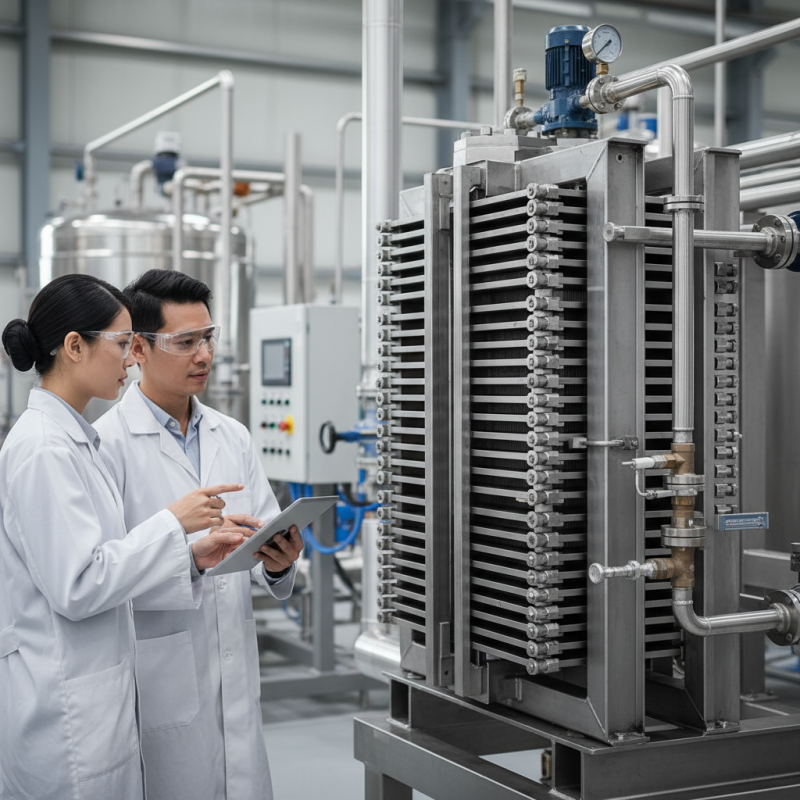
Plate heat exchangers (PHEs) are crucial in various industrial applications. To choose the right one, understanding the fundamentals is vital. PHEs are designed to transfer heat between two fluids. They are compact, efficient, and versatile. According to a report by Grand View Research, the global market for PHEs is expected to reach $10.20 billion by 2027, driven by their energy efficiency.
PHEs operate by utilizing metal plates to create channels for fluid flow. This design maximizes surface area, allowing for effective heat transfer while minimizing energy loss. A critical consideration in selecting a PHE is the materials used. Stainless steel is the most common due to its corrosion resistance, although other materials might be suitable for specific applications. Not all PHEs can handle high temperatures or pressures, which can lead to performance issues.
Some PHE designs may suffer from fouling, where deposits build up on surfaces, affecting efficiency. Regular maintenance and cleaning are necessary to mitigate this issue. A recent study indicated that fouling could reduce heat transfer efficiency by up to 30%. This highlights the need for proper assessment before installation. Understanding your specific thermal and fluid conditions is crucial to avoiding complications later on.
Assessing Your Specific Application Requirements
Choosing the right PHE (Plate Heat Exchanger) is vital for your specific application. Assessing your requirements involves understanding the fluid types, temperatures, and pressures involved. These factors significantly influence the performance of the heat exchanger.
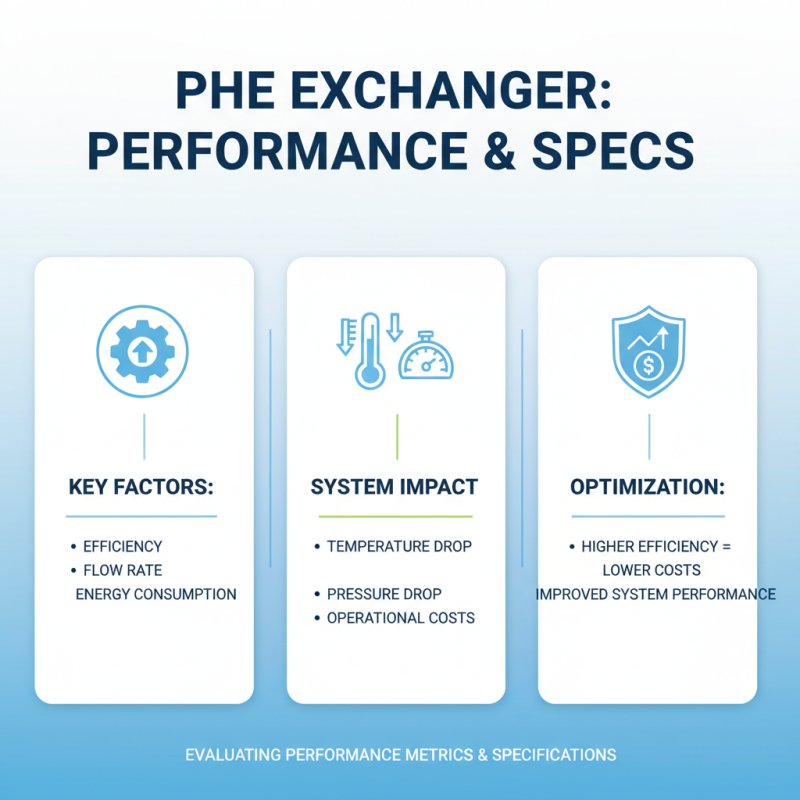
Consider how the fluid characteristics impact efficiency. For example, viscous fluids may require larger surface areas for effective heat transfer. The temperature range also matters. If your application involves extreme temperatures, select a design that withstands such conditions. Pressure drops during operation should also be evaluated, as they affect energy consumption.
Tips: Always consult with an expert to tailor your selection. They can provide insights based on their experience. Pay close attention to the material of the plates. Corrosion resistance often dictates longevity. Lastly, inquire about maintenance requirements. Some designs may seem efficient initially but could lead to higher costs over time due to upkeep.
Comparison of Different PHE Exchangers Based on Application
This bar chart illustrates the heat transfer efficiency of various types of Plate Heat Exchangers (PHEs) used in different applications. The data reflects the average performance of PHEs tailored to specific industry needs. This comparison aids in selecting the most suitable exchanger for your specific application requirements.
Comparing Different Phe Exchanger Brands and Models
When choosing a plate heat exchanger (PHE), it's essential to compare various brands and models. Each PHE offers unique features that cater to different needs. For example, consider the type of fluids in your application. Some models work better with highly viscous liquids, while others excel with standard fluids. Understanding your specific requirements helps narrow the options.
Efficiency is another critical factor. Look for designs that optimize surface area and flow paths. This information is often detailed in product specifications. However, not every brand provides transparent data about real-world performance. As you research, pay attention to user reviews and case studies. These sources can reveal practical insights into how each model performs over time.
Additionally, cost-effectiveness might be misleading. A cheaper model may not deliver the expected performance. Some users may overlook long-term maintenance costs. It’s vital to strike a balance between purchase price and efficiency. While comparing brands, reflect on these aspects. The right PHE can lead to significant savings and better energy use in the long run.
Maintenance and Support Considerations for Phe Exchangers
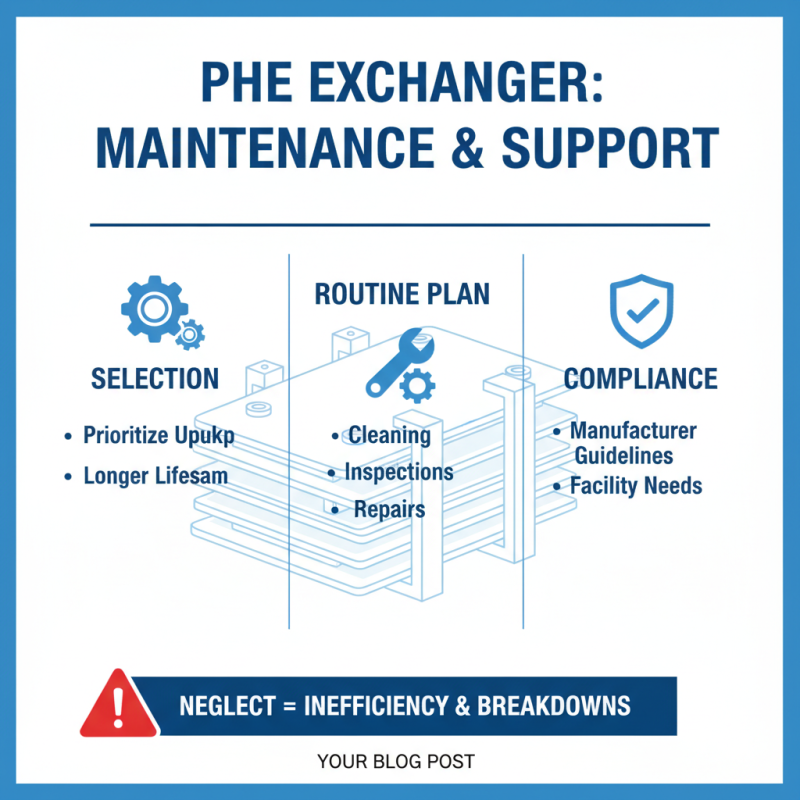
When selecting a PHE (Plate Heat Exchanger), maintenance and support are critical factors. Regular upkeep ensures optimal performance and prolongs the lifespan of the unit. A scheduled maintenance plan should address cleaning, inspections, and repairs. Neglecting these tasks can lead to inefficiencies and possible breakdowns. It’s essential to establish a routine that aligns with the manufacturer's guidelines and the specific operational demands of your facility.
Support options also play a vital role in maintaining PHEs. Technical assistance should be readily available. Training for staff can enhance operational efficiency, ensuring they know how to identify and deal with potential issues. Common challenges include leaks and fouling, which require prompt attention. Utilizing checklists can help your team catch problems early. However, not every situation is straightforward. Complex issues may require outside expertise, highlighting the importance of robust support networks.
Assessing the availability of spare parts is another important consideration. Waiting for critical components can lead to expensive downtime. It's vital to work with suppliers who understand your needs and can provide timely solutions. Additionally, reflecting on past maintenance experiences can guide future decisions. Taking time to analyze previous challenges can lead to better preparedness and efficient problem-solving. A systematic approach to maintenance and support will ultimately drive better performance from your PHE.