How to Ensure Effective Heat Exchanger Maintenance Techniques?
Effective Heat Exchanger Maintenance is crucial for optimal performance and longevity of equipment. Proper upkeep prevents costly downtime and enhances system efficiency. When heat exchangers operate efficiently, they ensure optimal heat transfer, which is vital in various industries like power generation and HVAC.
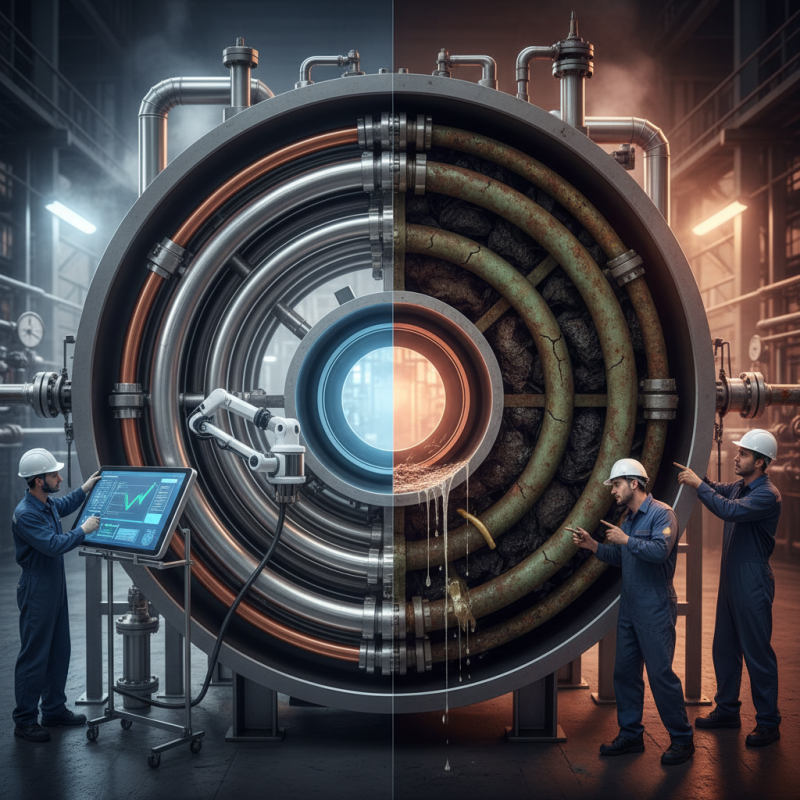
Neglecting maintenance can lead to significant issues. Fouling, corrosion, and leaks are common problems that arise from insufficient care. These issues not only affect performance but can also result in safety hazards. Regular inspections and cleaning are essential practices that help identify potential problems before they escalate.
Incorporating advanced techniques and technologies can enhance maintenance strategies. For instance, real-time monitoring and predictive maintenance can reveal valuable insights. However, some facilities may overlook these methods due to budget constraints or a lack of expertise. Recognizing these gaps is important for refining Heat Exchanger Maintenance practices. Adopting a proactive approach ensures the reliability and efficiency of heat exchangers in any application.
Importance of Regular Heat Exchanger Inspection and Assessment
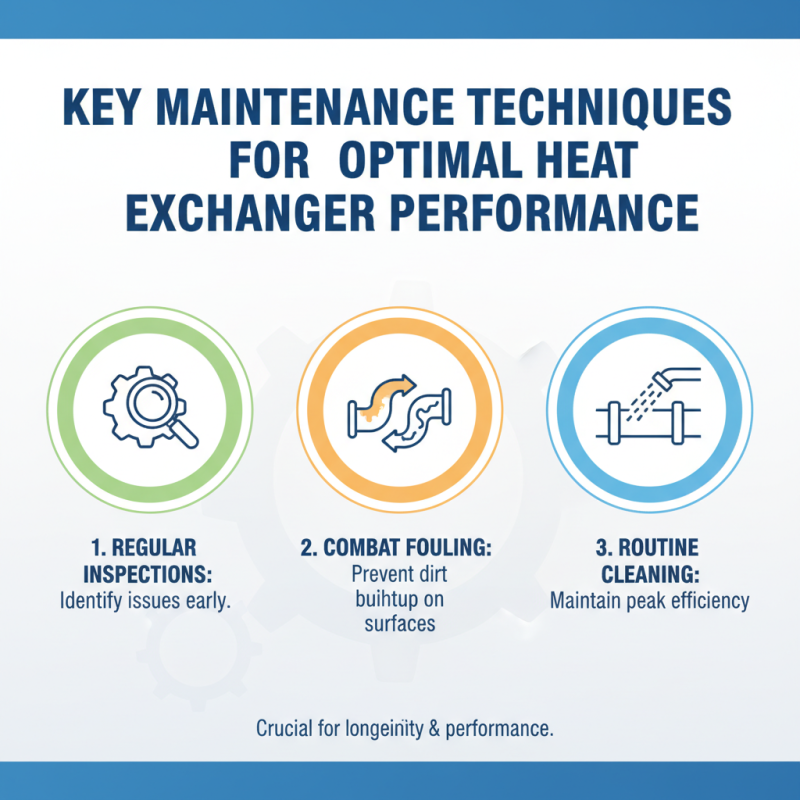
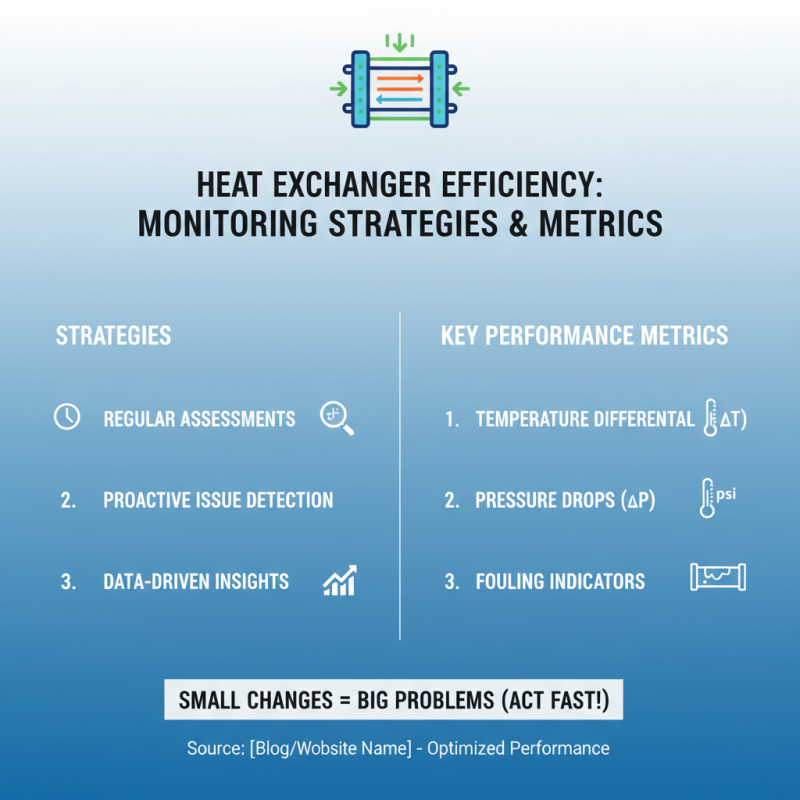
Regular heat exchanger inspections are crucial for optimal performance and longevity. Industry studies indicate that undetected fouling can reduce efficiency by up to 20%. This decline directly affects energy consumption and operational costs. Regular assessments help identify potential issues before they escalate into major failures, reducing downtime and maintenance expenses.
Implementing an effective inspection schedule is key. Inspections should include checking for leaks, corrosion, and blockages. Using advanced monitoring technologies can facilitate real-time assessments. For instance, thermographic inspections can reveal temperature differences that indicate fouling. Additionally, ultrasonic testing can detect wall thinning and structural defects.
Tips: Maintain detailed logs of all inspections and repairs. This data can reveal trends and recurring problems. Educate your staff on the importance of these inspections to foster a proactive maintenance culture. Small issues, if caught early, can save significant resources. Regular evaluations promote reliability and efficiency, aligning with industry standards that suggest inspections at least twice a year.
Recommended Cleaning Methods Based on Industry Standards
Cleaning heat exchangers is essential for optimal performance. Routine maintenance can prevent costly downtime. Industry standards recommend several effective cleaning methods.
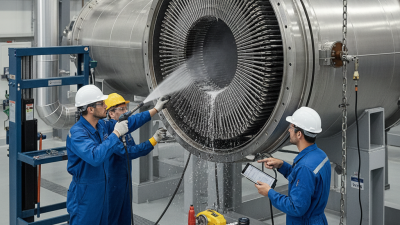
Mechanical cleaning is a common approach. Tools like brushes and scrapers remove fouling. This method suits various heat exchanger designs. However, it requires skilled personnel. Improper techniques can damage the surfaces. Sticking to guidelines is crucial.
Chemical cleaning is another effective method. It involves using specific agents to dissolve deposits. This approach can reach difficult areas. Yet, safety precautions are important. Not all chemicals suit every material. Always verify compatibility to avoid failures. Regular training ensures workers understand the processes. Proper cleaning increases efficiency and extends lifespan.
Common Issues and Troubleshooting Approaches in Heat Exchanger Maintenance
Heat exchangers are critical in various industries, from power generation to chemical processing. However, their maintenance often poses challenges. Common issues include fouling, corrosion, and leaks. Fouling occurs when particles accumulate on heat transfer surfaces, reducing efficiency. A 2021 report highlighted that 50% of heat exchangers face significant fouling issues annually, leading to a 20% drop in performance.
Corrosion is another serious concern. It can weaken the structure and lead to failures. Specific environments, such as those with high temperatures and aggressive fluids, increase corrosion risks. Data from industry studies show that up to 30% of heat exchanger failures result from corrosion over time. Engaging in regularly scheduled inspections can help detect problems early, but many still overlook this vital aspect.
Leaks can lead to environmental hazards and process inefficiencies. Identifying leaks requires a proactive approach, often involving non-destructive testing methods. However, many operators hesitate to invest in these techniques. By embracing innovative inspection technologies, such as ultrasonic testing, facilities can significantly reduce the risk of catastrophic failures. Ultimately, regular maintenance, thorough inspections, and fast troubleshooting can enhance reliability.
Heat Exchanger Maintenance Issues and Downtime Analysis