10 Essential Tips for Efficient Plate Heat Transfer Systems?
In the realm of thermal engineering, Plate Heat Transfer systems play a pivotal role in industrial processes. They provide efficient and reliable heat exchange, crucial for optimizing performance and energy consumption. With the increasing demand for energy efficiency, understanding effective strategies for these systems is essential.
Numerous factors influence the efficiency of Plate Heat Transfer. Design specifications, flow arrangements, and thermal properties significantly impact performance. Operators often overlook maintenance routines, leading to deterioration over time. Such oversights can result in suboptimal efficiency and increased operational costs.
Implementing essential tips can greatly enhance the effectiveness of these systems. Insights from experienced professionals reveal practical solutions that can lead to improved energy utilization. Addressing common pitfalls is crucial for ensuring long-term reliability and operational success. These strategies not only optimize heat transfer but also contribute to sustainability goals in various industries.
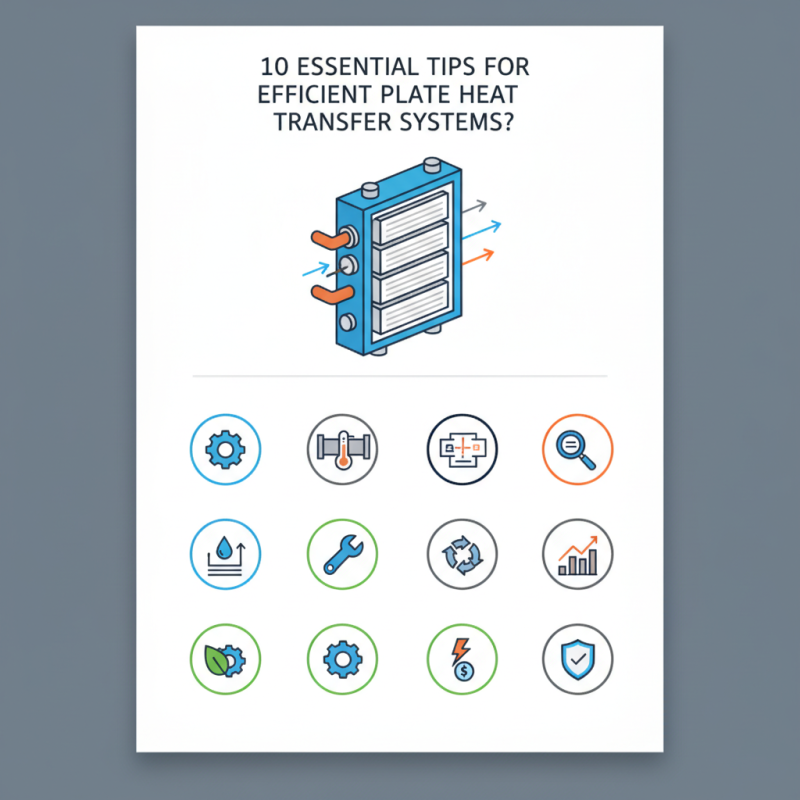
Understanding Plate Heat Transfer Mechanisms and Their Efficiency
Plate heat exchangers are critical for various industrial applications. Their efficiency depends significantly on the design and operational parameters. According to a report from the International Institute of Refrigeration, the heat transfer effectiveness of plate heat exchangers can reach 90% when properly designed.
Understanding the plate heat transfer mechanisms involves recognizing how fluid dynamics operate. The design of the plates allows for enhanced turbulence, which improves heat transfer rates. However, poor design can lead to issues such as fouling and reduced efficiency. Regular maintenance is crucial to ensure optimal performance. Here’s a tip: schedule routine inspections to assess fouling levels.
Another essential factor is the choice of materials. Plates constructed from stainless steel are widely used due to their resistance to corrosion. Corrosion can significantly impact efficiency and lifespan. Select materials based on the fluid characteristics you’ll encounter. A practical tip: consider using coatings to enhance durability in high-corrosive environments. This can extend the service life of your system significantly.
The effectiveness of a plate heat exchanger can reflect the entire operation's performance. Energy savings can be substantial, often reported at over 30%, according to the Heat Transfer Efficiency Report. Regularly analyzing energy consumption can guide adjustments to improve efficiency. Being proactive can highlight areas that need attention and foster a culture of continuous improvement. Always remember that oversight can lead to inefficiencies.
Key Design Considerations for Optimal Plate Heat Exchanger Performance
When designing plate heat exchangers, several key considerations can significantly enhance efficiency and performance. One critical aspect is the selection of plate materials. Stainless steel and titanium offer excellent corrosion resistance, but they can increase costs. Optimizing material choice based on fluid composition is essential for longevity.
The design configuration of the plates also impacts efficiency. A larger surface area promotes better heat transfer. According to industry reports, integrating chevron or herringbone patterns can improve flow rates by 20% compared to traditional designs. This reduction in flow resistance allows for more efficient thermal exchange.
Tip: Consider the fluid’s viscosity. High-viscosity fluids may require adjustments in flow rates to maintain performance.
Furthermore, proper sealing technology prevents leaks and optimizes thermal performance. Gasketed or welded plate designs each have benefits depending on the application. Flawless sealing can prevent energy losses, ultimately improving operational efficiency. Neglecting this can lead to costly downtime.
Another essential factor is the maintenance routine. Periodic inspections ensure cleanliness and optimal operation. A clean plate surface can enhance heat transfer significantly. Never underestimate the impact of accumulated deposits. Regular maintenance checks can prevent performance degradation over time.
Tip: Implementing a predictive maintenance schedule can reduce unexpected failures.
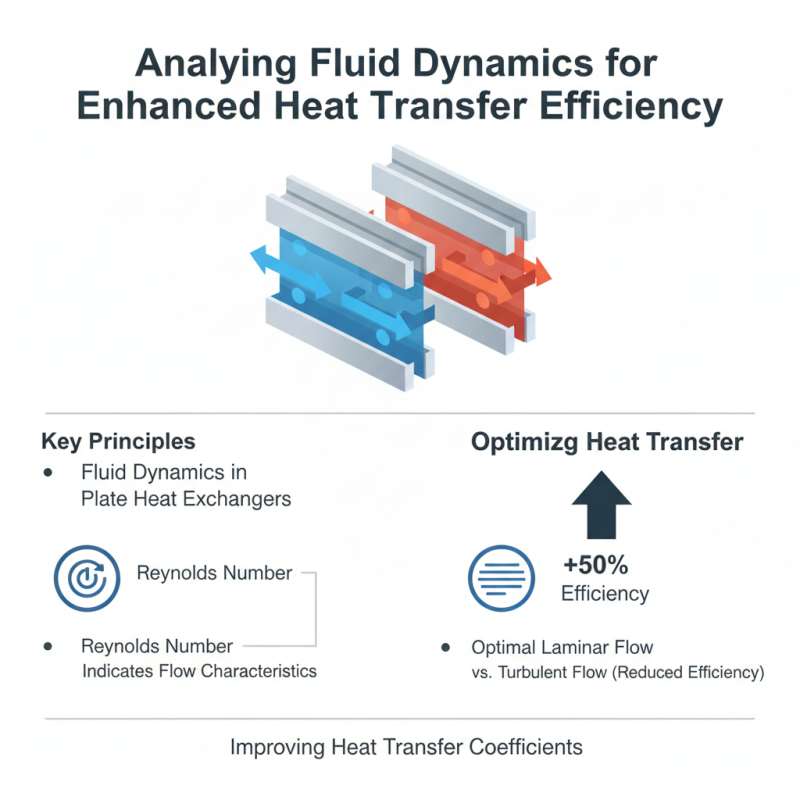
Analyzing Fluid Dynamics for Enhanced Heat Transfer Efficiency
Efficient plate heat transfer systems rely heavily on the principles of fluid dynamics. Understanding how fluids behave under various conditions can lead to significant improvements in heat transfer efficiency. For instance, the Reynolds number provides insights into flow characteristics. A study indicates that optimal flow conditions in plate heat exchangers can increase heat transfer coefficients by up to 50% compared to turbulent flow scenarios.
Velocity profiles within the plates also play a crucial role. Laminar flow can reduce energy losses, but it may not be advantageous for heat transfer. Research shows that increasing flow velocity promotes turbulence, enhancing heat transfer but also raising pressure drops. Balancing these factors is essential. The most effective systems often cycle through different flow regimes to maximize efficiency.
Another key factor is the surface area of the plates. Research highlights that increasing the surface area can enhance heat exchange rates significantly. Roughened surfaces can disrupt boundary layers, improving thermal performance. However, more surface area can lead to higher manufacturing costs and maintenance challenges. Engineers must carefully weigh the benefits against potential drawbacks. Continuous innovation in fluid dynamics simulation tools could provide deeper insights, allowing for better decisions in system design.
Maintenance Practices to Ensure Longevity and Efficiency of Systems
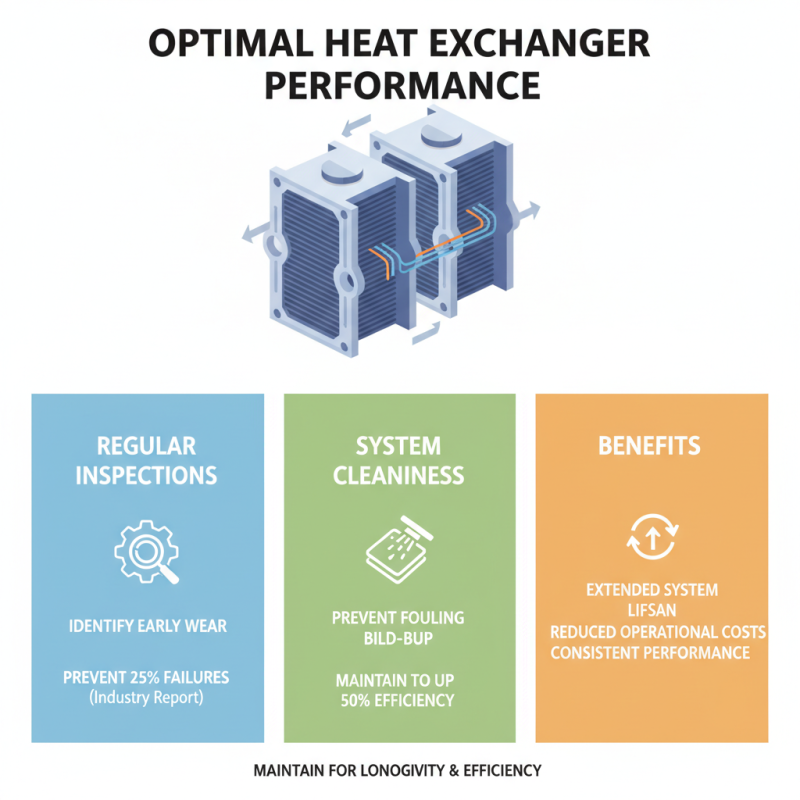
Maintaining plate heat transfer systems requires diligent practices to ensure optimal performance. Regular inspections can identify early signs of wear and tear. According to a recent industry report, 25% of heat exchangers fail due to inadequate maintenance. Keeping systems clean is crucial. Fouling can reduce efficiency by up to 50%, leading to increased operational costs.
Scheduled maintenance should include checking gaskets and seals. These components can degrade over time, impacting system efficiency. Regular replacement, suggested by experts, can prevent costly leaks and system failures. Additionally, monitoring fluid levels and temperatures can help catch potential issues before they escalate.
Training staff on operational best practices is essential. Knowledgeable personnel can recognize abnormal sounds or changes in performance. In fact, 40% of heat transfer system failures occur due to human error. Continuous training programs can address this and promote reliability. Balancing these elements contributes to the longevity of heat transfer systems.
Evaluating Thermal Performance Metrics and Industry Standards for Systems
When evaluating plate heat transfer systems, thermal performance metrics play a crucial role. Key indicators include heat transfer efficiency and pressure drop. Studies show that optimizing these metrics can increase system efficiency by 20% or more. However, achieving a balance between efficiency and pressure loss remains challenging, often requiring extensive data analysis.
Industry standards, such as those from ASME and ISO, provide invaluable benchmarks for assessing performance. They guide engineers in designing systems that meet or exceed expectations. Nevertheless, discrepancies between theoretical predictions and actual performance are common. In practice, systems often underperform due to fouling, flow maldistribution, or improper materials selection.
Continuous monitoring and data collection are essential for improving thermal performance. Real-time data helps identify inefficiencies and allows for timely adjustments. Despite high initial costs, implementing monitoring solutions can lead to long-term savings. Reflecting on these factors is vital in striving for optimal heat transfer system design and operation.
Thermal Performance Metrics of Plate Heat Transfer Systems
This bar chart illustrates the key thermal performance metrics associated with plate heat transfer systems. Metrics such as fluid velocity, heat transfer coefficient, temperature difference, pressure drop, and overall performance rating are critical for evaluating the efficiency of these systems.