Top 10 Gasketed Plate Heat Exchanger Benefits for Buyers?
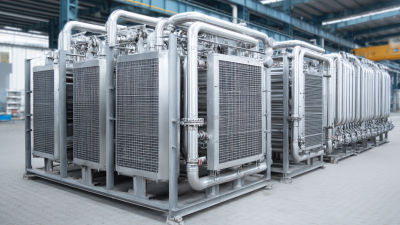
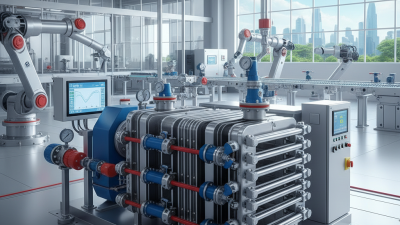
In the world of heat transfer technology, the Gasketed Plate Heat Exchanger stands out for its versatility and efficiency. These systems are not just tools; they are crucial components in various industrial applications. Their design enables effective thermal energy transfer, making them ideal for industries such as food processing, HVAC, and chemical manufacturing. Each unit is made up of thin plates that create channels for fluids to pass through, significantly enhancing heat exchange.
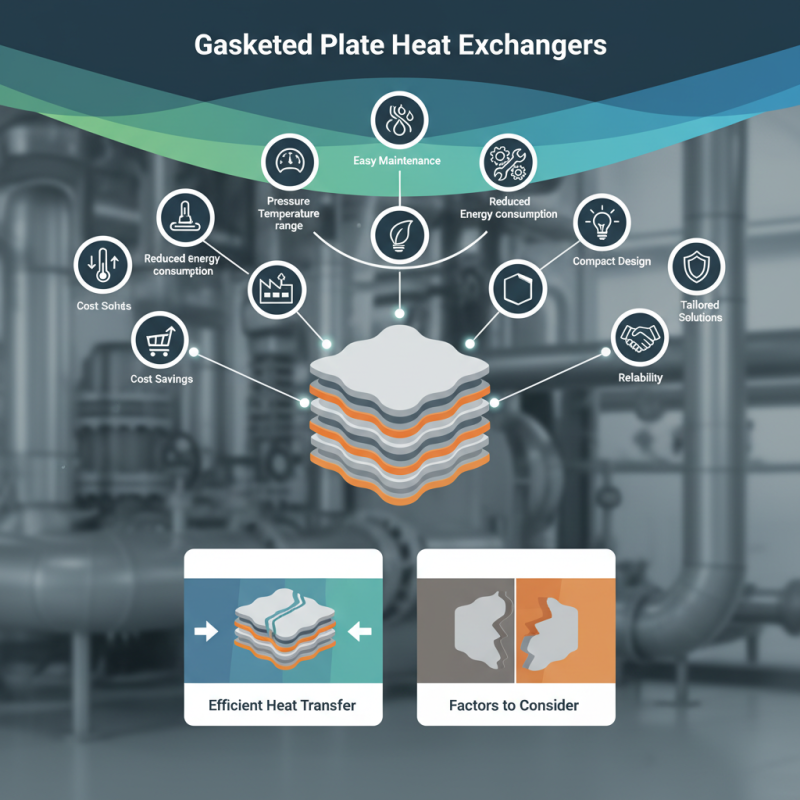
One of the notable advantages of a Gasketed Plate Heat Exchanger is its adaptability. Buyers often appreciate their ability to handle a wide range of temperatures and pressures. This flexibility is essential for businesses that require tailored solutions for specific processes. Furthermore, ease of maintenance, reduced energy consumption, and compact design contribute to their growing popularity among buyers.
However, it's important to understand that choosing the right heat exchanger involves careful consideration. Overlooking factors like material compatibility or gasket quality can lead to inefficiencies. Therefore, potential buyers should weigh the benefits against their unique requirements. The right Gasketed Plate Heat Exchanger can spark operational improvements, driving both performance and cost savings.
Understanding Gasketed Plate Heat Exchangers: An Overview
Gasketed plate heat exchangers (GPHEs) are integral in various industries. These systems effectively transfer heat between two fluids, significantly impacting energy efficiency. According to a recent industry report, GPHEs can improve energy efficiency by up to 30%. This is crucial as industries face rising energy costs and a push for sustainability.
One notable feature of GPHEs is their design flexibility. Users can configure the plates to accommodate varying flows and temperatures. This adaptability enables maximum performance under different operating conditions. Moreover, maintenance is relatively straightforward. Many models allow for easy disassembly without special tools, reducing downtime and labor costs. According to the Heat Exchange Institute, the ease of maintenance can save facilities up to 20% in operational costs.
Despite their advantages, GPHEs are not without challenges. Users must consider the potential for gasket failures. These failures can lead to leaks and reduce efficiency. Regular inspections and maintenance are essential. While GPHEs excel in many areas, ongoing monitoring is necessary to ensure optimal performance and longevity.
Enhanced Thermal Efficiency: Key Benefit Explained
Gasketed plate heat exchangers stand out for their enhanced thermal efficiency. This feature is vital in many industrial applications. With the ability to transfer heat more effectively, these systems reduce energy costs. They utilize a series of plates that create channels for fluid flow. This design maximizes surface area while minimizing the volume of the unit.
The compact nature of gasketed plate heat exchangers also contributes to their efficiency. Their lightweight structure allows for easy installation in various settings. Users often appreciate this flexibility, though proper sizing is critical. If sized incorrectly, the system may not perform as expected. Moreover, maintenance can be challenging if the plates are not easily accessible.
Despite their benefits, some users may face issues. Gaskets can wear over time, leading to potential leaks. Regular inspection is necessary to ensure reliability. Overall, while gasketed plate heat exchangers provide exceptional thermal performance, careful attention is required to maintain their efficiency and functionality.
Cost-Effectiveness: How Gasketed Plate Heat Exchangers Save Money
Gasketed plate heat exchangers are a smart choice for buyers focused on cost-effectiveness. These systems optimize heat transfer, reducing energy bills significantly. They are designed to maximize efficiency, allowing for lower operational costs compared to traditional systems. By utilizing a series of plates, they offer greater surface area for heat exchange, resulting in quicker heating and cooling processes.
Tips: Regular maintenance is vital. Keeping the plates clean can prevent heat loss, which saves money in the long run. Look for systems that are easy to disassemble. This can save on maintenance costs and time.
Another benefit lies in their flexibility. Gasketed plate exchangers can be expanded or modified easily, which means they adapt to changing operational needs. This eliminates the need for complete replacements, saving you substantial amounts. Furthermore, the materials used in these exchangers resist corrosion, prolonging their lifespan and reducing replacement frequency.
Tips: Always consider the installation environment. Ensure it is appropriate for the materials used. This can prevent premature wear and tear.
Top 10 Gasketed Plate Heat Exchanger Benefits for Buyers
| Benefit |
Description |
Cost Savings (%) |
| High Efficiency |
Increased heat transfer efficiency minimizes energy costs. |
15% |
| Compact Design |
Takes up less space than traditional exchangers, lowering installation costs. |
10% |
| Reduced Maintenance Costs |
Easily accessible for cleaning and repairs, lowering lifecycle costs. |
20% |
| Customization |
Can be tailored to specific applications, avoiding waste. |
12% |
| Versatility |
Suitable for various fluids and applications, enhancing usage efficiency. |
8% |
| Environmentally Friendly |
Reduced energy consumption leads to lower carbon footprint. |
18% |
| Low Pressure Drop |
Minimized pressure loss enhances system performance and efficiency. |
5% |
| Longer Lifespan |
Durability reduces replacement frequency, saving costs over time. |
25% |
| Enhanced Safety |
Design minimizes risk of leaks, improving operational safety. |
10% |
| Easy Replacement of Gaskets |
Simple gasket replacement extends service life without costly downtime. |
15% |
Easy Maintenance and Cleaning Procedures for Buyers
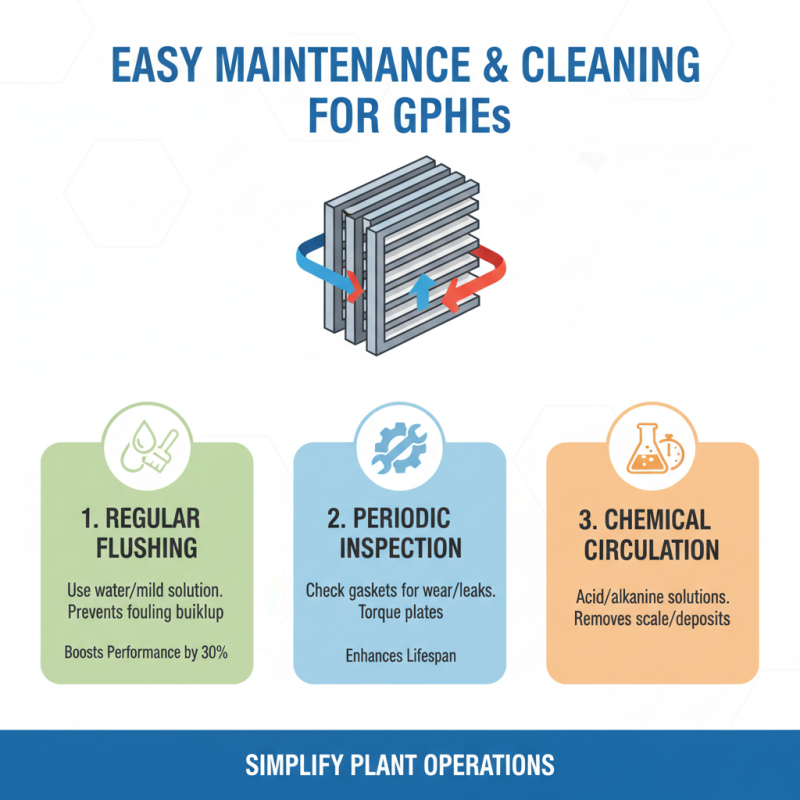
Gasketed plate heat exchangers (GPHEs) are renowned for their efficiency and compact design. One significant advantage is their ease of maintenance and cleaning. Reports indicate that regular cleaning can increase performance by up to 30%, an important metric for plant operations. With the right procedures, buyers can enhance the lifespan of their heat exchangers significantly.
Cleaning GPHEs involves a straightforward process. Detaching plates allows for thorough access, ensuring that any fouling or scaling is removed effectively. This flexibility is crucial, especially in industries like food and beverage, where cleanliness is paramount. A study showed that reducing downtime for maintenance can improve productivity metrics by at least 20%. However, not all buyers pay equal attention to these maintenance schedules, leading to some unexpected performance drops.
Another aspect of ease in maintenance is the gasket replacement. Gaskets can be replaced without extensive disassembly. Buyers often undervalue this feature. However, neglecting timely gasket maintenance can lead to leaks. Depending on the type of gasket, the replacement intervals can be anywhere from six months to several years. Understanding this can save costs in the long run while ensuring efficiency. Regular training for the maintenance staff is often overlooked, but it is vital for achieving optimal cleaning results.
Versatility in Applications: Industries That Benefit Most
Gasketed plate heat exchangers are becoming essential in various industries. They offer flexibility, making them suitable for many applications. From food processing to pharmaceuticals, their benefits are significant. Industries that need efficient heat transfer often rely on these systems. They save space and can handle high pressures and temperatures.
In the food industry, for instance, maintaining precise temperatures is critical. Gasketed plate heat exchangers efficiently manage this requirement. They ensure product quality and safety. In the pharmaceutical sector, they provide reliable heat exchange, meeting strict hygiene standards. Their design can minimize contamination risks, a common concern in these environments.
Despite the advantages, challenges exist. For example, gasket failure can lead to leaks. Regular maintenance is essential to prevent issues. Not all users may fully understand the complexity of these systems. Training staff on their operation is vital. Continuous improvement in handling these units can enhance their longevity and efficiency.