What is a Heat Exchanger in HVAC Systems?
In HVAC systems, the heat exchanger is a pivotal component. It transfers heat between two fluids, either liquid or gas. Understanding its function is vital for efficient heating and cooling. When properly designed, a heat exchanger HVAC system enhances comfort and energy efficiency.
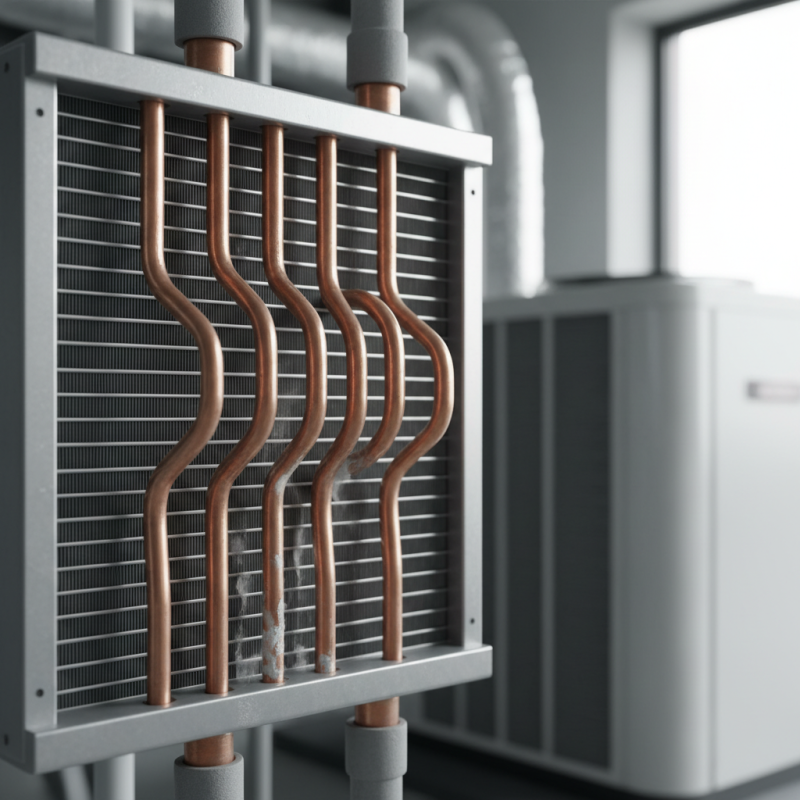
The effectiveness of a heat exchanger relies on its design and material. For instance, some use copper due to its excellent thermal conductivity. Others might utilize stainless steel for durability. Each choice impacts performance and longevity.
However, not all heat exchangers deliver ideal results. Over time, fouling can occur, reducing efficiency. Regular maintenance is essential to ensure optimal functioning. This underscores the need for reliable HVAC professionals who can address potential issues. Recognizing these nuances can improve system reliability over time.
Definition and Function of Heat Exchangers in HVAC Systems
Heat exchangers are crucial components in HVAC systems. They facilitate the transfer of heat between two or more fluids without mixing them. According to the U.S. Department of Energy, heat exchangers can enhance energy efficiency by up to 30%. This efficiency is vital in both residential and commercial settings, where energy costs can be significant.
In an HVAC system, heat exchangers can be found in air conditioners, boilers, and chillers. They function by absorbing heat from the air or water, then transferring it to another fluid. For instance, in a cooling tower, warm air is cooled through the heat exchanger, resulting in lower operational costs. Effective heat exchange can lead to a 10% decrease in energy usage, as noted in ASHRAE research.
However, while heat exchangers are efficient, they can also present challenges. Their performance may decline due to fouling or corrosion over time. Regular maintenance is essential to prevent these issues. A study published in the International Journal of HVAC&R Research suggests that maintenance can increase lifespan and efficiency, but many systems are often neglected. This gap highlights an area for improvement in HVAC management practices.
What is a Heat Exchanger in HVAC Systems? - Definition and Function of Heat Exchangers in HVAC Systems
| Dimension |
Data |
| Type of Heat Exchanger |
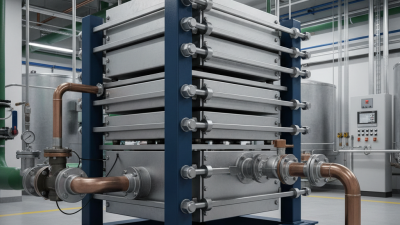
Plate Heat Exchanger |
| Common Applications |
Heating, Ventilation, and Air Conditioning (HVAC) |
| Fluid Types |
Water, Refrigerants, Oil |
| Heat Transfer Efficiency |
Up to 90% |
| Typical Temperature Range |
-40°C to 200°C |
| Material Used |
Stainless Steel, Copper, Aluminum |
| Maintenance Frequency |
Annually |
| Energy Savings Potential |
15%-30% |
Working Principles of Heat Exchangers in Temperature Regulation
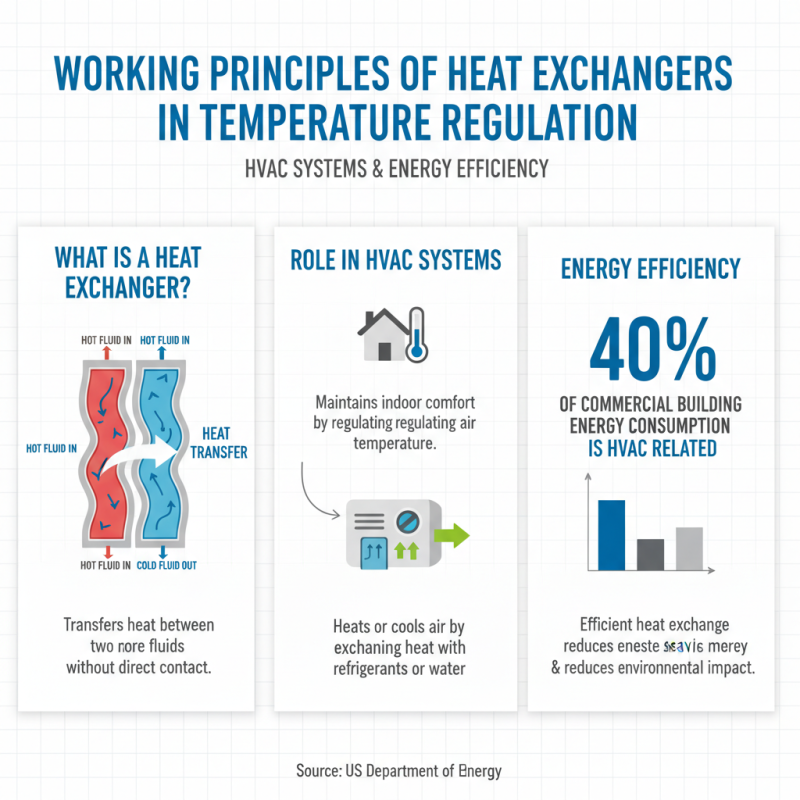
Heat exchangers play a crucial role in HVAC systems, maintaining comfort in indoor environments. These devices transfer heat between two or more fluids, aiding in temperature control. According to the U.S. Department of Energy, HVAC systems account for about 40% of energy consumption in commercial buildings. This highlights the need for efficient heat exchange technology.
The working principle of a heat exchanger involves conduction and convection. Two fluids of differing temperatures flow past each other, allowing heat to move from the hotter fluid to the cooler one. This process can significantly improve energy efficiency by reducing the energy needed for heating or cooling. Recent reports indicate that improved heat exchanger designs can enhance system efficiency by 20% or more while lowering operational costs.
However, not all heat exchangers are created equal. Design flaws or improper installation can lead to inefficiencies. Regular maintenance is vital to ensure optimal performance and longevity. A study found that up to 30% of HVAC energy consumption can be attributed to poorly maintained systems. This emphasizes the need for ongoing evaluation and enhancement in heat exchanger technologies for better environmental and economic outcomes.
Common Applications of Heat Exchangers in Building Climate Control
Heat exchangers are vital in HVAC systems, allowing efficient transfer of heat between air or liquid streams. In building climate control, they serve various applications that enhance energy efficiency and comfort. One common application is in air-to-air heat recovery ventilators. These systems capture heat from exhaust air and transfer it to incoming fresh air, improving indoor air quality without losing energy.
Another area where heat exchangers excel is in hydronic heating systems. By transferring heat from hot water to a building's heating system, they ensure consistent warmth and reduce energy consumption significantly. According to the U.S. Department of Energy, incorporating these systems can lower heating costs by up to 30%.
Tips: Regular maintenance is crucial for optimal performance. Clean the heat exchanger surfaces regularly to prevent fouling. Monitor airflow patterns to ensure even heat distribution. Upgrading to a more efficient model can yield substantial savings in the long run. Remember, proper sizing is key; oversized or undersized units may lead to inefficiencies and increased operating costs.
Maintenance and Efficiency Considerations for HVAC Heat Exchangers
HVAC heat exchangers play a critical role in temperature regulation. They transfer heat between two or more fluids, ensuring comfort in indoor environments. Proper maintenance of these components is essential for efficiency.
Regular cleaning is crucial. Dust and debris accumulate over time. This buildup can restrict airflow and reduce the system's performance. Scheduled inspections help identify issues early. They can save money on repairs and energy costs.
Efficiency also hinges on temperature control. A well-functioning heat exchanger should maintain optimal heat transfer. If temperatures fluctuate too much, adjustments are necessary. Some systems require more water treatment. Neglecting these aspects can lead to bigger problems later. Regular professional evaluations can greatly enhance system reliability.
Efficiency Ratings of Various Heat Exchanger Types