How to Maintain a Brazed Heat Exchanger for Optimal Performance?
Maintaining a Brazed Heat Exchanger is crucial for ensuring its efficiency and longevity. According to a recent report from the International Journal of Heat Exchangers, neglecting maintenance can lead to a 15% drop in performance within just a year. The expert in the field, Dr. Emily Johnson, emphasizes, "Regular maintenance is not an option; it’s a necessity for optimal operation."
Brazed Heat Exchangers are widely used due to their compact design and high thermal efficiency. However, even small issues can lead to significant performance losses. For instance, fouling can hamper heat transfer rates, causing operational inefficiencies. Many operators overlook these signs, thinking they can manage without intervention. This often results in unexpected downtimes and costly repairs.
Regular checks are needed to identify potential problems early. Simple tasks like cleaning and inspecting connections can make a huge difference. Industry metrics show that proactive maintenance can extend the lifespan of a Brazed Heat Exchanger by up to 30%. It's clear that dedication to upkeep is vital for achieving peak performance.
Understanding the Basics of Brazed Heat Exchangers
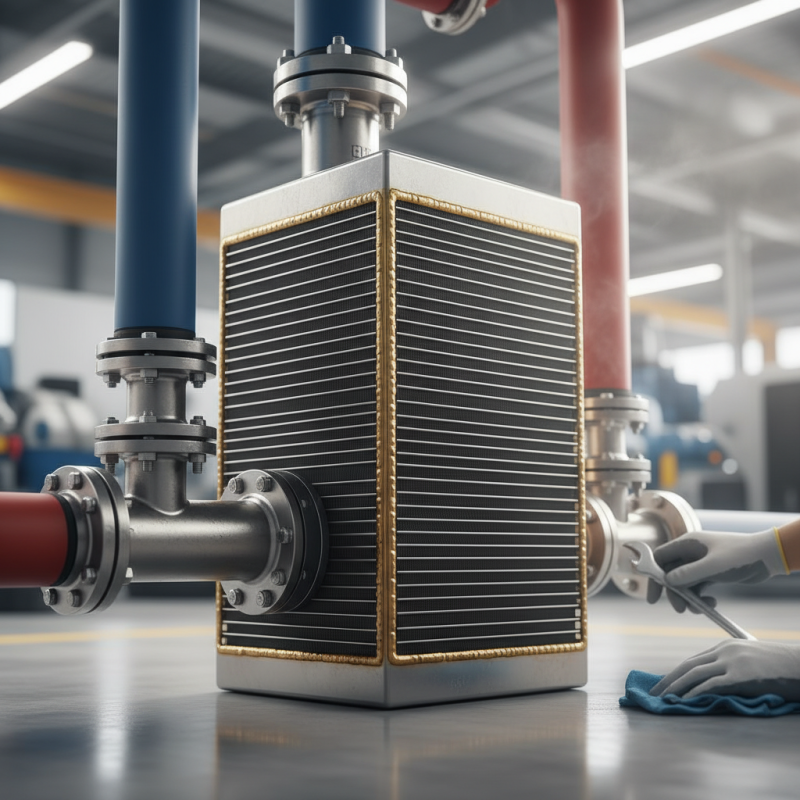
Brazed heat exchangers are crucial for many industrial processes. They are compact and efficient, yet require proper understanding for optimal function. A brazed heat exchanger consists of several plates that are fused together using a filler metal. This method enhances durability and thermal transfer efficiency.
Regular inspections are vital. Look for signs of leaks or corrosion. Sometimes, these issues can be subtle and hard to detect. Any unusual noises during operation might indicate a problem. Clean the surfaces regularly to avoid buildup that could reduce efficiency. Pay attention to the operating temperatures and pressures. They should align with manufacturer specifications.
Sometimes, maintenance can be overlooked. Operators might neglect routine checks, leading to performance issues. Understanding the basic components helps recognize when something feels off. Keeping a maintenance log can aid in tracking performance trends. Each visit to the facility should include a quick review of the heat exchanger's condition. This diligence pays off in better efficiency and longevity.
Maintenance Frequency for Brazed Heat Exchangers
Identifying Common Issues in Brazed Heat Exchangers
Brazed heat exchangers are crucial in various industrial applications. However, they can face common issues that disrupt their performance. The most widespread problem is corrosion. According to industry reports, about 40% of heat exchanger failures are attributed to material degradation. Regular checks for signs of rust can help prevent major breakdowns.
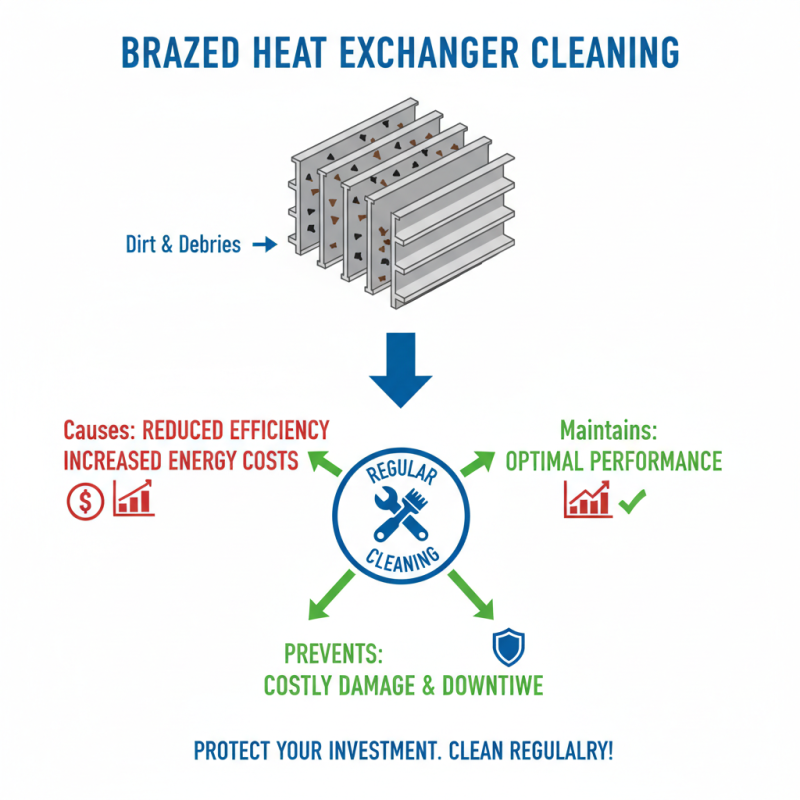
Another issue is fouling, where deposits accumulate inside the heat exchanger. This can lead to reduced heat transfer efficiency. A study indicates that as little as 1mm of buildup can decrease efficiency by 20%. It's essential to clean the unit routinely to maintain optimal function.
**Tip:** Use soft brushes or chemical cleaners for safe maintenance. Avoid abrasive materials that can scratch the surface.
Leaks also pose a serious risk. They can occur due to inadequate brazing. If neglected, leaks can escalate quickly. Ensure to inspect for any fluid spots regularly. A small leak can lead to a significant loss of performance.
**Tip:** Conduct pressure tests to identify weak spots early. This can save time and resources in the long run.
Understanding these common issues allows for proactive steps to maintain the efficiency of brazed heat exchangers.
How to Maintain a Brazed Heat Exchanger for Optimal Performance? - Identifying Common Issues in Brazed Heat Exchangers
| Issue |
Description |
Symptoms |
Maintenance Tips |
| Corrosion |
Deterioration of the materials due to chemical reactions. |
Reduced efficiency, leaks. |
Use corrosion inhibitors and conduct regular inspections. |
| Scaling |
Buildup of minerals on the heat transfer surfaces. |
Decreased heat transfer efficiency. |
Implement regular cleaning protocols. |
| Leaks |
Unexpected discharge of fluid from the exchanger. |
Visible fluid loss, pressure drops. |
Inspect connections and joints; repair or replace as needed. |
| Blockages |
Obstruction of flow due to debris or deposits. |
Reduced flow rates, temperature fluctuation. |
Regularly flush the system and check filters. |
| Thermal Fatigue |
Stress caused by temperature fluctuations. |
Cracks, failure, abnormal noises. |
Maintain consistent operating temperatures. |
Regular Maintenance Procedures for Optimal Performance
Regular maintenance of a brazed heat exchanger is crucial for its performance. This requires a systematic approach. Begin by inspecting for leaks regularly. Even small leaks can lead to significant efficiency drops. Check around the joints and seams where fluids pass through. Use a flashlight for better visibility in dark areas. If you find any leaks, it is important to address them immediately.
Cleaning the heat exchanger is another key procedure. Accumulated debris can hinder heat transfer. Schedule routine cleaning based on operational hours and environmental conditions. Use non-abrasive tools to avoid damaging the brazed surfaces. Pay attention to the flow paths. Clogged passages can lead to overheating and reduced efficiency. A thoughtful cleaning regimen can greatly enhance the performance and lifespan of the unit.
Monitoring operating temperatures is also essential. Sudden temperature spikes often indicate underlying issues. Log these readings regularly. If they deviate from normal ranges, investigate promptly. Inconsistent performance may signal a need for maintenance. While these tasks seem simple, it is easy to overlook them. Commit to a diligent maintenance routine for the best results.
Monitoring Performance Metrics for Effective Maintenance
Monitoring metrics is crucial for maintaining a brazed heat exchanger. Regular assessments enhance efficiency and longevity. Key performance indicators include pressure drop, heat transfer rate, and temperature differential.
Studies indicate a pressure drop increase of 10% can reduce efficiency by up to 25%. Keeping track of these values helps identify issues early. A temperature differential outside the normal range can signal fouling or fluid flow problems.
Regular analysis can highlight inefficiencies. However, it’s easy to overlook minor changes. Operators may assume everything is fine until a critical failure occurs. Monitoring should be consistent and thorough to avoid such oversights. Data-driven decisions can prevent costly breakdowns.