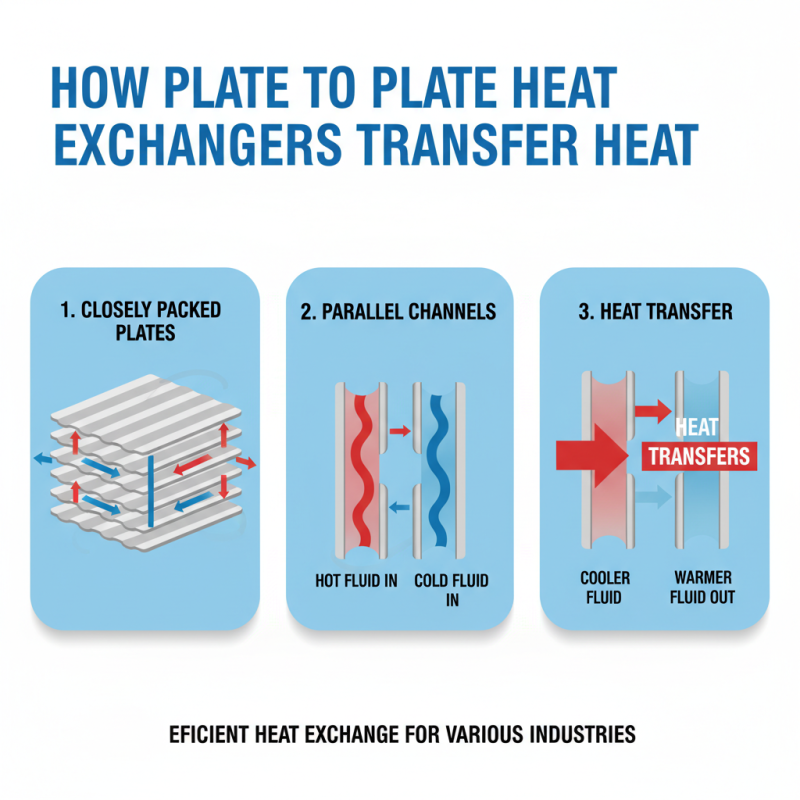
What is a Plate To Plate Heat Exchanger and How Does It Work?
A Plate To Plate Heat Exchanger is an efficient device widely used in various industries. Its design allows it to transfer heat between two fluids without mixing them. This heat transfer mechanism is essential for many applications, ranging from HVAC systems to food processing.
The structure of a Plate To Plate Heat Exchanger consists of multiple plates stacked closely together. Each plate creates a narrow channel for fluid flow. This design increases the surface area for heat exchange, improving efficiency. As fluid flows through, it cools down or heats up, depending on the desired process. Despite its efficiency, users must be aware of potential maintenance challenges.
Understanding the operation and design of a Plate To Plate Heat Exchanger can enhance reliability. Knowledge of its application helps in making informed decisions. Consulting with professionals or experts may provide guidance on optimizing usage. This awareness fosters better performance and longevity of the equipment.
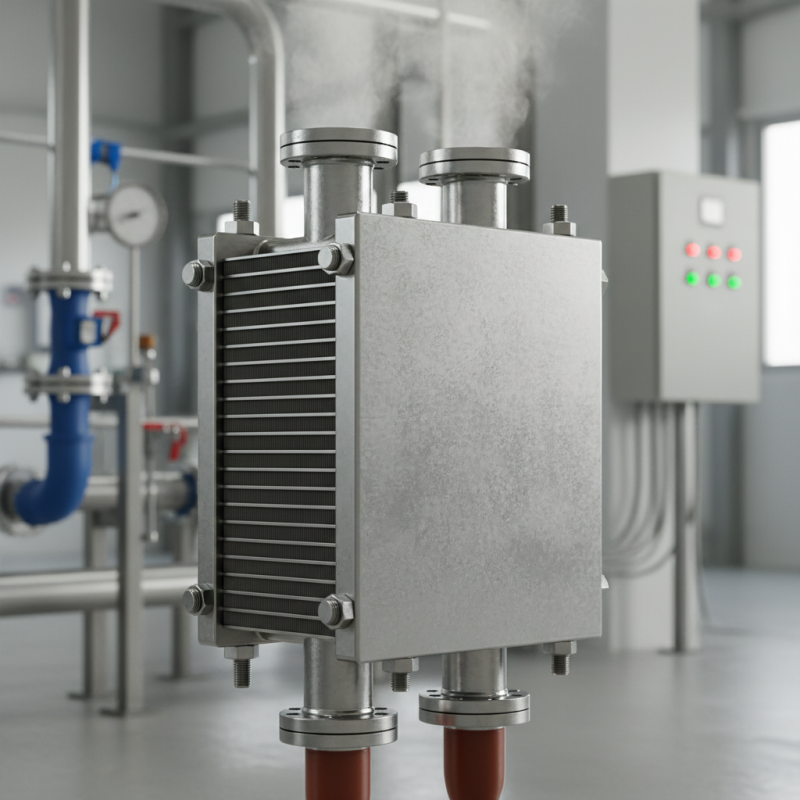
What is a Plate To Plate Heat Exchanger?
A plate to plate heat exchanger is a key component in various industrial processes. It consists of thin plates stacked together, creating channels for two fluids. These fluids flow in opposite directions. This design enhances heat transfer efficiency, making the system compact and effective.
These heat exchangers are often used in HVAC systems, food processing, and chemical industries. The plates are typically made from stainless steel or other corrosion-resistant materials. This selection ensures durability and reliability in demanding environments.
Tip: Regular maintenance can significantly improve efficiency. Check for signs of wear or fouling. Clean plates regularly to prevent any loss of heat exchange performance.
The design allows for easy customization in size and plate design. However, improper installation can lead to leaks or inefficiencies. It’s crucial to consult with experts when designing or installing these systems.
Tip: Always verify compatibility between fluids. Mismatched fluids can lead to corrosion or damage. Investing in quality control pays off in the long run.
Key Components of Plate To Plate Heat Exchangers
Plate to plate heat exchangers are vital in industries such as food processing, pharmaceuticals, and HVAC. These systems efficiently transfer heat between two fluids while preventing them from mixing. The key components of these exchangers include the plates, gaskets, the frame, and inlet/outlet connections. The plates are typically made of stainless steel or other resistant materials, allowing for high durability and heat conductivity.
The plates feature a corrugated design to enhance turbulence. This increases the surface area available for heat transfer, leading to improved efficiency. Gaskets are essential for sealing, ensuring that the two fluids remain separate. It’s important to regularly check the condition of gaskets for optimal performance. Faulty gaskets can lead to leaks and reduced efficiency.
Tip: Regular maintenance of your heat exchanger is crucial. Implement a routine inspection schedule to identify any wear or damage early on. Keeping an eye on fluid flow rates can also help detect issues before they escalate. The frame of the heat exchanger supports the plates and allows for easy access during maintenance, underscoring the importance of its robustness. Remember, the right balance of design and material choice is critical for maximizing performance in heat exchange processes.
What is a Plate To Plate Heat Exchanger and How Does It Work? - Key Components of Plate To Plate Heat Exchangers
| Component |
Description |
Material |
Purpose |
| Heat Transfer Plates |
Plates that allow heat exchange between fluids. |
Stainless Steel |
Facilitate efficient heat transfer. |
| Frame |
Structure that holds the heat transfer plates together. |
Carbon Steel |
Provides support and stability. |
| Gaskets |
Seals between plates to prevent leaks. |
Rubber or Polymer |
Ensure fluid containment and prevent cross-contamination. |
| Inlets/Outlets |
Ports through which fluids enter and exit the exchanger. |
Stainless Steel |
Facilitates fluid flow into and out of the system. |
| Support Bars |
Additional structural components that enhance stability. |
Carbon Steel |
Provide extra support to the frame. |
How Plate To Plate Heat Exchangers Transfer Heat
Plate to plate heat exchangers are essential in various industries. They transfer heat between two fluids efficiently. This process relies on closely packed plates that create channels for fluid flow. As hot fluid flows through one channel and cold fluid passes through another, heat is transferred.
The design allows for a large surface area, enhancing heat exchange efficiency. The plates are often made of stainless steel, ensuring durability and resistance to corrosion. However, maintenance can be tricky. Regular checks are necessary to prevent fouling or leaks. Over time, the performance may decline if not properly maintained.
In practical applications, these heat exchangers appear in HVAC systems and chemical processing. Their compact design saves space but requires careful installation. If done incorrectly, it can lead to inefficiencies or failures. Therefore, understanding the mechanics behind plate to plate heat exchangers is vital for optimal performance.
Advantages of Using Plate To Plate Heat Exchangers
Plate to plate heat exchangers are essential technology in many industries. They offer several advantages that make them a popular choice for thermal management. One major benefit is their high efficiency in transferring heat. The design maximizes surface area while minimizing fluid resistance. This results in better thermal conductivity and energy use.
Another advantage is their compact size. These systems occupy less space than traditional models. This allows for easier installation, especially in limited spaces. They are also easier to maintain. Most designs allow for easy access to plates for cleaning. This simplicity can reduce downtime and maintenance costs.
The flexibility of plate to plate heat exchangers is noteworthy. They can handle a variety of fluids, both hot and cold. This versatility makes them suitable for different applications, from food processing to chemical manufacturing. However, these systems can be sensitive to pressure changes. Careful monitoring is necessary to avoid damage. Overall, the benefits of plate to plate heat exchangers often outweigh these challenges.
Benefits of Plate to Plate Heat Exchangers
Common Applications of Plate To Plate Heat Exchangers
Plate to plate heat exchangers are widely used in various industries. Their compact design makes them efficient for heating and cooling applications. According to a report by Global Market Insights, the heat exchanger market is expected to surpass $25 billion by 2027. This growth stems from their diverse applications across sectors.
In the food and beverage industry, plate to plate heat exchangers are crucial. They ensure precise temperature control during processes such as pasteurization. Maintaining consistent temperatures ensures product safety and quality. In HVAC systems, these exchangers help with energy recovery. They reduce overall energy consumption, which is essential for sustainability.
However, efficiency is not always guaranteed. Maintenance issues can arise if fouling occurs. Regular cleaning and inspections are necessary to avoid performance drops. Not all systems are optimized for efficiency, prompting the need for improvement in design and application. Many facilities struggle with aging equipment, which could hinder effectiveness. Balancing cost and performance is often a challenge.