Top 5 Tips for Choosing the Right Industrial Heat Exchanger?
Choosing the right industrial heat exchanger is crucial for enhancing efficiency and reducing operating costs. These devices play a vital role in transferring heat between fluids in various industrial processes. With numerous options available, making an informed decision can be overwhelming.
Factors like material compatibility, design type, and performance efficiency come into play. It's easy to underestimate how each element impacts the overall system. An industrial heat exchanger must align with specific operational needs. This alignment often requires attention to detail and a clear understanding of process demands.
While expertise is essential, it can be a challenge to navigate the complexities of heat transfer technology. Many professionals may overlook the importance of maintenance requirements in their selection process. A well-chosen industrial heat exchanger not only improves productivity but also ensures reliability in the long run. Understanding these key aspects can pave the way for better outcomes and smarter investments.
Understanding the Role of Industrial Heat Exchangers in Processes
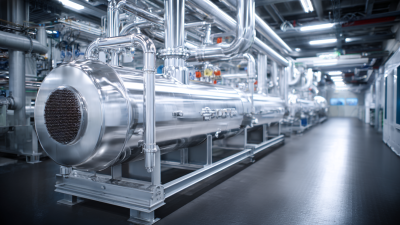
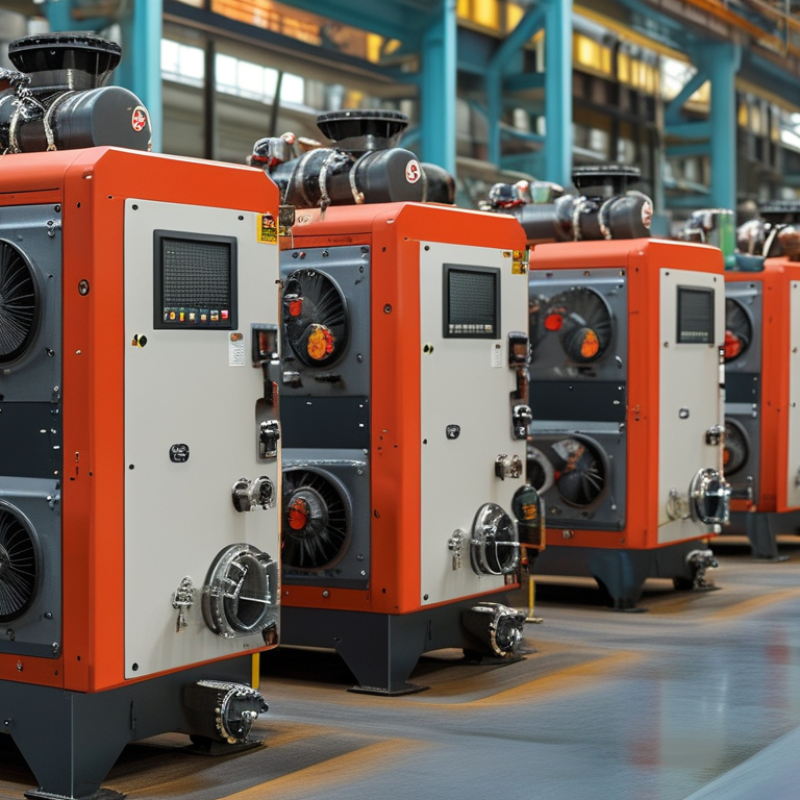
Industrial heat exchangers play a crucial role in various processes. They transfer heat between two or more fluids without mixing them. This function is vital in many industries, including chemical, petrochemical, and food processing. Effective heat exchange improves energy efficiency and ensures optimal operating conditions.
Selecting the right heat exchanger is not simply about specifications. It involves understanding the specific requirements of your process. Consider factors like temperature ranges and fluid properties. A mismatch can lead to inefficiencies or even system failures. It's common to overlook aspects like maintenance needs and installation space. These details can significantly impact performance and reliability over time.
Efficiency often relies on precise calculations and expert insights. Relying solely on software tools may not capture all nuances. Practical experience is essential in making informed choices. Engaging with professionals who have dealt with these systems can provide valuable perspectives. Their insights can help avoid common pitfalls and enhance system performance. Always question your assumptions and be open to reevaluating your choices. Embracing continuous learning is key in this dynamic field.
Key Factors to Consider When Selecting a Heat Exchanger Type
When selecting an industrial heat exchanger, several key factors must be considered. The type of heat exchanger can impact efficiency, energy consumption, and cost. According to recent industry reports, selecting the right type can improve thermal efficiency by up to 20%. This emphasizes the importance of making informed choices.
Material compatibility is crucial. Heat exchangers must withstand specific temperatures and pressures. If the materials do not match, it may lead to equipment failure. For example, using carbon steel in a corrosive environment can cause premature damage. Additionally, consider the maintenance requirements. Some designs require more upkeep, which can add to operational costs over time.
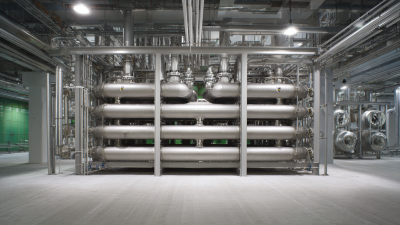
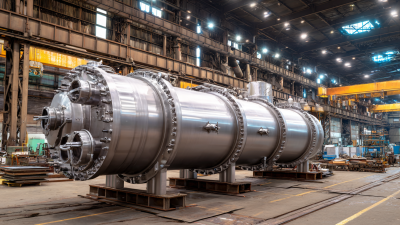
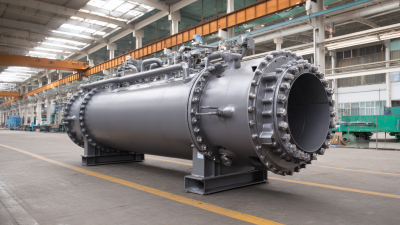
Finally, pay attention to the application specifics. Different processes may need distinct configurations. For instance, a shell-and-tube design is often used in oil refineries, while plate exchangers are preferred in food processing. It is essential to match the heat exchanger design with operational needs for optimal performance. Making a choice without these considerations can result in inefficiencies or even hazardous situations.
Evaluating Material Compatibility for Heat Exchanger Applications
When selecting an industrial heat exchanger, evaluating material compatibility is crucial. The materials in contact with the process fluids must withstand various conditions. High temperatures and corrosive environments can cause rapid deterioration. For example, a heat exchanger made of stainless steel performs well in many settings. However, in acidic environments, it may not last long.
It's essential to analyze the specific fluids involved. Different materials react differently. For instance, copper can corrode in certain acids, while titanium offers excellent resistance but at a higher cost. Conducting a compatibility test for the intended application is an often overlooked step.
Collaboration with experts in material science can yield valuable insights. Many suppliers possess resources to help with material selection. It is also advisable to review case studies similar to your application. Past experiences in high-stress environments can illuminate potential pitfalls.
Ignoring material choices can lead to unexpected failures and costly downtime.
Assessing Efficiency and Performance Metrics for Your Needs
When selecting an industrial heat exchanger, efficiency is paramount. Understanding performance metrics can dramatically influence your decision. Different applications require various heat transfer coefficients. Conduct a thorough analysis of the specific thermal dynamics involved in your process. This will guide you in choosing a unit that meets your demands.
Consider factors such as flow arrangement and material compatibility. Each heat exchanger type has unique advantages. For instance, shell-and-tube units often excel in high-pressure applications. However, they may not be as efficient in compact spaces. Analyzing these performance parameters enables you to balance size with heat transfer performance.
While specifications provide valuable insights, real-world testing can be more telling. Look for user reviews or seek advice from seasoned engineers. These sources may reveal hidden issues or benefits that specifications overlook. It’s crucial to assess feedback carefully. An informed choice can enhance system reliability and reduce downtime. Aim for a solution that aligns closely with your operational needs, even if it means reevaluating initial preferences.
Budgeting and Cost Analysis for Industrial Heat Exchanger Investment
When considering an investment in industrial heat exchangers, budgeting plays a pivotal role. According to a recent industry analysis, the average cost of a standard heat exchanger ranges from $5,000 to $100,000. This wide variance reflects differences in materials, design, and capacity. Understanding these factors is essential for a clear cost breakdown.
Cost analysis should also include maintenance and efficiency. Many heat exchangers require regular servicing. Neglecting this can lead to higher operational costs. Furthermore, an efficient unit can save significant amounts in energy. A study showed that energy savings with modern heat exchangers can exceed 30% compared to older models. Investing in a more efficient unit may raise initial costs but can lead to long-term savings.
Consideration of lifespan and replacement costs is also critical. Most heat exchangers last between 10 to 20 years. Financial forecasts should account for potential future replacements or upgrades. Many facilities underestimate these figures, leading to budget shortfalls. Evaluating the total cost of ownership will provide a comprehensive view of the necessary investment.