Top 10 Heat Exchanger Parts You Need to Know for Global Sourcing?
In today's competitive market, understanding Heat Exchanger Parts is crucial for effective global sourcing. These components play a vital role in thermal management across various industries. From oil and gas to HVAC systems, knowing your parts can make a significant impact on efficiency and reliability.
Expertise in Heat Exchanger Parts is not just for engineers. Business owners and procurement teams must also grasp the key elements involved. Common parts include tubes, plates, and gaskets, each serving a unique purpose. Poor selection can lead to costly failures. A sourcing strategy based on in-depth knowledge can mitigate this risk.
As you explore the top ten parts, consider potential challenges like quality control and supplier reliability. Not all manufacturers meet rigorous standards. Research and experience in sourcing can lead to better decision-making. Emphasizing these aspects will improve your procurement processes and enhance overall operational performance.
Understanding Heat Exchanger Types: Key Characteristics and Applications
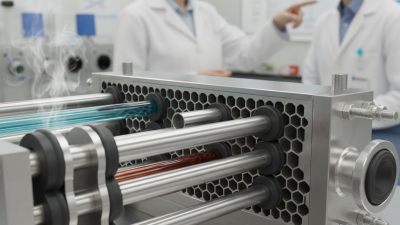
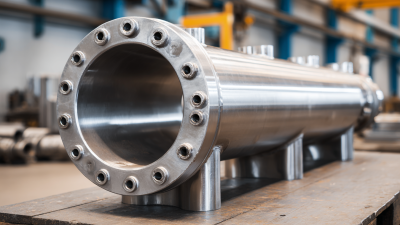
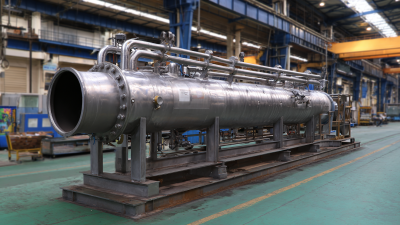
Heat exchangers play a crucial role in energy transfer across various industries. Understanding the types of heat exchangers available is essential for effective global sourcing. Two common types include shell-and-tube and plate heat exchangers. Shell-and-tube units feature a series of tubes, providing large surface areas. This design is reliable in high-pressure environments. Plate heat exchangers, on the other hand, consist of thin plates stacked together. They are more efficient for smaller spaces and easier to clean.
The choice of heat exchanger depends on specific applications. For instance, according to a recent report by the Global Heat Exchanger Market Analysis, the industry is expected to grow at a CAGR of 5.6% from 2023 to 2030. This indicates a rising demand for energy-efficient systems. Furthermore, the right materials in heat exchanger design can significantly impact durability and efficiency. Copper and aluminum are popular for their excellent thermal conductivity.
Despite their advantages, heat exchangers have limitations. They require regular maintenance to prevent fouling and ensure optimal operation. Also, selecting improper types can lead to inefficiencies. Understanding these complexities is essential when making sourcing decisions in the global market. Each application demands a tailored approach, taking into account specific operational challenges and performance requirements.
Top 10 Heat Exchanger Parts You Need to Know for Global Sourcing
| Part Name |
Type |
Material |
Application |
Key Characteristics |
| Tubes |
Shell and Tube |
Stainless Steel |
Oil Refineries |
High pressure resistance |
| Plates |
Plate Heat Exchanger |
Titanium |
Food Processing |
Compact design |
| Gaskets |
Plate Heat Exchanger |
EPDM Rubber |
HVAC Systems |
Thermal efficiency |
| Casing |
Air Cooled |
Carbon Steel |
Power Plants |
Durable construction |
| Fins |
Fin Tube |
Aluminum |
Refrigeration |
Enhanced heat transfer |
| Baffles |
Shell and Tube |
Stainless Steel |
Chemical Processing |
Flow direction control |
| Shell |
Shell and Tube |
Carbon Steel |
Oil & Gas |
Robust design |
| Headers |
Shell and Tube |
Stainless Steel |
Power Generation |
Flow distribution |
| Nozzles |
Shell and Tube |
Alloy Steel |
Marine Applications |
Pressure balancing |
Essential Materials for Heat Exchanger Construction and Their Properties
Heat exchangers are crucial in various industries, ensuring efficient thermal energy transfer. The materials chosen for their construction significantly affect performance and durability. Common materials include stainless steel, copper, and titanium, each with unique properties that impact heat exchange efficiency. According to industry reports, stainless steel is preferred for its strength and corrosion resistance, while copper excels in thermal conductivity.
The evolution of these materials reveals ongoing challenges. Stainless steel, while robust, can face issues with pitting corrosion in certain environments. Copper's excellent thermal properties come with a higher price tag. Titanium offers exceptional resistance to corrosion, particularly in aggressive conditions, but it can be expensive to implement. A recent study indicated that material selection can affect energy efficiency by up to 30%, showcasing the importance of informed sourcing decisions.
Material properties directly influence maintenance and lifecycle costs. The right choice reduces downtime and operational expenses. Buyers must also consider localized corrosion mechanisms that may not be apparent during initial assessments. Careful evaluation of these properties, coupled with trends in global sourcing, can enhance the reliability of heat exchangers in the long run. The quest for the ideal material continues, reflecting the complexity of achieving optimal performance under varying conditions.
Common Heat Exchanger Components and Their Functions Explained
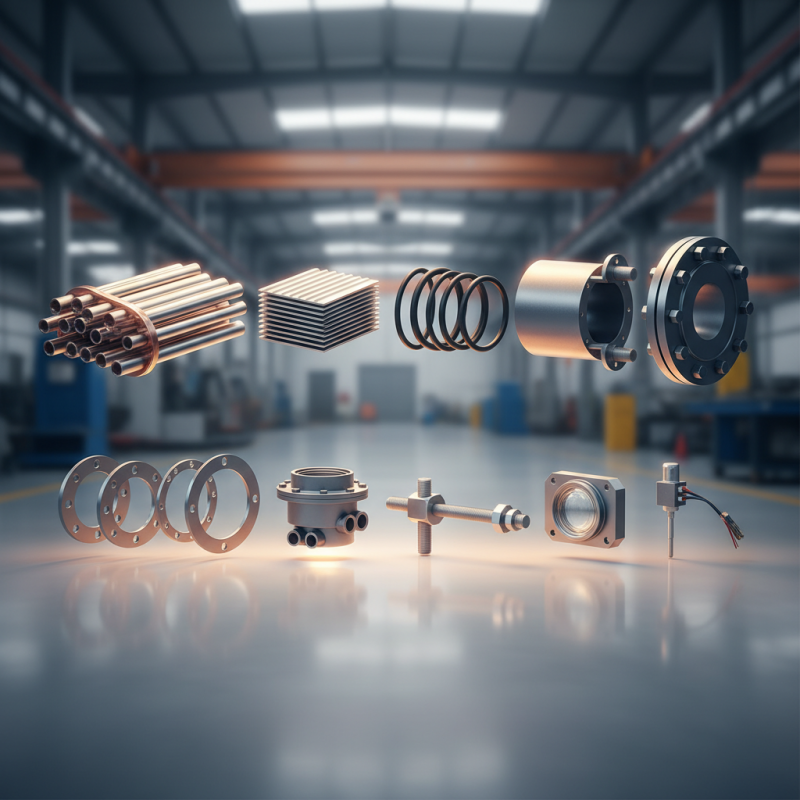
Understanding the components of heat exchangers is crucial for effective global sourcing. The key parts include tubes, fins, and gaskets.
Tubes are essential for heat transfer. They carry fluids that absorb or release heat. Fins enhance surface area, allowing for more efficient heat exchange. Gaskets ensure airtight seals between components, preventing leakage.
Each part plays a specific role in performance. For instance, tube materials must withstand high temperatures and pressures. Not all materials are suitable for every application. You must consider corrosion resistance and thermal conductivity. Gaskets differ in material according to chemical compatibility. Improper selection could lead to failures.
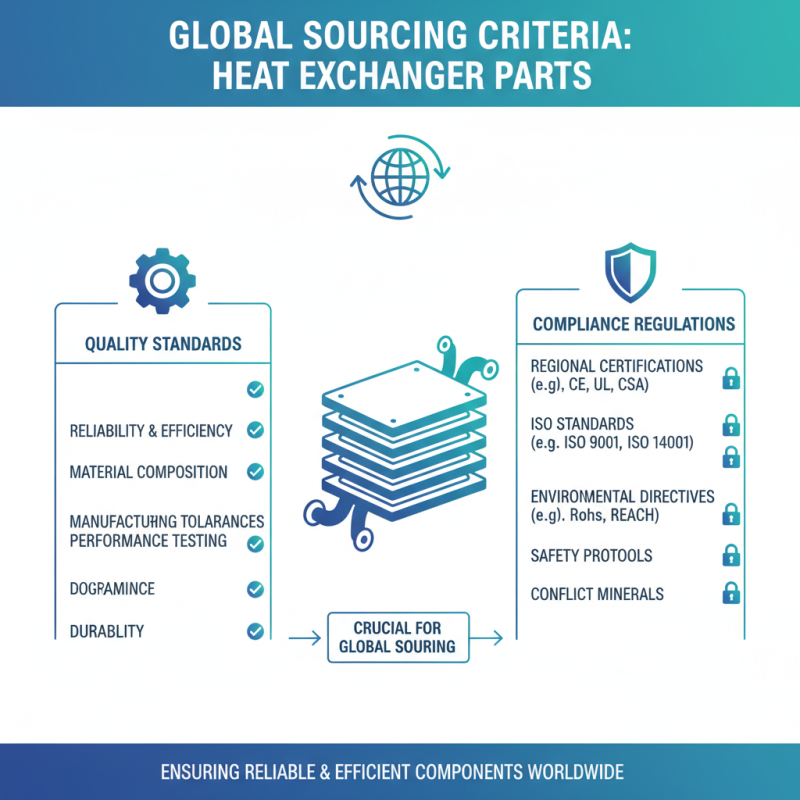
Details matter in sourcing. Consider certifications for quality assurance. Evaluate suppliers based on their expertise and reliability. Experience counts, but so does product knowledge. Learning from past mistakes can refine your process. Sourcing heat exchanger parts requires careful thought and understanding.
Market Trends: Demand and Supply Dynamics in Heat Exchanger Industry
The heat exchanger industry is witnessing dynamic shifts due to fluctuating demand and supply. Several factors influence these trends. Increased industrialization and energy efficiency demands drive the need for heat exchangers in various sectors. Both manufacturing and energy industries rely heavily on effective heat transfer solutions, creating a consistent market demand.
However, challenges persist. Global supply chain disruptions have made sourcing components more complex. Manufacturers confront delays and increased costs, which complicate production schedules. Quality standards must also be maintained, requiring reliable sourcing of parts. This affects not only production but also overall trust in manufacturers.
Regional disparities impact supply and demand dynamics significantly. For instance, emerging markets exhibit high growth potential. However, they also face infrastructure challenges that can hinder the efficient sourcing of heat exchanger parts. Fluctuating raw material prices add another layer of uncertainty. As these trends evolve, industry stakeholders must adapt to navigate the complexities of global sourcing successfully.