China Top 10 Heat Exchanger Parts Manufacturers?
China’s heat exchanger industry has become a major sourcing base for industrial, commercial, and energy projects. Its manufacturers supply plates, tubes, shells, gaskets, fins, headers, baffles, and complete replacement assemblies. Yet product quality can vary widely.
This article examines China’s Top 10 Heat Exchanger Parts Manufacturers through practical purchasing criteria. These criteria include material traceability, machining accuracy, pressure testing, welding controls, delivery performance, and after-sales support. We also consider experience with stainless steel, titanium, nickel alloys, copper, and carbon steel. These details matter when a small gasket failure can stop an entire production line.
Professor Sadık Kakaç, a leading heat transfer scholar, wrote, “The design of a heat exchanger is a compromise between thermal performance, pressure drop, size, and cost.” That principle also applies to Heat Exchanger Parts. A cheaper tube bundle may reduce the initial budget. It may also create higher maintenance costs later.
The selected companies should not be judged by advertising alone. Factory audits, sample inspections, material certificates, dimensional reports, and pressure-test records provide stronger evidence. Certifications help, but they do not replace technical verification. This is where buyers often make mistakes.
No ranking can fit every project. A manufacturer serving food processing may not suit a refinery. A supplier with excellent plates may lack reliable titanium tube expertise. Readers should therefore treat this list as a research starting point, not a final purchasing decision. Some information may change as factories expand, staff change, or certifications expire. Careful checking remains necessary.
What Are Heat Exchanger Parts and Why Do They Matter?
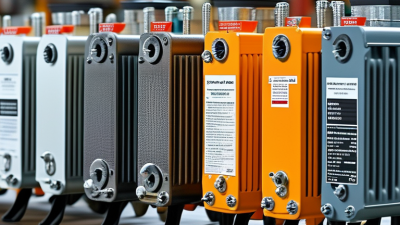
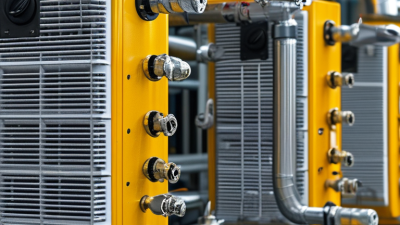
Heat exchanger parts are the working pieces that move heat safely between fluids. Common components include plates, tubes, headers, gaskets, baffles, seals, and mounting frames. Each part controls flow, pressure, alignment, or separation inside the equipment. A small gasket may prevent thousands of liters from mixing. That detail matters.
In practical maintenance, technicians inspect tube walls for thinning, plate surfaces for scale, and gasket edges for hardening. Fouling reduces heat transfer and increases energy use. Poorly aligned tubes can create vibration, leaks, and uneven flow. Material choice also matters because hot water, steam, oil, and corrosive fluids behave differently. Stainless steel may resist one fluid but fail in another condition.
Reliable replacement requires more than matching dimensions. Engineers check temperature, pressure, fluid chemistry, flow rate, and cleaning methods. They also review drawings, inspection records, and applicable safety requirements. A part that fits may still perform badly. This is where many purchasing decisions become too simple. I would not treat a longer service life as guaranteed, because maintenance quality and operating changes can alter results. Regular inspection remains essential, especially around joints, welds, and high-stress areas. Small signs often appear before serious damage.
How to Evaluate China’s Heat Exchanger Parts Manufacturers
Evaluating China’s heat exchanger parts manufacturers requires more than comparing prices. Start with material control. Ask for heat-transfer tube certificates, alloy grades, hardness records, and batch traceability. A reliable supplier should connect each component to a production record. Check whether dimensions match your drawings, especially tube diameter, wall thickness, flange position, and gasket seating surfaces.
Factory experience matters. Request samples before placing a large order. Inspect weld penetration, surface finish, burr removal, and cleanliness inside the parts. Pressure testing should include clear procedures, test pressure, holding time, and recorded results. Do not accept a simple “passed” statement. Review calibration dates for gauges and testing equipment. If possible, arrange an independent inspection before shipment. Small mistakes can become expensive leaks.
Communication reveals technical maturity. Ask how the manufacturer handles drawing changes, rejected parts, packaging damage, and late material delivery. Their answers should be specific, not decorative. A factory audit can show organized workshops, but appearance is not proof of consistent quality. Production records and repeat samples matter more. Some suppliers may provide impressive certificates while missing basic dimensional controls. This is easy to overlook. Compare three production batches, not one perfect sample, and document every assumption before approval.
China’s Top 10 Heat Exchanger Parts Manufacturers
China’s Top 10 Heat Exchanger Parts Manufacturers are often judged by more than production volume. Reliable suppliers typically provide tube sheets, baffles, gaskets, headers, seals, and custom fittings for industrial heat exchangers. Their workshops usually show CNC machining, pressure testing, material traceability, and controlled welding areas. These details matter when equipment faces high temperatures, vibration, or corrosive fluids. A strong manufacturer should also explain tolerances clearly and provide inspection records with each shipment.
The top ten should be compared through practical evidence, not attractive claims. Check stainless steel grades, dimensional accuracy, surface finish, and replacement compatibility. Ask whether the supplier has experience with shell-and-tube, plate, air-cooled, or high-pressure systems. Good technical teams review drawings before production and identify weak points early. Some suppliers may still provide incomplete certificates or slow engineering replies. That deserves careful attention. A lower price can hide costly fitting problems later.
Tips:
Request a sample part and a full material certificate. Confirm pressure-testing methods before ordering. Review packaging, because thin seals and machined edges can be damaged during transport. Ask for realistic lead times, not optimistic promises. If possible, inspect one production batch or use an independent quality check. Even experienced buyers can overlook gasket compression or bolt-hole alignment. Small errors become serious during installation.
Key Products and Capabilities of the Top Manufacturers
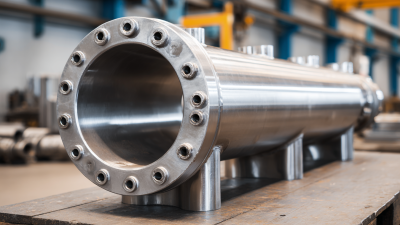
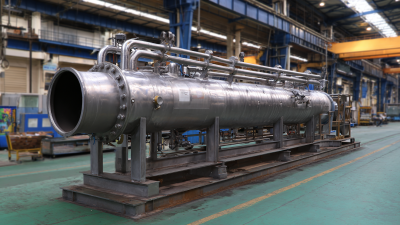
China’s top ten heat exchanger parts manufacturers typically compete through product depth, testing discipline, and customization. Their key products include stainless steel plates, titanium plates, gaskets, welded plate packs, copper tubes, finned tubes, headers, shells, and aluminum brazed cores. Several suppliers also produce distributors, seals, expansion joints, and replacement tube bundles for industrial maintenance.
Global Market Insights estimated the heat exchanger market above USD 20 billion in 2023. It also projected annual growth exceeding 5% through 2032. This demand favors manufacturers with scalable production and documented quality control. Leading Chinese suppliers commonly use CNC machining, vacuum brazing, laser welding, and automated gasket pressing. Their capabilities often include hydrostatic testing, helium leak detection, dimensional inspection, and material traceability. Some facilities support pressure ratings above 30 bar, depending on design and certification requirements.
Details matter. A gasket groove only slightly outside tolerance can cause leakage after thermal cycling. Poor tube expansion may reduce heat transfer and increase maintenance costs. The International Energy Agency identifies industrial efficiency and waste heat recovery as important energy-saving opportunities. Manufacturers therefore need more than low prices. They need thermal design support, corrosion-resistant materials, stable lead times, and clear inspection records. Not every supplier deserves equal confidence. Factory audits and sample testing remain essential, especially when published specifications appear incomplete.
China Top 10 Heat Exchanger Parts Manufacturers? – Key Products and Capabilities of the Top Manufacturers
Material selection is a core capability in heat exchanger parts manufacturing. The chart compares the typical room-temperature thermal conductivity of commonly used materials for tubes, plates, fins, shells, headers, and other components.
Copper and aluminum provide high thermal conductivity for compact heat transfer surfaces, while carbon steel, stainless steel, and titanium are selected when strength, corrosion resistance, pressure resistance, or chemical compatibility is more important. Values are approximate reference data at about 20°C and are not company-specific rankings.
How to Compare Suppliers and Choose the Right Manufacturer
Choosing among China’s top ten heat exchanger parts manufacturers requires more than checking production volume. A polished website proves little. Compare each supplier’s experience with your exchanger type, such as shell-and-tube, plate, or air-cooled systems. Ask for drawings, material certificates, dimensional records, and pressure-test reports. Copper, stainless steel, titanium, and aluminum require different forming and welding controls. The supplier should explain these differences clearly, not hide behind general claims.
Request a sample or small trial order before signing a large contract. Check tube sheets, gaskets, baffles, nozzles, and seals against your approved drawings. During a factory audit, observe machining accuracy, cleanliness, storage conditions, and inspection equipment. Traceability matters. Each batch should connect to a material heat number and inspection record. Compare lead times using real production schedules, not attractive promises. A reliable manufacturer also explains tooling costs, packaging, replacement procedures, and after-sales support in writing.
Price still matters, but the lowest quotation may contain thinner materials or limited testing. Ask whether the offer includes inspection, export packing, and documentation. I have seen comparison tables look convincing while ignoring delayed responses and unclear engineering changes. That weakness is easy to miss. Use a scored evaluation sheet covering quality, technical support, capacity, communication, and total cost. Leave room for uncertainty. A supplier may meet every document requirement yet struggle with urgent revisions. Small warning signs deserve attention.