Top 10 Heat Exchanger Parts Every Buyer Should Know?
In the world of industrial systems, understanding the components of heat exchangers is crucial. Heat exchanger parts play a vital role in ensuring efficiency and reliability. Every buyer should be familiar with these components, as they directly impact performance.
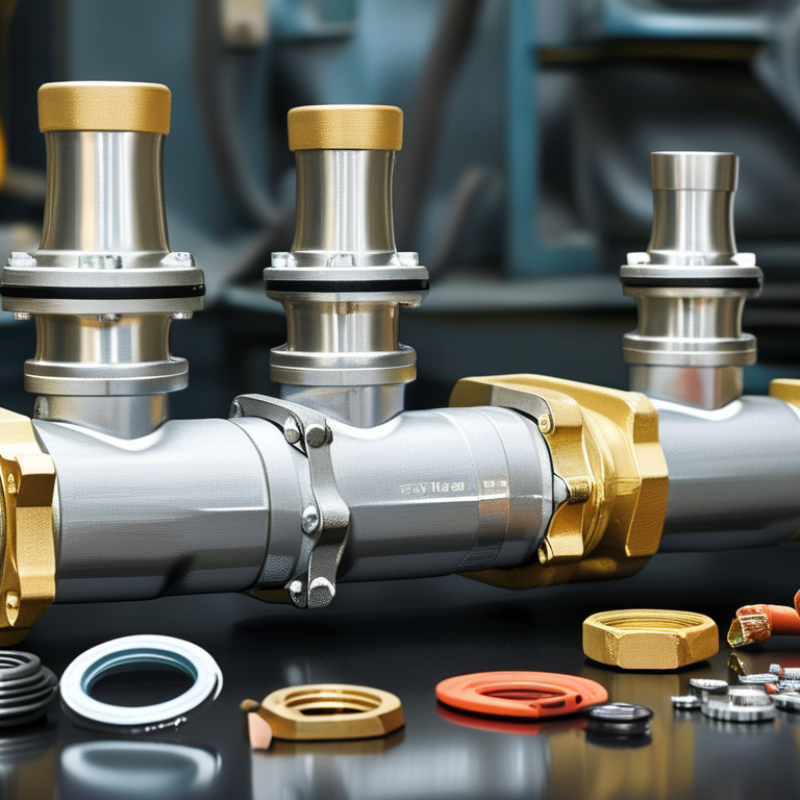
While many focus on the overall system, neglecting specific parts can lead to inefficiencies. For instance, gaskets and tubes are often overlooked yet essential for preventing leaks. This oversight can be costly and frustrating for operators. Knowing the right specifications and materials is key.
Moreover, selecting the proper heat exchanger parts is not just about quality; it's about compatibility. Mismatched components can lead to system failures and increased downtime. Buyers need to invest time in understanding their needs, as each application is unique. This familiarity is crucial for making informed decisions.
Common Types of Heat Exchangers and Their Components
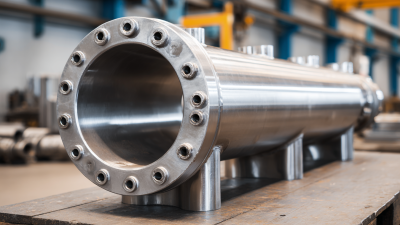
Heat exchangers play a key role in various industries, from HVAC to chemical processing. Understanding their common types and vital components is essential for buyers. Shell-and-tube heat exchangers are often the most familiar. They consist of a series of tubes, allowing one fluid to pass through the tubes while another flows around them. This design makes maintenance manageable.
Another widely used type is the plate heat exchanger. Its plates are thin and offer a large surface area for heat transfer. They can be disassembled easily for cleaning. However, their gaskets may wear out over time, leading to leaks. Knowing these details helps buyers make informed choices.
Lastly, air-cooled heat exchangers are prevalent in outdoor environments. They use air to disperse heat, which can be more cost-effective than liquid cooling. Regular inspection is often overlooked, yet essential. Missing out on these checks can result in significant efficiency losses. Buyers should prioritize understanding these components to ensure effective operation and longevity.
Essential Materials for Heat Exchanger Construction: Corrosion Resistance Data
When selecting materials for heat exchangers, corrosion resistance is key. Different environments can dramatically affect the materials' longevity. Stainless steel, for example, often stands out due to its high resistance to corrosion. Its durability makes it a common choice in various industries. However, it’s not without its limitations, especially in highly acidic or basic conditions.
Copper is another material option, known for its excellent thermal conductivity. It performs well in moderate environments. Yet, its susceptibility to corrosion in specific settings raises concerns. Buyers should be aware of the specific conditions in which their heat exchangers will operate.
Choosing the right material involves carefully evaluating operational environments. It's vital to analyze how different substances might react. Sometimes, ongoing maintenance can uncover unexpected corrosion issues. Further research into alternative alloys or coatings may also offer solutions. Striking the right balance between cost and performance is essential. Every situation may call for a different, nuanced approach to material selection.
Top 10 Heat Exchanger Parts Every Buyer Should Know
Key Performance Metrics for Heat Exchanger Efficiency and Maintenance
Heat exchangers play a crucial role in various industries, significantly impacting energy efficiency and overall performance. Key performance metrics are vital for assessing their efficiency. One critical metric is the Overall Heat Transfer Coefficient (U-value), which varies depending on the fluids involved and their temperature differences. Data suggests that optimizing the U-value can improve efficiency by up to 30%. Regular monitoring can reveal inefficiencies and guide necessary adjustments.
Another important metric is the pressure drop across the heat exchanger. Excessive pressure loss can indicate fouling or scaling. According to industry reports, even a minor increase in pressure drop can elevate energy consumption by around 5%. Maintenance practices such as regular cleaning and inspection can mitigate this issue. However, many operations fail to invest in preventive care, often leading to more severe inefficiencies.
Additionally, temperature approach—measuring the difference between inlet and outlet temperatures—is essential. A closer approach signifies higher thermal performance. Many facilities overlook this, leading to suboptimal operations. A consistent approach encourages proactive adjustments before major performance declines occur. Emphasizing these metrics fosters a more reliable and efficient operation.
Understanding the Role of Gaskets and Seals in Optimal Heat Transfer
Gaskets and seals play a crucial role in the efficiency of heat exchangers. They ensure that fluids do not leak and maintain the pressure within the system. This is vital for optimal heat transfer, as any leakage can lead to reduced performance. According to industry reports, subpar sealing can result in energy losses up to 20%. Understanding the materials used for gaskets is essential for making informed choices.
Rubber, PTFE, and metal are popular options for gaskets. Each material has distinct properties affecting durability and thermal conductivity. For example, PTFE gaskets offer excellent chemical resistance but may not withstand high pressures as effectively as metal options. Always consider the specific application when selecting a gasket.
Tip: Regularly inspect gaskets and seals for wear and tear. Early detection of issues can save costs later. Avoiding delayed maintenance can prevent major failures.
Moreover, the installation of gaskets requires precision. Improper installation can compromise the entire heat exchange process. Inadequate compression or misalignment can lead to serious inefficiencies. Always ensure that surfaces are clean and debris-free before installation.
Tip: Consult with experts on installation practices. Their insights can guide you toward achieving the best performance from your heat exchanger.
Safety Standards and Regulatory Compliance in Heat Exchanger Design
Safety standards and regulatory compliance are critical in heat exchanger design. Proper adherence to these guidelines ensures the safety and efficiency of heat exchangers. Engineers must understand local and international laws affecting design and manufacturing. Compliance with these regulations often involves meticulous documentation and rigorous testing.
Heat exchangers are often subject to pressure testing and thermal performance evaluations. Failure to meet these standards can lead to catastrophic failures. Each part of a heat exchanger, from gaskets to welds, must be thoroughly vetted for safety. Oversights in any component can result in leaks or malfunctions, posing risks to personnel and equipment.
Designers frequently face challenges in achieving compliance while also considering innovation. New materials and technologies may push established boundaries. However, experimenting without a thorough understanding of existing standards can be detrimental. It is essential to strike a balance between creativity and stringent safety protocols. Continuous education and training in standards can enhance proficiency in designing compliant heat exchangers.
Top 10 Heat Exchanger Parts Every Buyer Should Know
| Part Name |
Function |
Material |
Safety Standards |
Regulatory Compliance |
| Tube |
Heat transfer medium |
Copper |
ASME IX |
ISO 9001 |
| Shell |
Encases the tubes |
Carbon Steel |
API 650 |
ASME B31.3 |
| Baffle |
Creates turbulence |
Stainless Steel |
TEMA Standards |
EN 13445 |
| End Caps |
Seals the heat exchanger |
Aluminum |
ASME Section VIII |
BSEE Regulations |
| Gaskets |
Prevents leaks |
Rubber |
FDA Standards |
ISO 14001 |
| Support Rods |
Structural support |
Steel |
ANSI/ASME Standards |
NACE Compliance |
| Inlet/Outlet Headers |
Fluid entry/exit points |
Stainless Steel |
ASME Section IX |
PED Compliance |
| Fittings |
Connects parts together |
Brass |
ISO 5167 |
ASTM Compliance |
| Pressure Relief Valve |
Prevents overpressure |
Bronze |
API 526 |
ISO 4126 |
| Control Valve |
Regulates fluid flow |
Plastic |
IEC 61508 |
NEC Compliance |