2026 Top Heat Exchanger Trends Buyers Must Know?
The heat exchanger industry is evolving rapidly as we approach 2026. Industry experts, like Dr. Sarah Thompson, a leading engineer in thermal systems, emphasize the importance of staying informed. She once stated, "The future of heat exchangers will redefine efficiency and sustainability."
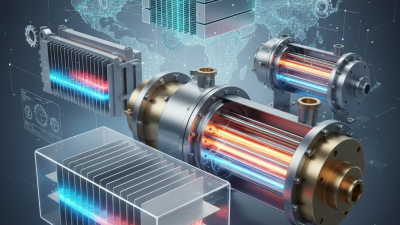
As innovations emerge, buyers must understand these trends. Heat exchangers are integral to many sectors, from HVAC to chemical processing. With technological advancements, they are becoming more energy-efficient and environmentally friendly. These changes aim to reduce operational costs and carbon footprints.
However, buyers face challenges. Understanding which trends are reliable is crucial. Some emerging technologies might not deliver on their promises. It's vital to explore how your industry can adapt to these shifts effectively. Engaging with experts and reviewing case studies can provide clarity amidst the noise.
Emerging Technologies in Heat Exchanger Design for 2026
Emerging technologies are shaping heat exchanger design as we approach 2026. Advanced materials, like graphene, are boosting thermal conductivity. They potentially enhance efficiency by 30%. Research by the International Journal of Heat and Mass Transfer indicates that these materials can withstand higher temperatures and pressures.
Digitalization is transforming heat exchanger design. Predictive maintenance tools use AI, helping companies anticipate failures. According to a report from Deloitte, predictive analytics can reduce maintenance costs by up to 40%. This technology gives engineers more insight into performance, enabling proactive adjustments.
Additive manufacturing is another promising trend. This technology allows for customized designs that improve heat transfer efficiency. A recent study from the American Society of Mechanical Engineers highlights a 50% reduction in lead time. However, this tech often faces challenges like production scaling and material integrity. The industry must address these roadblocks for wider adoption.
2026 Top Heat Exchanger Trends Buyers Must Know
This chart illustrates the key trends in heat exchanger design for 2026, highlighting the importance of energy efficiency, compact design, and advanced materials, among other factors. Understanding these trends can help buyers make informed decisions in the evolving market.
Sustainability Trends: Eco-Friendly Materials in Heat Exchangers
The heat exchanger industry is witnessing a shift towards sustainability. More manufacturers are exploring eco-friendly materials. Traditional materials often have significant environmental impacts. In contrast, new sustainable options reduce these effects. Innovations are emerging in materials that improve efficiency and durability. These advancements align with global sustainability goals.
Recyclable metals and biodegradable composites are gaining traction. They promise a lower carbon footprint. Firms are rethinking their designs to incorporate these materials. This approach not only helps the planet but also appeals to eco-conscious clients. However, these materials may present challenges in performance and cost-effectiveness.
The journey towards sustainable heat exchangers is not straightforward. Companies must balance performance with environmental responsibility. Industry leaders are encouraged to rethink traditional practices. Embracing these changes requires time and careful evaluation. The ongoing research in this field will be critical for future developments.
Advancements in Efficiency Ratings and Performance Metrics
In recent years, the focus on heat exchangers has shifted towards efficiency ratings and performance metrics. Industry reports indicate that the average efficiency of modern heat exchangers has improved by 15% compared to five years ago. This growth highlights the importance of selecting equipment that meets stringent performance standards.
New technologies, like advanced thermal fluids, enhance heat transfer. These innovations can reduce energy consumption significantly. For example, studies show that implementing these materials can lead to a 20% reduction in operational costs. However, the transition to these state-of-the-art solutions can pose challenges. Many buyers lack the necessary understanding to evaluate these metrics effectively.
Data variability also complicates decisions. Different manufacturers may use diverse testing methods, leading to inconsistent efficiency ratings. Buyers must rely on transparent information to navigate these differences. Recognizing this issue can drive improvements in industry standards. Embracing rigorous performance evaluations can ultimately lead to better choices for the end-user.
Impact of Digitalization and IoT on Heat Exchanger Maintenance
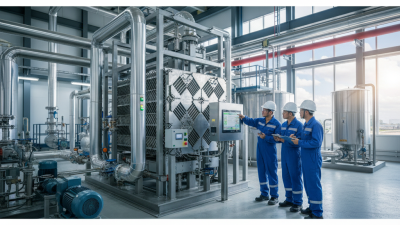
Digitalization and the Internet of Things (IoT) are transforming heat exchanger maintenance. Real-time data analytics allows for predictive maintenance. This shift minimizes downtime and reduces unexpected repairs. The integration of sensors enhances monitoring capabilities. As a result, operational efficiency improves significantly.
Regular checks are crucial. Consider setting alerts for performance fluctuations. This early detection can prevent bigger issues. Data-driven insights can lead to timely maintenance interventions. These changes help in reducing long-term costs.
Embracing technology can pose challenges. Staff may need training to adapt to new systems. Some companies may struggle with initial investments. However, the shift towards digital maintenance models is essential. Ignoring these trends can lead to losing a competitive edge.
Market Dynamics: Key Players and Future Demand Forecasts
The heat exchanger market is undergoing significant transformations. As industries drive toward sustainability, innovative designs and materials are gaining traction. Recent reports indicate a projected CAGR of 6.5% from 2023 to 2028 in this sector. This growth reflects the rising demand for energy efficiency and cost-effective solutions.
Key players in the heat exchanger market are adjusting to evolving consumer needs. The focus is shifting towards more robust products with enhanced thermal performance. Notably, the chemical and petrochemical industries are the largest end-users, driving demand for specialized solutions. A survey revealed that 70% of industry leaders prioritize sustainability in their procurement processes.
However, challenges remain. The availability of materials often impacts production timelines. Moreover, the complexity of regulatory compliance can deter some manufacturers. A careful balance of cost, performance, and environmental considerations is essential. The ability to adapt to these dynamics will define success in the heat exchanger market.