Top 5 Tips for Choosing the Right Plate Exchanger?
When selecting a Plate Exchanger, industry experts emphasize the importance of informed decision-making. Recent reports indicate that the global market for heat exchangers, including plate exchangers, is projected to reach USD 24 billion by 2025, with a CAGR of 6% (MarketsandMarkets, 2023). This growth reflects the increasing demand in sectors such as HVAC, chemical processing, and food & beverage. Choosing the right Plate Exchanger can significantly impact energy efficiency and operational costs.
Efficiency is key. Data shows that plate exchangers can offer thermal efficiency as high as 90% compared to traditional shell-and-tube models (ASHRAE, 2023). However, selecting one requires careful consideration. Factors like flow rate, pressure drop, and maintenance requirements need evaluation. Sometimes, the available data does not cover all specific operational scenarios, leading to choices that might require reevaluation later.
Understand that not all Plate Exchangers are created equal. Custom solutions may seem appealing, yet they can lead to unforeseen challenges. The stakes are high in industries reliant on precise temperature control. Making the wrong selection can result in inefficient operations and increased downtime. Thus, a thoughtful approach is essential when choosing the right Plate Exchanger.
Understanding the Basics of Plate Heat Exchangers
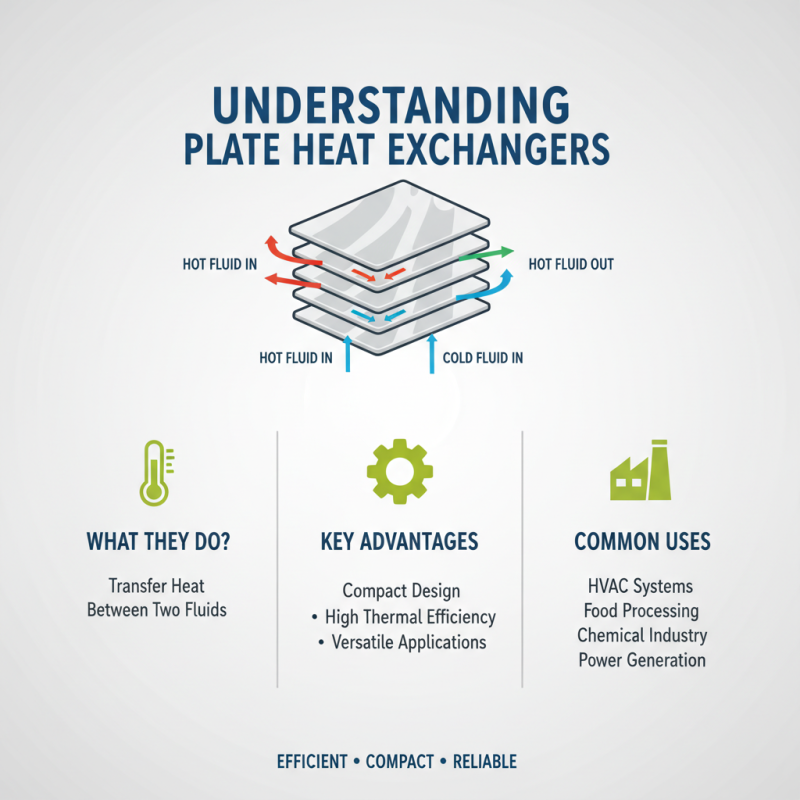
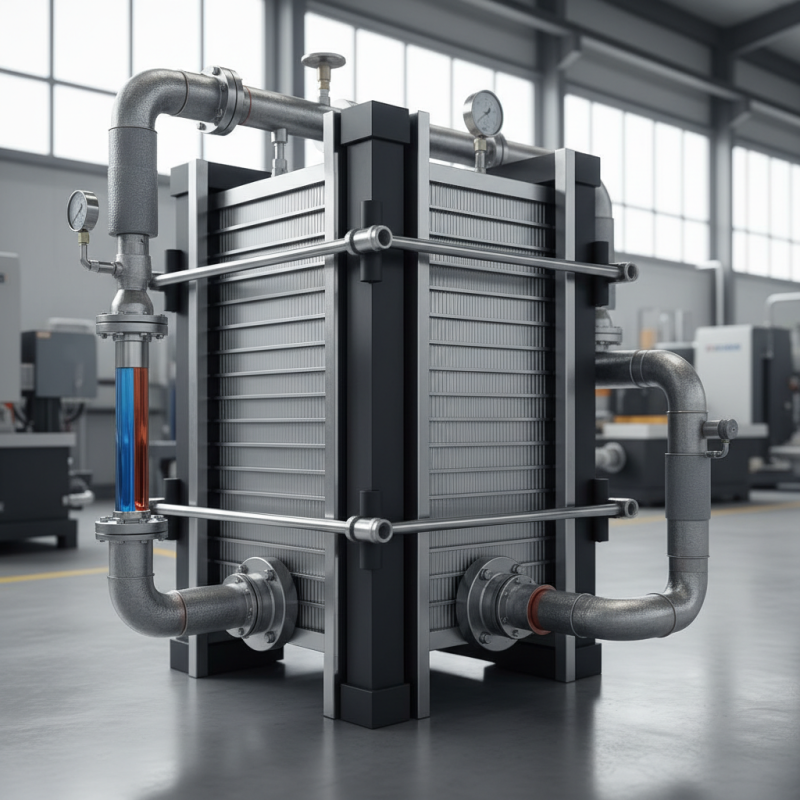
Understanding the basics of plate heat exchangers is essential for making informed decisions. These exchangers are efficient devices used to transfer heat between two fluids. Their compact design and high thermal efficiency make them suitable for various applications, from HVAC systems to food processing.
When selecting a plate heat exchanger, consider the specific fluid types and temperatures. Each application may require different materials and configurations. For example, certain fluids may be corrosive, necessitating a material with high resistance. It’s crucial to understand the thermal transfer requirements specific to your project.
One tip is to evaluate the size and space available for installation. Plate exchangers can be customized, but understanding space constraints is vital. Additionally, ensure you consult with experts when assessing your options. They can provide insights into design variations and performance metrics that matter. Remember, every choice impacts efficiency, durability, and overall performance. Careful consideration at this stage prevents costly mistakes later.
Identifying Key Specifications for Your Application
Choosing the right plate exchanger is crucial for efficiency. Identifying key specifications can directly impact your system's performance. Understanding your application's requirements is the first step.
Consider the flow rates needed for your process. Accurate flow rate calculations ensure optimal heat transfer. If you underestimate, you might face inefficiencies. On the flip side, overestimating could lead to oversizing, which wastes energy. Seek expertise in fluid dynamics to aid in this assessment.
Material compatibility is another essential factor. The wrong material selection can lead to corrosion and leaks. Assess the fluids involved carefully. Pay attention to temperature ranges as well. Exceeding these ranges may result in system failures. If you aren't sure, consult materials engineers for insights.
Finally, think about the maintenance aspect. A plate exchanger that is hard to clean can cause issues over time. Maintenance should be simple yet effective. Regular checks can prevent costly down times. Emphasizing maintenance ease can extend the lifespan of your equipment.
Top 5 Tips for Choosing the Right Plate Exchanger
Evaluating Material Compatibility and Durability
When choosing a plate exchanger, evaluating material compatibility and durability is crucial. Different materials react differently under various conditions, which can affect efficiency and lifespan. For instance, stainless steel is commonly favored due to its high corrosion resistance and durability. However, it is essential to assess the specific chemicals and temperatures the exchanger will handle. According to a recent industry report, over 30% of plate exchanger failures stem from material incompatibility.
Aside from material choice, the durability of the plates is vital. Some plates may exhibit signs of wear and tear after just a few months of operation. The thickness and manufacturing process can significantly impact durability. In fact, studies show that thicker plates can provide an additional 20% in lifespan compared to their thinner counterparts. Evaluating the manufacturing standards and certifications can also provide insight into the reliability of the materials used.
Cost should not be the only factor driving your decision. Lower-priced options often compromise on material quality and durability. Investing in higher-quality materials may result in lower maintenance costs over time. Understanding the balance between cost and material performance is essential for long-term reliability. The right plate exchanger is crucial for efficient operation and can prevent costly downtime.
Top 5 Tips for Choosing the Right Plate Exchanger
| Tip |
Description |
Material Compatibility |
Durability |
| 1. Assess Fluid Properties |
Understand the nature of fluids, including temperature and pressure. |
Ensure the plate material can handle fluids like acids or bases. |
Select materials resistant to corrosion and wear. |
| 2. Review Thermal Conductivity |
Choose a plate with high thermal conductivity for efficiency. |
Material should have a high coefficient of thermal conductivity. |
Durability is linked to thermal cycling resistance. |
| 3. Consider Pressure Drop |
Evaluate the acceptable pressure drop for your application. |
Material strength should support the expected pressure levels. |
Durability can be affected by pressure cycling. |
| 4. Evaluate Cleaning and Maintenance |
Choose design compatible with periodic maintenance.
|
Material should withstand cleaning chemicals used. |
Durable materials resist wear from cleaning processes. |
| 5. Analyze Cost vs Performance |
Balance initial costs with long-term operational savings. |
Avoid low-cost materials that may not last long. |
Investing in durable materials can reduce long-term costs. |
Assessing Maintenance Requirements and Support Services
When selecting a plate heat exchanger, maintenance requirements and support services play critical roles. The effectiveness of these systems largely depends on how well they are maintained over time. A report from the Heat Exchange Institute indicates that poor maintenance can lead to efficiency losses of up to 25%. Scheduled maintenance can help avoid these pitfalls, ensuring longevity and performance.
Consider the availability of support services. Some manufacturers offer comprehensive maintenance packages. This can include regular inspections, cleaning, and emergency repairs. A survey revealed that 70% of plant managers prioritize support services when choosing their equipment. Trustworthy support can save time and minimize unplanned downtime.
Reflections on past experiences may reveal the need for better planning. Some facilities have faced significant failures due to inadequate maintenance schedules. It’s crucial to assess not only the equipment but also the reliability of the service provider. Choosing the right plate exchanger is as much about selecting the right maintenance strategy as it is about the technology itself.
Comparing Cost-Effectiveness and Energy Efficiency Options
When selecting a plate exchanger, cost-effectiveness must be a key consideration.
Studies indicate that choosing the right model can reduce energy consumption by up to 30%.
This reduction translates to significant savings in operational costs.
Researchers have found that over 60% of industrial energy expenditure could be optimized through efficient heat recovery systems.
It is essential to balance initial investment with long-term benefits.
Energy efficiency options vary widely.
For example, a report by the U.S. Department of Energy suggests that advanced plate exchanger designs can improve thermal performance.
Choosing a unit with a higher thermal conductivity can yield lower energy costs.
Additionally, maintenance and operational downtime must be analyzed.
Regular upkeep can prolong the lifespan and enhance the efficiency of the plate exchanger by 25%.
Incorporating these factors involves careful evaluation.
Not every application needs the same level of efficiency.
Some systems may suffer from over-design, resulting in wasted resources.
Understanding the specific needs of your process is crucial.
Overlooking the importance of fitting the exchanger to the application can lead to inefficiencies and higher expenses.
Investing in the right technology is a sustainable choice that should not be underestimated.