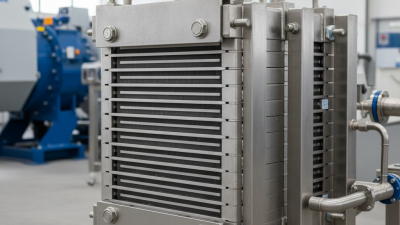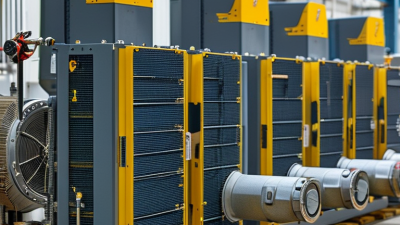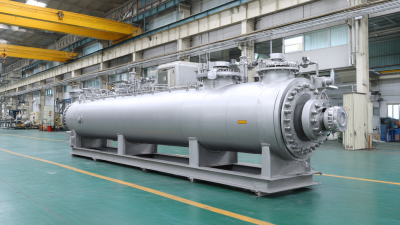
A Brazed Plate Heat Exchanger (BPHE) is compact, sealed, and built for efficient heat transfer. Thin metal plates are stacked and furnace-brazed, creating alternating channels for two fluids. Heat crosses the plates; the fluids remain separate. No gaskets. No large shell.
The design is common in refrigeration, heat pumps, district heating, and industrial cooling. Its small footprint can be useful where plant-room space is tight. But selection is not just about size. Pressure drop, fluid compatibility, fouling risk, and service access all matter. A unit that looks ideal on a specification sheet may perform poorly if its channels clog or its flow rate is wrong.
The International Energy Agency’s Energy Efficiency 2023 report says global energy-intensity improvement was about 1.3% in 2023, below the pace needed for stronger efficiency gains. That broad figure is not a BPHE performance rating. It does show why better heat recovery and system design remain important.
A precise named-expert quotation cannot be responsibly included without a verifiable source. Inventing one would weaken the reliability of this guide. The practical lesson is simple: match the exchanger to the operating conditions, then verify performance with measured data. Small details count. A few degrees of temperature approach, or an unexpected pressure drop, can change the result.
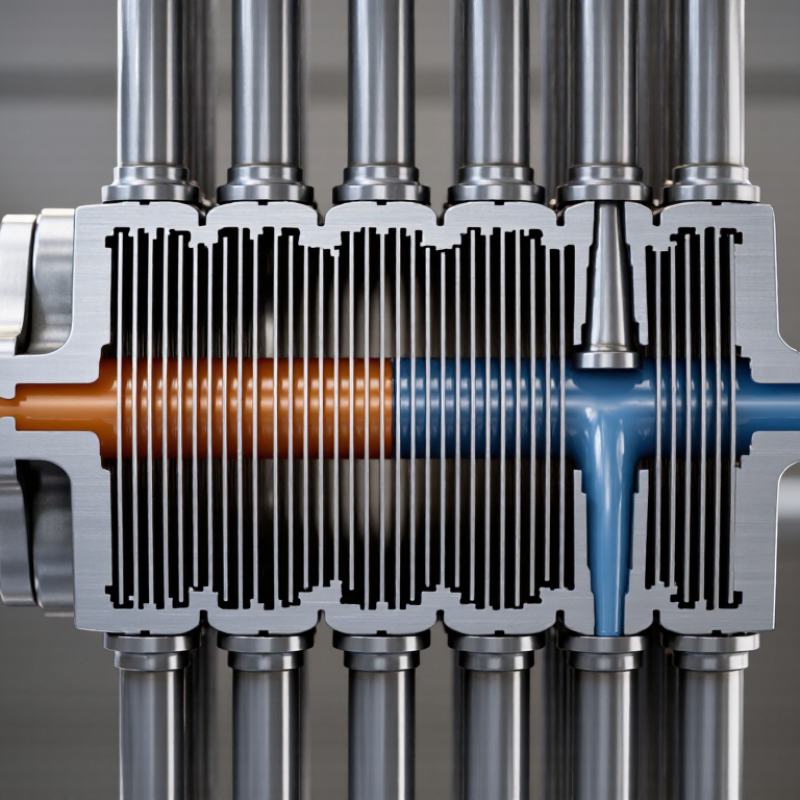
A brazed plate heat exchanger is a compact device that transfers heat between two separate fluids. It uses thin, corrugated metal plates stacked in a tightly sealed pack. Each plate contains a patterned surface, often shaped like a chevron. These ridges create turbulence and increase the contact area for heat transfer.
During manufacturing, the plates are commonly joined with copper or nickel brazing material in a controlled furnace. The brazed joints seal the edges and connect points between neighboring plates. This creates alternating channels for hot and cold fluids. Separate inlet and outlet ports guide each fluid through its own path. The fluids usually move in opposite directions, which improves thermal performance.
The plate pack has no traditional gaskets. That makes the unit smaller and reduces routine gasket replacement. However, the brazed structure is not automatically suitable for every system. Fluid chemistry, operating pressure, temperature changes, and plate material all require careful review. A small mismatch can cause corrosion or premature failure. In practical installation work, technicians check flow direction, pressure drop, connection size, and leak-tightness before commissioning. Visual inspection still matters. Compact equipment can hide mistakes. A minor design compromise may save space but create cleaning or maintenance difficulties later.
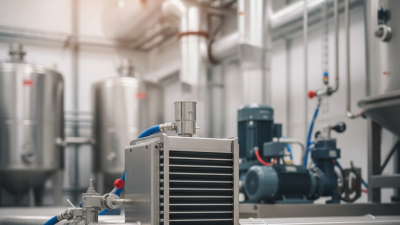
A brazed plate heat exchanger transfers heat through thin, corrugated metal plates. Many plates are stacked tightly together. Brazing joins them at selected contact points, creating separate flow channels without gaskets. Hot fluid enters one channel, while cold fluid moves through the neighboring channel. Heat crosses the plate wall, but the fluids remain separated.
Most units use counterflow movement. The hot stream travels opposite the cold stream, maintaining a stronger temperature difference along the exchanger. This improves heat recovery, especially when the outlet temperatures are close. ASHRAE Handbook—HVAC Systems and Equipment explains that counterflow arrangements generally support higher thermal effectiveness than parallel-flow designs. The effect feels simple, but pressure drop still matters.
A 2022 U.S. Department of Energy Industrial Decarbonization Roadmap reports that process heating represents about 51% of energy use in U.S. manufacturing. Better heat recovery can therefore reduce fuel demand, although results depend on system design. Fouling, uneven flow, and poor temperature data can weaken performance. I have seen designs look efficient on paper, yet fail after contamination builds inside narrow channels.
Tips: Check fluid cleanliness, allowable pressure drop, and temperature approach before selection. Keep a cleaning plan. A 2°C approach may be attractive, but it can require more plates, pumping power, or maintenance. Review real operating data, not only catalog ratings.
What Is a Brazed Plate Heat Exchanger?
A brazed plate heat exchanger transfers heat through thin, corrugated metal plates. The plates create separate channels for hot and cold fluids. Their ridges increase turbulence and improve thermal performance. The compact design saves space in heating, cooling, refrigeration, and process systems.
Key Materials and Manufacturing Process
Most plates use stainless steel because it resists corrosion and handles repeated temperature changes. Common grades include 304 and 316 stainless steel. The choice depends on fluid chemistry, chloride levels, pressure, and operating temperature. Copper is often used as the brazing alloy because it melts between the plates and forms strong joints. Nickel-based alloys may suit more demanding chemical conditions. No material choice is perfect. Engineers must check compatibility before selecting an alloy.
During production, manufacturers stack formed plates with precise alignment. The assembly enters a controlled vacuum furnace. Heat melts the brazing material at contact points, creating many sealed joints in one cycle. After cooling, technicians inspect the unit for plate distortion, blocked channels, and leakage. Pressure testing is essential, although testing alone cannot replace correct design. Small manufacturing variations can affect flow distribution.
Tips:
Confirm fluid compatibility before installation. Keep strainers clean to protect narrow channels. Check the specified pressure and temperature limits. Even a well-made exchanger can fail when scaling, freezing, or sudden pressure changes are ignored.
A brazed plate heat exchanger joins corrugated stainless-steel plates with a thin brazing filler metal. The filler metal melts during furnace brazing and seals the flow channels without melting the plates.
The chart compares reference melting temperatures for commonly relevant materials. Stainless steel 316L forms the heat-transfer plates, while copper or nickel-based filler metals create the bonded joints. Furnace brazing is performed above the filler-metal melting range but below the melting range of the stainless-steel plates.
Typical manufacturing steps include plate forming, cleaning and degreasing, filler-metal placement, stacking, controlled-atmosphere or vacuum furnace brazing, leak testing, pressure testing, and final inspection.
A brazed plate heat exchanger transfers heat through thin, corrugated metal plates joined by brazing. The plates create separate channels for two fluids, while the corrugations increase turbulence and heat transfer. Compact construction allows high performance in a small cabinet. It is not simply a smaller shell-and-tube unit.
Its main applications include domestic hot water, district heating, refrigeration, heat pumps, process cooling, and hydraulic oil temperature control. In a heat pump, it can transfer energy between refrigerant and water efficiently. In a building system, it may recover heat from a warm circuit before that energy is wasted. Food and light industrial processes also use it when clean, stable heat exchange is required.
The performance advantages are practical. High turbulence can improve thermal efficiency and reduce the required installation area. Lower internal volume may also help systems respond faster to temperature changes. Brazed construction removes the need for gaskets, which can reduce leakage risks and routine maintenance. However, this design is not perfect. Some models are difficult to open and clean, especially after poor water treatment. Narrow channels may also foul when the fluid contains scale, debris, or biological growth. Engineers should check pressure drop, fluid compatibility, fouling risk, and maintenance access before selecting a unit. A slightly larger exchanger may prove more reliable than an aggressively compact choice.
A brazed plate heat exchanger uses thin, corrugated metal plates joined by copper or nickel brazing. The plates create separate flow channels for two fluids. Their large contact area transfers heat efficiently in a compact space. DOE’s 2022 Industrial Decarbonization Roadmap reports that process heating represents about 51% of energy use in U.S. manufacturing. That makes correct heat exchanger selection important, not decorative.
Select the unit by flow rate, inlet and outlet temperatures, pressure, fluid chemistry, and allowable pressure drop. Check the required temperature approach. A smaller approach may improve recovery, but it usually increases cost and pressure loss. AHRI Standard 400 provides a recognized framework for liquid-to-liquid heat exchanger performance ratings. Do not size from nominal pipe diameter alone. That mistake is common. Include fouling risk, glycol concentration, and future load changes.
During installation, mount the exchanger in the approved orientation, with isolation valves, service ports, strainers, and air vents nearby. Flush debris before commissioning. Tight bends directly at the connections can disturb flow. Record pressure and temperature readings after stabilization. IEA’s Energy Efficiency 2023 report identifies improved operational performance as a major efficiency opportunity, yet field conditions often differ from design assumptions.
Maintenance should track approach temperature and pressure drop monthly. A rising pressure drop may indicate fouling or blocked strainers. Cleaning methods must match plate material and deposits. Aggressive chemicals can damage brazed joints. Water treatment deserves attention. I would also review the design after the first heating season; real loads rarely behave perfectly.