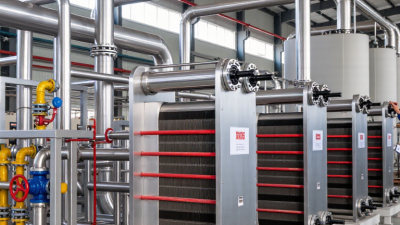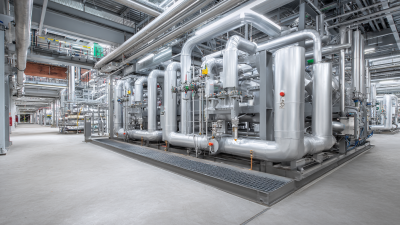
Choosing the best Phe Exchanger manufacturer in China requires more than comparing prices or polished factory photographs. The real test appears in engineering details: plate material, gasket compatibility, welding quality, pressure testing, thermal calculations, and after-sales response. A reliable supplier should explain its design assumptions clearly. It should also provide traceable inspection records, performance data, and practical installation guidance.
Dr. Sadik Kakac, a respected heat-transfer specialist, states, “The design of heat exchangers is a complex task.” This principle matters when evaluating a Chinese Phe Exchanger manufacturer. Different industries demand different solutions. Food processing may require hygienic stainless-steel construction. Chemical plants may need corrosion-resistant alloys and careful gasket selection. District heating projects may prioritize compact dimensions, low pressure loss, and long service life.
Experience often reveals what brochures hide. Ask how the manufacturer handles fouling, uneven flow, replacement plates, and emergency maintenance. Request references from comparable applications, not only famous customers. Confirm certifications, testing procedures, production capacity, and export experience. A factory may look impressive, yet its technical support could remain weak.
There is no universal “best” manufacturer. That conclusion would be convenient, but unreliable. The strongest choice depends on operating temperature, pressure, fluid properties, capacity, budget, and service expectations. Some suppliers excel at customized engineering. Others provide economical standard units. This guide compares these differences carefully, helping buyers identify a dependable Chinese Phe Exchanger partner rather than simply selecting the lowest quotation.
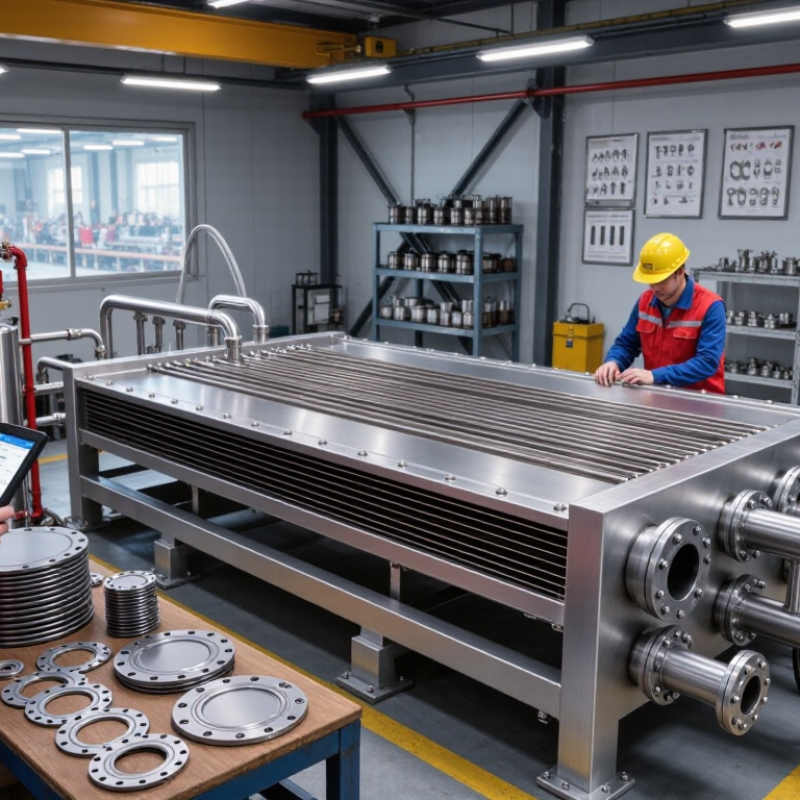
What Is the Best PHE Exchanger Manufacturer in China?
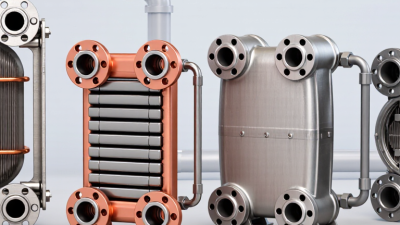
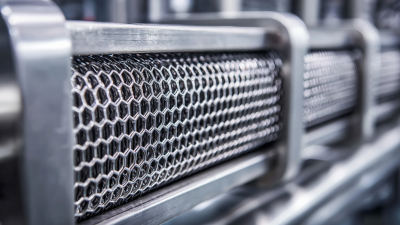
A PHE exchanger is a plate heat exchanger built from thin, corrugated metal plates. Gaskets separate hot and cold fluids. Alternating channels guide them in opposite directions. Heat crosses the plates, while the fluids usually remain separated. The corrugations create turbulence. This improves heat transfer without requiring a large footprint. It can feel surprisingly compact.
The International Energy Agency reports that buildings consume about 30% of global final energy. Efficient heat recovery therefore matters in heating, cooling, and hot-water systems. A well-selected PHE can reduce temperature losses and pumping demand. However, actual savings depend on flow rate, fouling, fluid properties, and control settings. Marketing claims often simplify these details. That deserves caution.
When comparing a Chinese manufacturer, examine thermal design records, pressure testing, plate material certificates, and gasket compatibility. Independent inspection data is valuable. The AHRI 400 standard provides a recognized framework for liquid-to-liquid heat exchanger performance testing. Ask for measured capacity, pressure drop, approach temperature, and test conditions. A lower purchase price may become expensive after frequent cleaning or gasket replacement. Field service also matters. A supplier with responsive engineering support can correct sizing mistakes early. Still, no manufacturer is perfect; operating water quality and maintenance discipline can change results dramatically.

A leading PHE exchanger manufacturer begins with proven engineering, not attractive brochures. The International Energy Agency reported that industry consumed about 37% of global final energy in 2022. The U.S. Department of Energy also identifies process heating as roughly 51% of industrial energy use. These figures make thermal efficiency a practical purchasing issue.
A capable Chinese manufacturer should provide accurate thermal calculations, clear pressure-drop data, and documented material selection. Engineers should match plate patterns, gasket materials, flow paths, and corrosion resistance to the actual process. A useful factory visit reveals more than a certificate. Look for automated pressing, controlled cleaning, calibrated test equipment, and traceable batch records. Every unit should receive pressure and leakage testing before shipment. Small details matter.
Compliance must be verifiable. Depending on the destination and application, buyers may require ISO 9001 systems, CE-related conformity, ASME requirements, or relevant Chinese standards. Third-party inspection can strengthen confidence. Yet certification alone is not enough. After-sales response, spare-plate availability, installation guidance, and cleaning instructions also affect lifetime value. Poor communication can erase excellent heat-transfer performance. That is often overlooked.
The strongest manufacturer shares test reports and admits design limits. No exchanger fits every duty. A supplier willing to question an oversized specification may be more reliable than one promising everything. Performance data should be reviewed against real operating conditions, not laboratory assumptions.
Comparing Chinese PHE exchanger manufacturers requires more than checking the lowest quotation. The International Energy Agency reported that industry used about 37% of global final energy in 2022. Efficient heat transfer can reduce operating pressure, fuel use, and maintenance demands.
Begin with technical evidence. Request thermal calculation sheets, pressure-drop data, gasket specifications, plate materials, and fouling assumptions. A serious manufacturer should explain why a proposed plate pattern suits your fluid, temperature, and flow rate. Check production records, inspection procedures, welding controls, and traceability for every pressure-bearing component. Certifications matter, but their scope matters more. Verify applicable ISO, ASME, EN, or local pressure-equipment compliance directly.
Ask for performance references from similar industries, not attractive photographs. The U.S. Department of Energy has noted that industrial facilities may reject 20% to 50% of input energy as waste heat. Recovery performance depends heavily on real operating conditions. A laboratory result may disappoint in a dirty process. I learned this the hard way: underestimated fouling created repeated cleaning work.
Tips: Compare total ownership cost over five years. Include spare gaskets, cleaning intervals, testing, delivery, and response time. Ask whether factory acceptance testing is available. Also inspect the service team’s practical experience. A polished brochure is not enough. Request a video inspection or independent witness when project risk is high.
Chinese plate heat exchangers serve many industries because they transfer heat efficiently in compact spaces. In district heating, they separate hot water networks from building circuits. HVAC systems use them for chilled-water and condenser-water duties. Data centers also require reliable cooling, especially when equipment runs continuously.
Food and dairy plants choose PHE units for pasteurization, cleaning systems, and temperature control. Chemical factories use them with oils, solvents, and process water, but material selection must match fluid properties. Pharmaceutical production demands smooth surfaces, cleanability, and documented testing. Marine systems often value their small footprint, while power facilities use them for cooling auxiliary equipment.
Tips: Check thermal calculations, pressure ratings, gasket materials, and maintenance access before purchasing. Ask for test records and installation references from similar applications. A low price may hide higher cleaning costs. No supplier is perfect. In practice, even a well-designed exchanger can underperform when water quality, flow rates, or operating data are estimated poorly. Share real site conditions with the manufacturer, and review the design after several months of operation.
Choosing the best PHE exchanger manufacturer in China starts with your process, not a catalogue. Plate material, gasket compatibility, flow rate, pressure, temperature, and fouling risk must match the duty. The IEA’s Energy Efficiency 2023 report states that industry uses about 37% of global final energy. Therefore, a small efficiency loss can become a large operating cost.
Request a thermal design report with clear assumptions. It should show heat-transfer area, pressure drop, approach temperature, and allowable fouling margins. Ask for hydrostatic testing, material certificates, weld procedures, and documented quality controls. ISO 9001 certification is useful, but it does not replace technical evidence. For higher-risk systems, confirm compliance with applicable pressure-equipment standards and arrange independent inspection.
Look beyond the quotation. A reliable manufacturer should provide pilot testing, spare-plate availability, gasket traceability, cleaning guidance, and responsive engineering support. The U.S. Department of Energy’s Industrial Decarbonization Roadmap identifies process heating as a major industrial energy demand, making lifecycle efficiency more important than purchase price. Cheap equipment may create costly downtime. That lesson is easy to miss. Ask for references from similar fluids and operating conditions, not only attractive photographs. Also check whether the factory can reproduce the specified performance after maintenance. Some buyers focus too heavily on initial heat-transfer efficiency; I would also examine service access, local support, and realistic delivery schedules. Forecasts are never perfect. Your selection should allow for uncertainty, not hide it.
| Evaluation Dimension | Suggested Weight | Recommended Benchmark | Why It Matters | Evidence to Request |
|---|---|---|---|---|
| Thermal Design Capability | 20% | The manufacturer should provide a documented thermal calculation based on flow rates, inlet and outlet temperatures, fluid properties, fouling factors, allowable pressure drop, and design margin. | A correct design helps achieve the required heat duty without excessive pressure drop, oversizing, unstable operation, or premature fouling. | Signed selection sheet, calculation report, design assumptions, performance guarantee, and clarification of the software or method used. |
| Pressure and Temperature Rating | 12% | The frame, plates, gaskets, connections, and tightening dimensions should be selected for the project design pressure and design temperature, including operating transients. | Insufficient pressure or temperature capability can cause leakage, deformation, safety incidents, or reduced service life. | General arrangement drawing, design-rating table, nameplate information, pressure calculations, and applicable conformity documents. |
| Plate and Gasket Materials | 12% | Material selection should match fluid chemistry, chloride exposure, temperature, concentration, and cleaning method. Common options may include stainless steel, titanium, nickel alloys, EPDM, NBR, or FKM, depending on service conditions. | Material compatibility is essential for corrosion resistance, gasket life, hygiene, and resistance to thermal or chemical degradation. | Material certificates, chemical compatibility statement, gasket compound specification, and corrosion allowance or limitation statement. |
| Manufacturing and Welding Quality | 10% | The facility should operate a controlled quality system such as ISO 9001 and use qualified procedures and personnel for pressure-bearing fabrication and frame welding where applicable. | Consistent manufacturing reduces dimensional variation, assembly problems, weld defects, and field leakage. | Quality certificate, welding procedure qualifications, welder qualifications, inspection and test plan, and production process records. |
| Testing and Inspection | 12% | Each completed unit should undergo documented inspection and pressure testing appropriate to its design and applicable regulations. Performance testing or witnessed testing should be available when required. | Testing verifies mechanical integrity, connection quality, assembly accuracy, and compliance before shipment. | Pressure-test report, inspection checklist, dimensional report, test certificates, calibration records, and third-party inspection options. |
| Applicable Standards and Certification | 10% | The supplier should identify the regulations and standards applicable to the destination market, such as the EU Pressure Equipment Directive 2014/68/EU, ASME requirements, AHRI 400 where relevant, or local pressure-equipment rules. | Regulatory compliance supports legal installation, project approval, insurance requirements, and acceptance by end users. | Compliance matrix, declarations or certificates, code-stamped documentation where required, and records of notified-body or authorized-inspector involvement. |
| Customization and Connection Options | 7% | The manufacturer should support suitable plate patterns, port sizes, connection standards, frame materials, pass arrangements, nozzle orientation, and maintenance clearances. | Proper customization improves installation compatibility and prevents costly piping modifications or access problems. | Approved general arrangement drawing, connection schedule, nozzle orientation drawing, and interface checklist. |
| Delivery and Production Capacity | 5% | The supplier should provide a realistic lead time covering engineering, material procurement, production, testing, documentation, and export packing. | Reliable delivery reduces project delays and makes installation and commissioning planning more predictable. | Detailed project schedule, production capacity statement, milestone plan, and previous delivery references without relying solely on marketing claims. |
| After-Sales and Technical Support | 7% | Support should include installation guidance, tightening-dimension instructions, troubleshooting, spare-gasket availability, plate replacement guidance, and cleaning recommendations. | Effective support reduces downtime and helps preserve thermal performance throughout the equipment lifecycle. | Operation and maintenance manual, spare-parts list, response-time commitment, service coverage, and maintenance training plan. |
| Total Cost of Ownership | 5% | Compare purchase price together with energy consumption, pressure-drop cost, cleaning frequency, gasket replacement, spare plates, maintenance labor, and expected service life. | The lowest purchase price may not provide the lowest lifecycle cost if the unit requires more pumping power, frequent cleaning, or early component replacement. | Itemized quotation, pressure-drop data, spare-part prices, recommended maintenance intervals, warranty terms, and lifecycle-cost assumptions. |