Leave Your Message

2026 Top PHE Heat Exchanger Types for Global Buyers

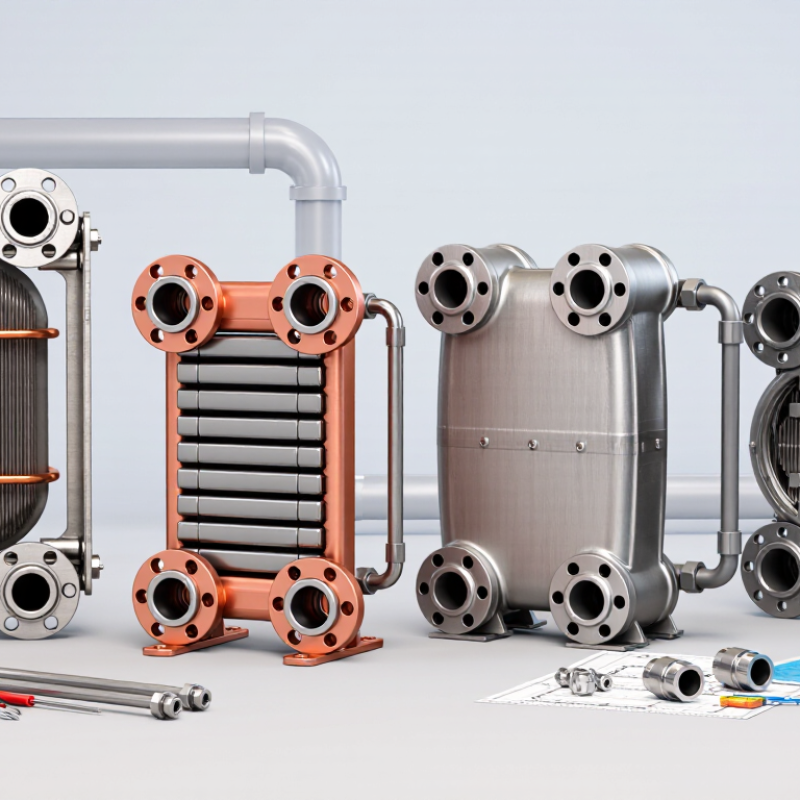
For global buyers, choosing the right Phe Heat Exchanger begins with understanding application conditions, not product labels. Plate-and-frame units suit many hygienic and industrial duties. Brazed plate models offer compact performance for refrigeration and building services. Welded and semi-welded designs can handle higher temperatures, aggressive fluids, or demanding pressure conditions. Each type has a different maintenance profile.

Professor Sadik Kakac explains, “Heat exchangers are devices that facilitate the exchange of heat between two fluids that are at different temperatures.” This principle sounds simple. The purchasing decision is not. Buyers must compare thermal duty, flow rate, pressure drop, connection size, gasket material, plate alloy, and cleaning access. A unit operating with seawater may require titanium plates, while a food-processing line may need certified stainless steel and hygienic connections. Small details matter.

This 2026 guide examines leading Phe Heat Exchanger types for international purchasing teams. It considers efficiency, lifecycle cost, spare-part availability, installation limits, and supplier documentation. It also reviews practical risks, including fouling, gasket ageing, uneven flow distribution, and incorrect sizing. A lower purchase price can become expensive after repeated cleaning or unexpected downtime. That assumption deserves scrutiny.

Real projects are rarely perfect. Fluid properties may change. Operating data may be incomplete. Some suppliers present impressive laboratory figures that do not match factory conditions. Buyers should request test information, material certificates, performance guarantees, and clear warranty terms. Independent engineering review remains valuable, especially for high-pressure or corrosive service. The best selection balances heat transfer performance with safety, maintainability, and dependable long-term support.

2026 Top PHE Heat Exchanger Types for Global Buyers

What Is a PHE and How Does It Transfer Heat?

2026 Top PHE Heat Exchanger Types for Global Buyers

What Is a PHE and How Does It Transfer Heat?

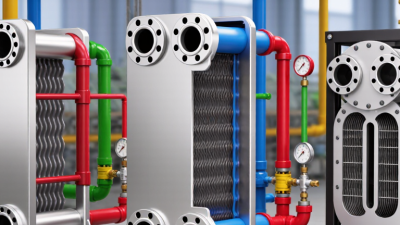
A plate heat exchanger, or PHE, transfers heat through thin metal plates. Two fluids flow through separate channels without mixing. Gaskets, brazed joints, or welded seams keep the streams apart. Hot fluid passes heat through one plate surface, while colder fluid absorbs it on the other side. Counter-current flow usually improves temperature recovery. It can cool process water, warm glycol, or reduce energy loss in industrial systems.

Common PHE types include gasketed, brazed, welded, and semi-welded designs. Gasketed units allow plate cleaning and capacity changes. Brazed models are compact and suitable for sealed systems. Welded units handle higher temperatures or aggressive fluids more reliably. Yet, material selection remains critical. Stainless steel may resist many water-based fluids, but chlorides can still cause corrosion. A simple catalog choice can mislead.

Tips: Check fluid temperature, pressure, viscosity, fouling risk, and chemical compatibility before selecting a PHE. Leave practical space for inspection and gasket replacement. Ask for verified thermal data, pressure-test records, and applicable safety documentation. Flow imbalance can reduce performance, even when the calculated surface area looks sufficient. Field engineers often review operating changes, because real loads rarely stay constant. No selection method is perfect. Allow a sensible design margin, but avoid excessive oversizing, which may increase cost and reduce flow velocity.

Which PHE Types Are Available for Global Buyers in 2026?

2026 Top PHE Heat Exchanger Types for Global Buyers

Which PHE Types Are Available for Global Buyers in 2026?

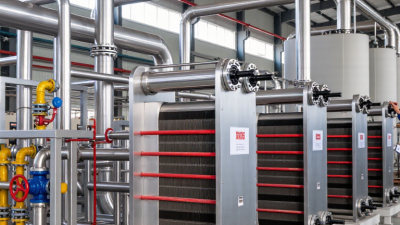
Global buyers can choose several plate heat exchanger (PHE) designs in 2026. Gasketed plate-and-frame units remain the most flexible option. Technicians can open them, wash the plates, and add capacity later. Brazed plate exchangers are compact and resistant to vibration. They suit heat pumps, refrigeration circuits, and small process skids. Welded and semi-welded plates handle higher temperatures, pressures, or aggressive fluids. However, inspection becomes less convenient.

Sanitary PHEs use polished surfaces, hygienic connections, and cleanable layouts. Food, beverage, and pharmaceutical plants often specify them. Double-wall plates provide extra separation between fluids. They are useful where cross-contamination creates serious operational risk. Spiral and pillow-plate exchangers also appear in specialist projects, but local service skills may be limited. Availability varies by region.

The International Energy Agency reports that industry remains a major global energy consumer, making heat recovery increasingly important. Grand View Research’s 2024 market assessment also identifies energy efficiency and industrial expansion as key heat exchanger demand drivers. Buyers should compare pressure-drop data, fouling allowances, gasket compatibility, and replacement-part access. A cheaper unit may create higher cleaning costs. This is easy to underestimate. Selection should follow verified duty calculations, applicable pressure rules, and documented factory testing. Yet datasheets can still miss real fouling behavior, so operating evidence matters.

How Do PHE Designs Differ in Performance and Application?

2026 Top PHE Heat Exchanger Types for Global Buyers

Plate heat exchangers differ mainly in sealing, serviceability, and pressure tolerance. Gasketed PHEs use bolted plates and replaceable elastomers. They suit district heating, food processing, and chemical duties where cleaning matters. Brazed PHEs are smaller and usually cheaper to install. They fit heat pumps, refrigeration circuits, and domestic hot-water systems. However, internal fouling is difficult to remove. Welded and semi-welded designs handle higher temperatures, pressure, or aggressive fluids. Double-wall plates add leak detection, but they can reduce heat-transfer efficiency slightly. No design wins every duty.

The IEA’s Energy Efficiency 2023 report states that buildings consume about 30% of global energy. This makes compact heat recovery increasingly important. ASHRAE Handbook guidance also links exchanger selection with approach temperature, pressure drop, fluid compatibility, and maintenance access. A high-efficiency PHE may still disappoint if its channels clog quickly. Field experience shows that water quality, gasket aging, and uneven flow often matter more than brochure performance. That is easy to underestimate.

Tips: Match plate geometry to fluid cleanliness. Check the lowest operating temperature, not only the maximum rating. Request pressure-drop data at real flow rates. For critical systems, specify leak detection and a service plan. A smaller unit is not always better; excessive velocity can increase noise, erosion, and pumping costs. Recheck the selection after one operating season. Conditions rarely behave exactly as predicted.

What Factors Guide PHE Selection, Sizing, and Material Choice?

2026 Top PHE Heat Exchanger Types for Global Buyers

What Factors Guide PHE Selection, Sizing, and Material Choice?

For global buyers, plate heat exchanger selection starts with process facts, not catalog capacity. Gasketed, brazed, welded, and semi-welded designs suit different duties. Record fluid type, flow rate, inlet temperature, outlet temperature, operating pressure, and allowable pressure drop. The required heat duty determines the preliminary surface area. The temperature approach influences the number of plates and passes. Small data errors can create large sizing problems.

Designers should calculate velocity on both sides to control fouling and vibration. Keep velocity high enough for turbulence, but avoid excessive pressure loss. Pressure drop matters. Check seasonal flow changes, start-up conditions, and possible two-phase behavior. A clean-service calculation may fail when suspended solids or biological growth appear. That risk deserves a realistic fouling factor, not a convenient guess.

Material choice follows chemistry and maintenance conditions. Stainless steel often suits ordinary water and mild process fluids. Titanium may be safer for chloride-rich seawater, while specialized alloys can handle harsher media. Confirm chloride levels, acidity, temperature, and cleaning chemicals before selecting plates. Gasket material must match temperature, fluid composition, and cleaning cycles. Water chemistry changes. Review it.

Reliable sizing uses verified operating data, recognized design codes, and documented thermal calculations. Ask suppliers for pressure-test records, material certificates, and service references for similar duties. An experienced engineer should review the final selection independently. In field assessments, I have seen oversized units waste pumping energy and undersized units miss outlet temperatures. Leave practical access for inspection and gasket replacement. Recheck every assumption before purchase.

Which Standards and Purchasing Criteria Ensure Global Compatibility?

2026 Top PHE Heat Exchanger Types for Global Buyers

Global compatibility starts with the destination market, not the catalog page. Confirm whether the project requires ASME BPVC Section VIII, EN 13445, or another pressure-vessel code. For European installations, check the Pressure Equipment Directive and applicable conformity assessment route. These rules are not interchangeable. A certificate alone may not protect the buyer.

Specify design pressure, operating temperature, flow rate, and heat duty for both circuits. State the fluid chemistry clearly, including chlorides, cleaning agents, and suspended solids. Plate material, gasket compound, connection size, and gasket temperature limits must match real operating conditions. Request EN 10204 3.1 material certificates, pressure-test records, welding documentation, and a complete performance calculation.

Small details matter.

Ask for fouling allowances and permitted pressure loss. Confirm whether spare plates and gaskets can reach the installation site quickly. Thread, flange, and tube standards should suit local piping practice. Electrical components, if included, may require separate regional approvals. ISO 9001 supports process control, but it does not prove thermal performance or corrosion resistance. Experienced buyers also review inspection plans and test tolerances before signing. I have seen neat datasheets hide uncertain assumptions, especially around seasonal flow changes. Leave room for verification. Forecasts are often imperfect.

2026 Top PHE Heat Exchanger Types for Global Buyers - Which Standards and Purchasing Criteria Ensure Global Compatibility?

PHE Type Construction and Heat-Transfer Surface Typical Operating Envelope* Best-Fit Applications Main Advantages Key Limitations Global Compatibility Checks
Gasketed Plate-and-Frame Removable corrugated metal plates sealed with elastomer gaskets and compressed in a frame. Approximately 0.6–2.5 MPa design pressure and about −20 to 180 °C, depending on plate metal, gasket compound, port design, and local code approval. HVAC, district energy, food processing, general industrial heating and cooling, and applications requiring regular inspection or cleaning. High thermal efficiency, adjustable capacity, expandable plate pack, and comparatively simple mechanical cleaning. Gasket aging, leakage risk, tightening-control requirements, and possible incompatibility with aggressive chemicals or high temperatures. Confirm PED or equivalent pressure-law route, design pressure and temperature, gasket compatibility, flange standard, port orientation, inspection access, and spare-gasket availability.
Brazed Plate Thin stainless-steel plates permanently joined by a brazing filler metal, commonly copper or nickel-based. Commonly up to approximately 3.0 MPa design pressure; temperature capability is often around −50 to 200 °C, subject to filler metal, refrigerant, fluid, and certification. Compact HVAC equipment, domestic hot water, refrigeration circuits, heat pumps, and clean closed-loop liquid service. Small footprint, low mass, high heat-transfer performance, no gasket replacement, and low initial material volume. Not normally field-openable; blockage and fouling are harder to remove; copper filler may be unsuitable for ammonia, certain water chemistries, or specific refrigerants. Specify filler metal, refrigerant or fluid compatibility, pressure-vessel conformity, burst and leak-test records, connection type, local refrigeration requirements, and allowable pressure drop.
Welded Plate Corrugated plates are welded around the perimeter and at selected contact points, usually without elastomer gaskets in the process channels. Often selected for approximately 1.6–4.0 MPa design pressure and temperatures up to roughly 350 °C, subject to materials, weld design, and code assessment. High-temperature oils, hydrocarbons, aggressive chemicals, solvents, and services where gasket leakage must be minimized. Improved resistance to temperature, pressure, and many chemicals compared with gasketed designs; compact counter-current flow arrangement. Limited field access, more complex inspection and repair, higher fabrication cost, and greater sensitivity to welding quality. Require weld-procedure qualification, welder qualification, non-destructive examination, material traceability, pressure testing, and acceptance under the destination pressure-equipment law.
Semi-Welded Plate Pairs or cassettes of plates are welded on one side to form a sealed channel, while the opposite circuit uses replaceable gaskets. Typically used for one demanding circuit and one serviceable circuit; common design ranges are approximately 1.0–3.0 MPa and up to 250–300 °C, subject to configuration. Refrigerants, corrosive fluids, high-viscosity media, and processes combining a difficult fluid with a water or utility circuit. Combines welded-channel chemical or refrigerant resistance with gasketed-side accessibility and maintenance flexibility. More specialized design, asymmetric maintenance requirements, and higher replacement cost than standard gasketed units. Check which circuit is welded, gasket material and replacement procedure, refrigerant approvals, weld documentation, pressure-boundary classification, and service clearances.
Double-Wall Plate Two plates form each heat-transfer element, creating a visible or detectable interspace if a primary wall fails. Commonly applied within approximately 1.0–2.5 MPa and −20 to 180 °C, but the safe range depends strongly on plate joining and fluid combination. Potable-water separation, toxic or hazardous fluids, glycol-to-water systems, and processes where cross-contamination must be detected. Provides a leakage-detection path and reduces the chance of undetected mixing between two circuits. Higher cost, larger heat-transfer area for a given duty, and performance depends on reliable interspace detection and monitoring. Define leak-detection method, potable-water or hygienic requirements, allowable cross-contamination risk, test pressure, drain or vent arrangement, and alarm integration.

Global Purchasing Criteria and Applicable Standards

Buying Dimension What to Specify in the Purchase Order Relevant Standards, Regulations, or Verification Methods Why It Ensures Compatibility
Thermal Performance Heat duty, inlet and outlet temperatures, mass or volume flow, fluid properties, fouling allowance, minimum approach temperature, and maximum pressure drop. Request a documented thermal rating using consistent fluid-property data and a recognized liquid-to-liquid heat-exchanger rating method such as AHRI 400 where applicable. Prevents under-sizing, excessive pumping energy, and misleading comparisons based only on nominal plate area.
Pressure and Temperature Design Design pressure for each circuit, design temperature, test pressure, vacuum requirement, cyclic duty, and relief-device assumptions. ASME Boiler and Pressure Vessel Code Section VIII, Division 1; EN 13445; or the legally applicable national pressure-equipment standard. EU projects may require PED 2014/68/EU conformity assessment. Ensures the pressure boundary is assessed under the rules accepted in the destination market rather than only under the exporting country’s practice.
Materials and Corrosion Plate alloy, frame material, nozzle material, gasket compound, filler metal, chloride level, pH, salinity, chemical concentration, and cleaning chemicals. Obtain material certificates such as EN 10204 inspection documents where required; verify corrosion allowance and compatibility with the actual fluid chemistry. Avoids chloride stress corrosion, gasket swelling, galvanic attack, brazing-material incompatibility, and premature leakage.
Connections and Installation Nominal pipe size, flange drilling, pressure class, thread type, port orientation, removable space, lifting points, insulation clearance, and flow arrangement. Specify the required flange or threaded-connection standard, such as ASME B16.5, EN 1092-1, or the applicable national standard; do not assume standards are interchangeable. Ensures mechanical fit, correct gasket seating, safe installation, and straightforward integration with local piping systems.
Hygiene and Potable Water Fluid classification, cleanability, surface-finish requirement, drainability, elastomer formulation, and cross-contamination controls. Use the destination market’s potable-water and hygienic-equipment requirements; request relevant material declarations and migration or sanitation documentation. A pressure certificate alone does not prove suitability for drinking water, food contact, or hygienic processing.
Quality Documentation General arrangement drawing, data sheet, calculations, material certificates, weld records, pressure-test report, leak-test report, inspection plan, and operating manual. ISO 9001 may support the supplier’s quality system, but it does not replace product-specific pressure, material, or performance conformity evidence. Creates traceability for customs, inspections, commissioning, warranty claims, and future replacement procurement.
Maintenance and Life-Cycle Cost Expected cleaning interval, spare-gasket lead time, plate availability, service tools, gasket replacement procedure, inspection frequency, and total cost of ownership. Include clean-in-place requirements, allowable cleaning-agent concentration, pressure-drop monitoring limits, and documented maintenance instructions. The lowest purchase price may result in higher energy, cleaning, downtime, and spare-parts costs over the equipment’s service life.
Export and Destination Compliance Country of installation, operating environment, electrical accessories, language of manuals, marking requirements, customs classification, and local inspection authority. Confirm the applicable legal framework before manufacture, including pressure-equipment, refrigeration, chemical, transport, and workplace-safety rules. A unit accepted in one jurisdiction may require additional conformity assessment, documentation, marking, or inspection in another.

*The operating envelopes shown are indicative purchasing ranges rather than universal limits. Final allowable pressure and temperature must be confirmed from the selected design, materials, joining method, fluid chemistry, test requirements, and destination-country regulations.