In the realm of heat exchangers, effective maintenance is crucial for optimal performance. According to Dr. John Lancaster, a leading expert in Heat Exchanger Maintenance, “Regular upkeep not only extends the lifespan of the equipment but also enhances overall efficiency.” This vital process is often overlooked, leading to inefficiencies and costly downtime.
An unfortunate reality is that many companies neglect periodic maintenance. This can result in serious operational problems. When heat exchangers are not properly inspected, small issues can escalate into significant failures. These preventable problems can have lasting impacts on productivity and costs.
Understanding the best practices for maintenance is essential for global buyers. By prioritizing maintenance, businesses can ensure their heat exchangers operate efficiently. Ultimately, investing time in routine checks may save money and resources in the long run. Ignoring maintenance, however, can lead to regret and lost opportunities in competitive markets.
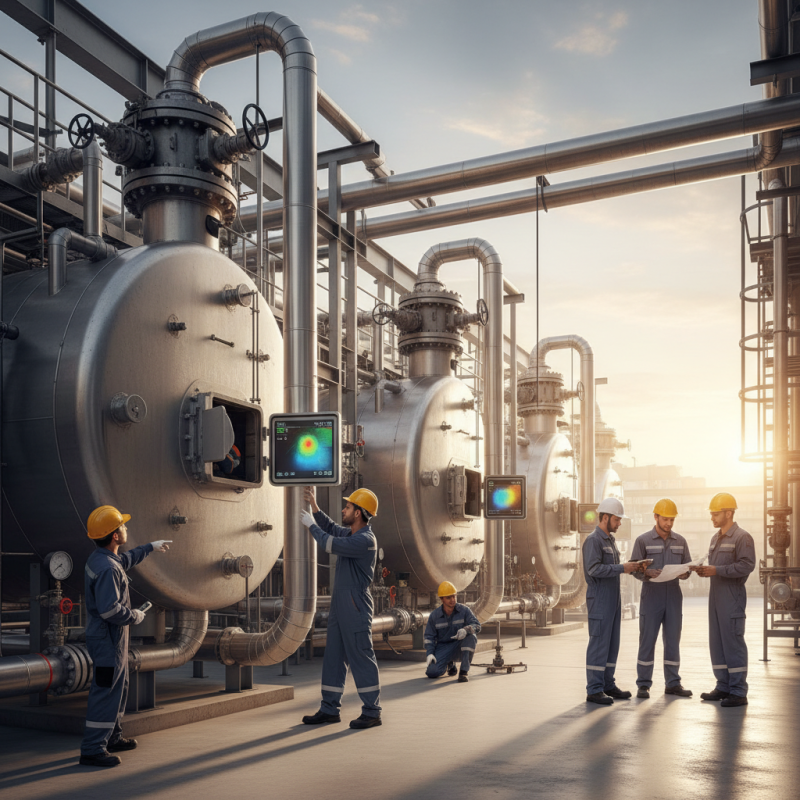
Heat exchangers are crucial for optimal energy transfer in various industries. Regular maintenance is essential to ensure these systems operate efficiently. Proper care can prevent costly breakdowns and extend the equipment's lifespan.
One important step is to routinely inspect for leaks. Even small leaks can lead to significant performance issues over time. Address leaks immediately to maintain efficiency. Regular cleaning is also vital. Accumulated dirt and debris hinder heat transfer efficiency. Implement a cleaning schedule to ensure surfaces remain clear.
Monitor temperature and pressure regularly. Sudden changes can indicate underlying problems. Keeping an eye on these parameters helps detect issues early. Lastly, always follow manufacturer guidance for maintenance procedures. Ignoring these can lead to missteps or inadequate care. Regular maintenance pays off in reliable performance and longevity.
| Tip No. | Maintenance Tip | Frequency | Benefits |
|---|---|---|---|
| 1 | Regular Inspection | Monthly | Identifies issues early |
| 2 | Cleaning | Quarterly | Enhances heat transfer efficiency |
| 3 | Leak Testing | Bi-annual | Prevents fluid loss |
| 4 | Inspect Gaskets and Seals | Yearly | Maintains integrity of systems |
| 5 | Monitoring Temperature and Pressure | Continuous | Ensures optimal operation |
| 6 | Fluid Replacement | When needed | Prevents corrosion |
| 7 | Vibration Analysis | Semi-annually | Detects mechanical issues |
| 8 | Check for Fouling | Monthly | Improves performance |
| 9 | Documentation of Maintenance | Ongoing | Tracks history for better planning |
| 10 | Training Staff | Annually | Ensures correct procedures are followed |
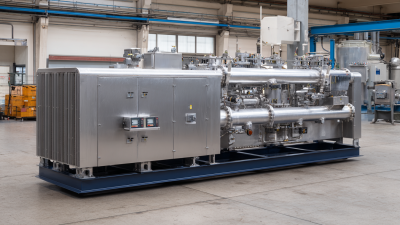
Heat exchangers are critical components in various industries, playing a vital role in efficiency and safety. Regular maintenance is essential. However, many operators struggle with determining maintenance frequency and timing. Key indicators can guide decisions on when to perform maintenance actions.
One crucial indicator is the temperature differential. A significant deviation might suggest fouling or scaling inside the heat exchanger. Monitoring the pressure drop across the heat exchanger can also be telling. A rise in pressure drop often correlates with reduced efficiency and increased operational costs. In a 2021 report from the International Energy Agency, a 10% drop in efficiency can lead to a 5% increase in energy costs.
Another vital factor is the operational hours. Establishing a timeline for maintenance based on runtime can streamline efforts. For instance, after every 2,000 operational hours, a physical inspection could reveal early signs of wear. This approach blends experience with data-driven insights. Yet, many companies overlook these indicators, risking unexpected downtime and excessive costs. Recognizing and acting on these signals can foster improved reliability and performance.
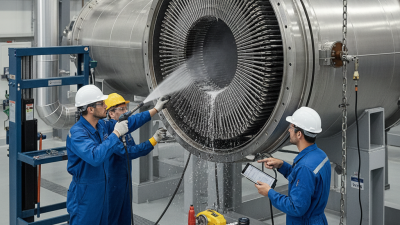
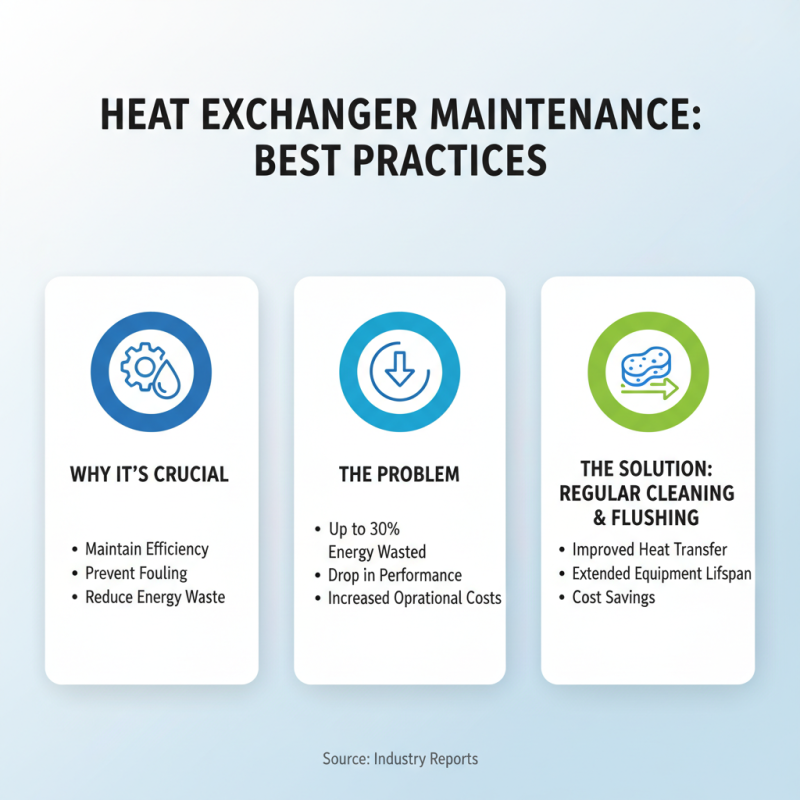
Cleaning and flushing heat exchangers is crucial for maintaining their efficiency. Regular maintenance helps prevent fouling, which can lead to a drop in性能. According to industry reports, up to 30% of energy can be wasted due to inadequate heat exchanger cleaning. This impacts not just performance but also operational costs.
Best practices recommend scheduled cleaning every 6 to 12 months, depending on the system. Use appropriate cleaning agents that match the type of fouling. For example, acidic solutions work well for scale deposits, while alkaline solutions can tackle oil-related fouling. A thorough flushing process can dislodge particles. Utilizing an ultrasonic cleaner can enhance the cleaning process significantly, especially in complex designs.
Inspection after every cleaning session is vital. It’s important to assess for signs of wear and tear. Ignoring these signs can lead to larger failures. Over time, even minor fouling can escalate. Neglecting these practices may result in reduced heat transfer rates. The balance between efficiency and cost is delicate. Regular maintenance can seem burdensome but offers a worthwhile return on investment.
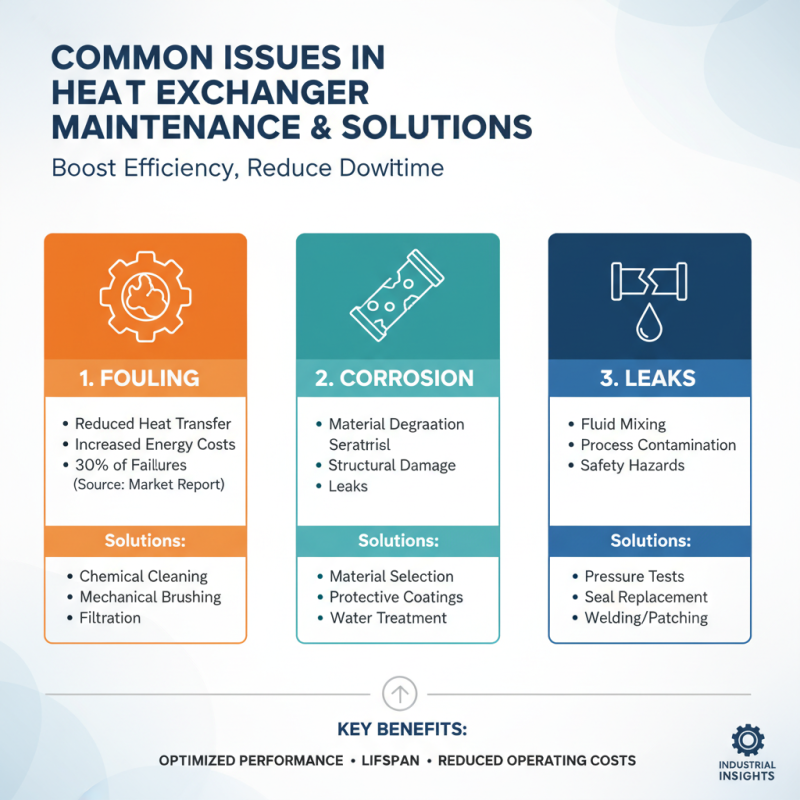
Heat exchangers are vital components in many industrial processes, but they often face maintenance challenges. Common issues include fouling, corrosion, and leaks. According to the Heat Exchanger Market report, around 30% of heat exchanger failures are attributed to fouling, leading to reduced efficiency and increased energy costs.
Fouling occurs when unwanted materials accumulate on heat transfer surfaces. This buildup can hinder heat transfer efficiency by up to 40%. Regular cleaning is essential to prevent this. Implementing a cleaning schedule can significantly mitigate these issues. Corrosion, another key factor, can occur in the presence of moisture and thermal stress, potentially reducing the lifespan of your equipment. The NACE International report highlights that corrosion costs the global economy nearly 3.4% of GDP annually, underscoring the importance of proactive measures.
Leaks are often detected too late, causing costly shutdowns. Regular inspections can help identify weak points early. New technologies, such as ultrasonic testing, are proving effective in detecting leaks before they escalate. However, reliance on technology should not overshadow the need for skilled maintenance personnel. Proper training and awareness among staff can lead to substantial improvements in heat exchanger reliability. Balancing technology and human expertise is crucial for long-term maintenance success.
Regular inspections and monitoring of heat exchangers play a crucial role in extending their lifespan. A study by the International Energy Agency indicates that improper maintenance can lead to efficiency losses of up to 20%. This is significant, especially given that heat exchangers are vital in various industries, including oil and gas, power generation, and chemical processing.
Inspections help identify potential issues early. For example, corrosion and fouling can drastically affect performance. In fact, the U.S. Department of Energy reports that neglecting regular monitoring can increase maintenance costs by 30% over time. Implementing a routine inspection schedule ensures that minor problems are addressed before they escalate.
Data from industry reports highlight that effective monitoring can enhance heat exchanger efficiency by 15%. However, it is often underestimated or overlooked. Many facilities lack the necessary protocols, contributing to unforeseen failures. This reveals a gap in industry practices that needs urgent attention. Regularly scheduled maintenance, combined with precise monitoring techniques, can help avoid costly emergencies.