Leave Your Message

7 Tips for Choosing a PHE Heat Exchanger

Selecting a Heat Exchanger Phe is not simply a matter of comparing surface area or purchase price. It is a thermal, mechanical, and operational decision. The International Energy Agency’s Energy Efficiency 2023 report identifies industry as one of the world’s largest energy-consuming sectors. Small efficiency gains can therefore reduce fuel use, operating costs, and avoidable emissions. The U.S. Department of Energy also treats process heating as a major industrial energy demand, reinforcing the value of careful heat-recovery design.

This introduction leads into seven practical tips for choosing the right unit. The discussion will examine heat duty, flow rate, temperature approach, allowable pressure drop, fluid chemistry, fouling risk, gasket compatibility, and maintenance access. A clear example is a food-processing line handling warm milk. Sanitary plates, smooth channels, suitable gasket materials, and reliable cleaning access matter as much as calculated performance. A compact frame is useful, but it becomes expensive if operators cannot open it quickly.

Professor Sadik Kakaç, a respected heat-transfer authority, has repeatedly stressed that heat-exchanger design involves balancing heat-transfer performance against pressure drop. That principle remains highly relevant to every Heat Exchanger Phe selection. Industry guidance from AHRI Standard 400 and manufacturer testing practices can improve confidence, but published ratings do not replace application data. Even experienced teams sometimes overlook seasonal flow changes or future capacity increases. That weakness deserves attention. The best choice is not always the smallest or cheapest unit. It is the exchanger that performs consistently, can be serviced safely, and still makes sense after years of real plant operation.
7 Tips for Choosing a PHE Heat Exchanger

Define the Heat Transfer Requirements

Before choosing a plate heat exchanger (PHE), define the heat transfer duty in measurable terms. Record hot and cold stream inlet temperatures, target outlet temperatures, mass flow rates, and operating hours. Calculate the required duty using Q = m × Cp × ΔT. Use actual fluid properties at operating temperatures, not room-temperature estimates. A five-degree error can change the required area and temperature approach significantly. Keep units consistent throughout the calculation.

Identify fluid composition, viscosity, solids, and fouling tendency. Clean water behaves differently from glycol, brine, oil, or particle-bearing process fluids. Note the allowable pressure drop on both sides. A design that transfers heat efficiently may still overload a pump. Check minimum and maximum flow, startup conditions, and seasonal changes. Transient loads matter. I have seen systems perform well during testing but struggle when production rates changed.

Define the closest temperature approach the process can accept. A tighter approach may reduce energy use, yet it often requires more surface area and careful cleaning access. Specify material compatibility, gasket limits, cleaning methods, and maintenance frequency. Include a safety margin, but do not hide uncertainty behind an oversized exchanger. Early field data may be incomplete. Mark assumptions clearly, verify them with measurements, and revisit the design after commissioning.
Match the Exchanger Type to the Application

7 Tips for Choosing a PHE Heat Exchanger

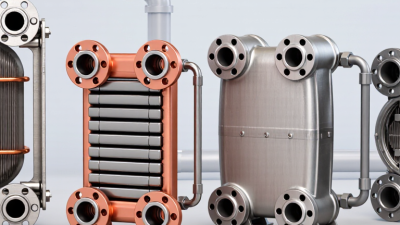
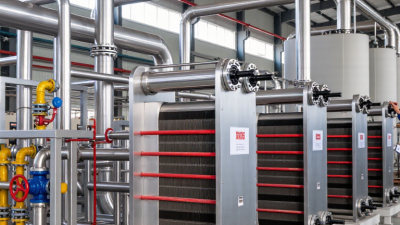
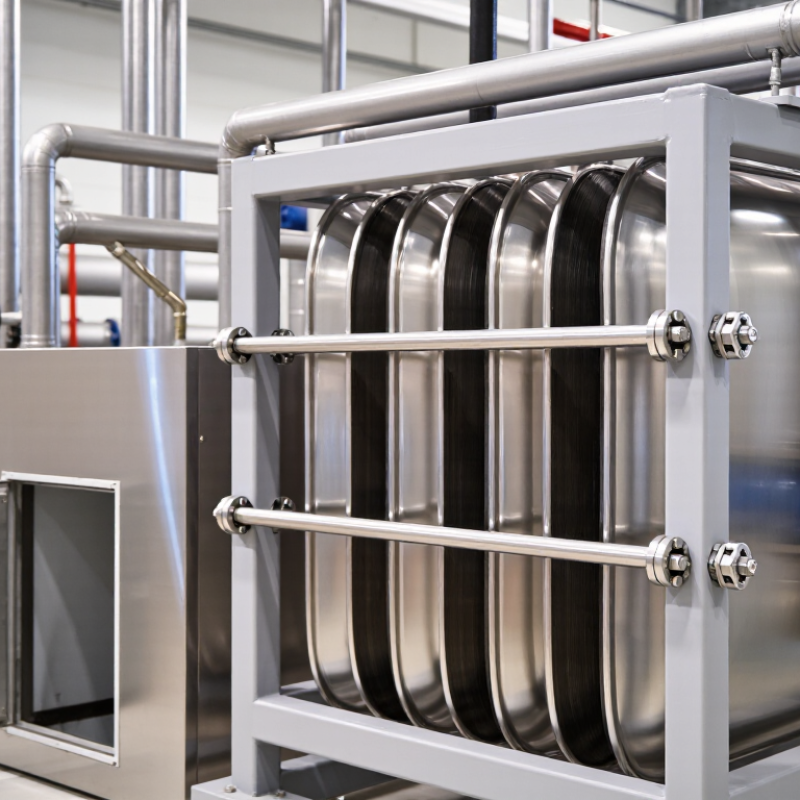
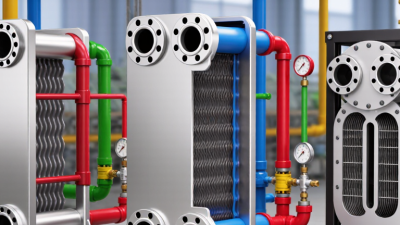
Match the exchanger type to the application, not just the required heat duty. A gasketed plate heat exchanger suits systems needing regular inspection or cleaning. Its plates can be opened, replaced, and rearranged during maintenance. This helps in food processing, district heating, and industrial water circuits. Leave enough service space around the frame. A cramped installation turns simple cleaning into costly downtime.

Brazed plate exchangers are compact and efficient for clean fluids. They work well in refrigeration, heat pumps, and small hydronic systems. However, they are not designed for easy internal access. Check fluid cleanliness, operating pressure, temperature, and material compatibility carefully. Small particles can create serious blockage risks. Keep it serviceable.

Welded or semi-welded designs fit demanding duties involving higher temperatures, pressures, or aggressive fluids. They reduce gasket exposure, but inspection and repair become more specialized. Confirm the design against corrosion data, thermal cycling, and pressure fluctuations. Field reviews often reveal an overlooked issue: the process fluid is clean during normal operation, but dirty during startup. That detail can change the best exchanger type. Plans change. A selection that looks perfect on paper may still need a bypass line, strainer, or larger service allowance. My own preference is to question the first selection twice.

Select Suitable Materials and Plate Design

7 Tips for Choosing a PHE Heat Exchanger

Select Suitable Materials and Plate Design

Material selection begins with the fluids, not the equipment catalogue. Record chloride concentration, pH, temperature, pressure, and cleaning chemicals. The IMPACT corrosion study estimated global corrosion costs at 3.4% of worldwide GDP. That figure makes material shortcuts difficult to defend. Stainless steel may suit clean water, while titanium or nickel alloys can better tolerate seawater and aggressive chemicals. Gasket compatibility matters too. A chemically resistant plate can still fail through gasket swelling.

Plate design controls heat transfer, pressure loss, and fouling risk. Higher chevron angles usually create stronger turbulence and better thermal performance. They also demand more pumping energy. Narrow channels improve compactness but can clog when suspended solids enter the circuit. Wider channels are safer for dirty fluids, although the exchanger may become larger. An engineering review should compare heat duty, allowable pressure drop, flow velocity, and cleaning access.

The International Energy Agency reported that industry consumed about 37% of global final energy in 2023. Even modest recovery improvements deserve attention.

In practical testing, I would inspect the first plates after commissioning, especially where chlorides or biological growth exist. Design software helps, but it cannot replace field evidence. A polished calculation may still miss seasonal fouling. That is the uncomfortable part. Allowing a conservative margin can prevent repeated shutdowns, but excessive margin may reduce efficiency and increase capital cost. Choose deliberately, then verify.

Check Pressure, Temperature, and Flow Limits

7 Tips for Choosing a PHE Heat Exchanger

Check Pressure, Temperature, and Flow Limits

When selecting a plate heat exchanger, pressure limits deserve more than a quick catalogue check. Start with the maximum working pressure on both circuits, not average plant pressure. Include pump shutoff pressure, surges, and cleaning pressure. A brief spike can deform plates or damage gaskets. Ask for pressure-test records and material details. This is where documentation matters.

Temperature checks should cover normal, startup, shutdown, and upset conditions. Compare fluid temperatures with the exchanger’s rated range and gasket compatibility. Hot water at 140°C may look acceptable, yet a chemical additive can change material performance. Leave a practical safety margin. Commissioning teams often find problems during transitions, not steady operation. That lesson is easy to overlook.

Flow limits require equal attention. Check minimum and maximum flow, pressure drop, and allowable velocity. Too little flow may cause poor heat transfer or local fouling. Too much flow can increase erosion and pumping costs. Confirm whether the stated capacity assumes clean surfaces and a specific fluid. It often does. For uncertain fluids, request a selection review using actual viscosity, density, solids, and seasonal temperatures. I would also recheck the calculation after installation; real piping rarely matches the drawing perfectly.

Compare Maintenance Needs, Efficiency, and Total Cost

7 Tips for Choosing a PHE Heat Exchanger

Compare Maintenance Needs, Efficiency, and Total Cost

A PHE should be judged by lifetime cost, not purchase price. Compare heat-transfer duty, pressure drop, cleaning access, gasket replacement, and spare-part availability. Ask suppliers to show performance at fouled conditions, not only laboratory conditions. A polished spreadsheet can still be wrong.

The IEA’s Energy Efficiency 2023 report recorded a 2.2% improvement in global energy intensity during 2022. That figure shows why small thermal losses deserve attention. For a plant, a 100 kW efficiency difference operating 4,000 hours annually equals 400,000 kWh. At $0.10 per kWh, that represents $40,000 each year. The calculation is simple. Real operation is not.

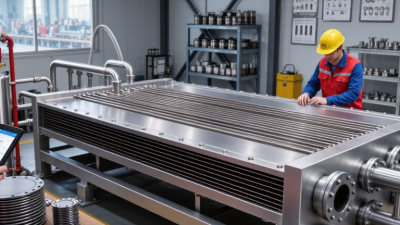
Maintenance changes the total cost quickly. Wider channels may reduce clogging, while more plates can lower the required approach temperature. However, extra plates also increase purchase cost and cleaning surface area. Check whether operators can isolate, open, and inspect the unit safely. Review water quality, suspended solids, cleaning frequency, and gasket life. ASHRAE guidance emphasizes accurate fouling assumptions during heat-exchanger selection; optimistic assumptions often create disappointing field performance. I have seen designs fail because pressure drop was treated as a minor detail. It was not. Choose the unit that remains efficient after dirt, aging, and imperfect maintenance—not just on day one.